
When Appearance Misleads - Understanding Modern Dog Treats
A fleeting glimpse of a pale, twisted chew in a dog’s mouth can trigger instant reactions online.
“Dangerous.” “Don’t give that.” “That’s rawhide.”
Sometimes those warnings are justified. Often, they are not.
What’s happening here is less about one specific treat and more about a broader issue: visual confusion being mistaken for certainty. We see this a lot sadly.
The Look-Alike Problem
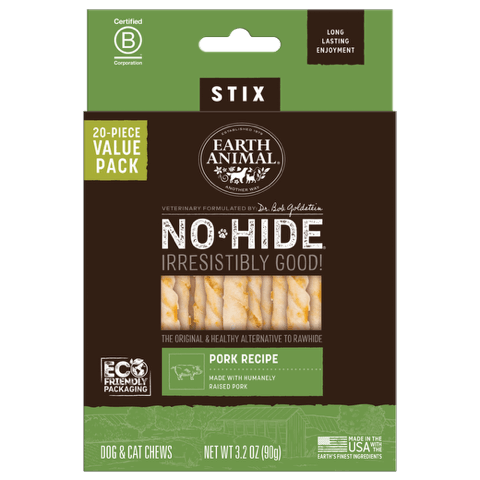
Many dog chews are designed to look similar. A light-coloured, twisted stick is commonly assumed to be rawhide because that shape has been around for years. But modern pet products have evolved.
Today, you’ll find chews that:
Mimic the shape and colour of traditional rawhide
Are made from food-based, digestible ingredients
Are produced to give a similar chewing experience without using hide
To the eye, they can appear almost identical especially when viewed very quickly.
What Actually Differentiates Them
The differences are not always obvious at a glance, but they are there.
Traditional rawhide:
Made from animal hide
Often shows fibrous layers
Can appear uneven or glossy when chewed
Processed, food-based twist sticks:
Made from meat, starch, or vegetable blends
Have a uniform colour throughout
Show a consistent, manufactured twist
Tend to have a smoother, more even texture
These characteristics matter far more than appearance alone.
Why People Get It Wrong
The confusion comes from a simple place. People recognise a familiar shape and apply what they already know. That’s human nature.
But in animal care, assumptions can quickly turn into misinformation, especially when they’re shared publicly as fact.
The Risk of Quick Conclusions
When a product is labelled dangerous without context or confirmation, it can:
Create unnecessary concern
Spread inaccurate information
Distract from real welfare issues that need attention
Not every chew is safe. But not every pale, twisted stick is a problem either.
A Better Way to Assess
Instead of relying on appearance alone, consider:
What is it made from?
Is it designed to be digestible?
Is the dog supervised while chewing?
Is it appropriate for that individual dog?
These questions provide far more useful answers than a split second visual judgement.
A Wider Issue in Animal Welfare
This isn’t just about treats. It reflects a broader pattern:
More people are engaged in animal welfare than ever before, which is positive.
But engagement without clarity can lead to confident but incorrect conclusions.
And those conclusions can travel fast.
The Bottom Line
Not everything that looks like rawhide is rawhide. Many modern dog treats are deliberately designed to resemble older products while being made from completely different, digestible ingredients.
Understanding that distinction is key.
Final Thought
Caring about animals is important. But in a space where information spreads quickly, accuracy matters just as much as intention.
Taking a moment to look beyond appearances can make all the difference. You can’t identify a product from a fleeting moment alone.
And when that simple point is overlooked, misinformation fills the gap & misinformation is dangerous.
In animal welfare, accuracy is not optional. It is the foundation of everything. We pride ourselves on that fact.


