


In Turkey, even kindness can sometimes spark controversy.
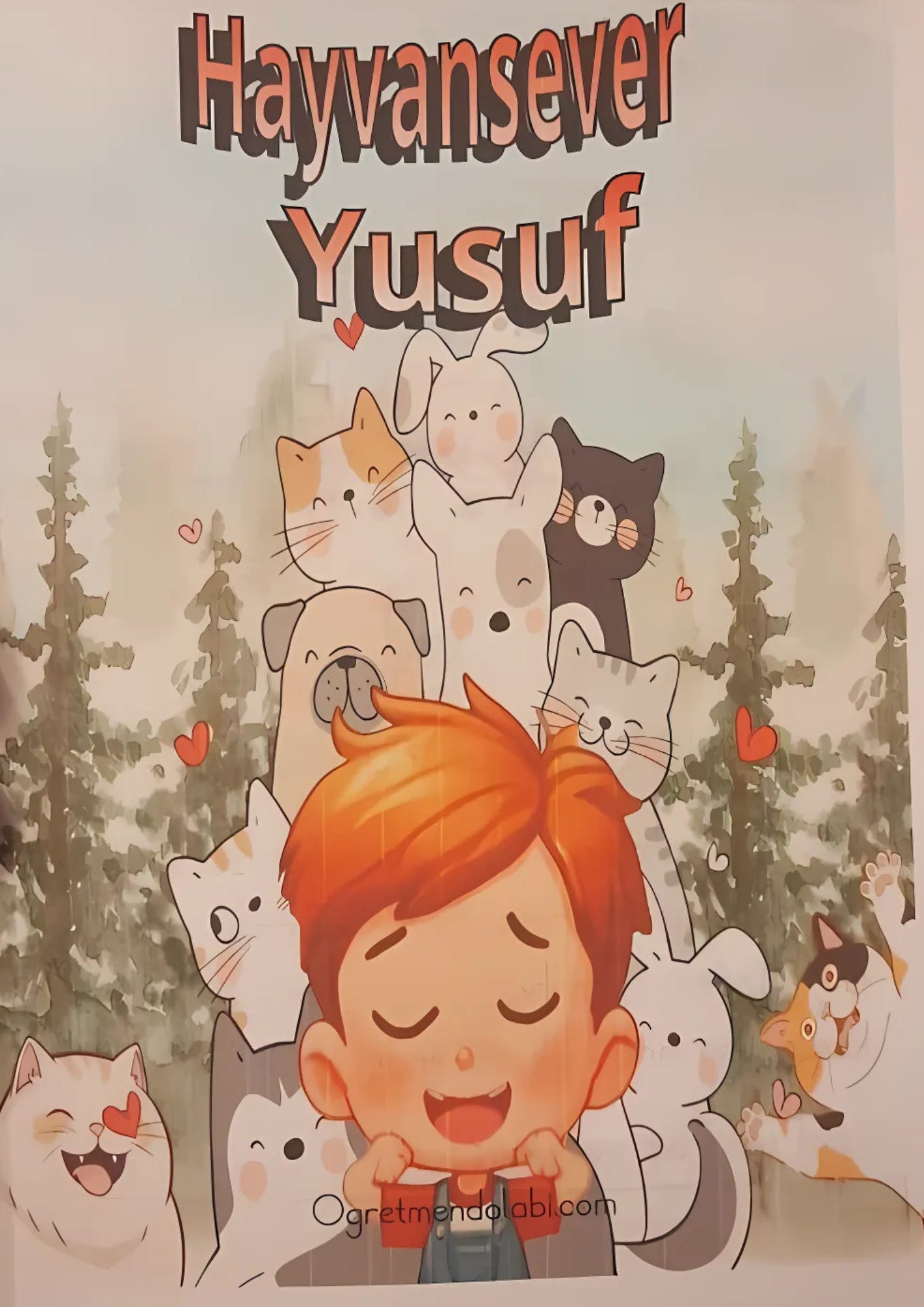
The latest target is Hayvansever Yusuf (“Animal Lover Yusuf”), a children’s book about a boy who learns to care for stray animals. What should have been an innocent story of compassion has drawn criticism from a small but vocal group on social media, who are calling for it to be banned.
While their numbers are limited, their rhetoric echoes a long and troubling history, one where empathy itself is treated as subversive.
A Small Backlash, a Familiar Tone
The online posts began shortly after the books publication
“This book Hayvansever Yusuf is brainwashing our kids into thinking stray dogs are more important than humans,” wrote one user. “It’s time to ban it before it turns our youth into animal worshippers.”
Another complained: “Schools are handing out Hayvansever Yusuf like it’s a holy text. It teaches kids to feed strays, which goes against the new laws and public safety.”
A third post went further: “Another day, another attack by a stray dog. And they’re teaching kids with Hayvansever Yusuf to love these beasts? Ban it immediately, our children’s safety comes first.”
Though the outcry represents only a fraction of public opinion, it taps into the same cultural anxieties that have surfaced before: the idea that compassion toward animals somehow threatens social order, public safety, or religious values.
The Crime of Empathy
At the heart of Hayvansever Yusuf is a simple message, one that has guided Turkish storytelling for generations: that mercy toward all living beings is a virtue.
Yet in the current political climate, where feeding or sheltering strays has been restricted under the 2025 stray animal regulations, even a child’s act of kindness can be painted as rebellion.
By framing empathy as dangerous, these critics redefine morality itself. They cast love as weakness, and compassion as defiance.
Ironically, this argument stands in stark contrast to Islamic teachings. The Qur’an reminds believers that “there is no moving creature on earth but its sustenance depends on Allah,” while the Prophet Muhammad praised mercy to all creatures as a mark of faith.
Defending the Book and the Value of Care
Many educators, parents, and animal advocates have stepped forward to defend Hayvansever Yusuf and its message.
“Calling to ban Hayvansever Yusuf is an attack on our children’s hearts! This book teaches them to love Allah’s creatures, just like the Prophet cared for animals,” wrote one supporter.
“Banning Hayvansever Yusuf won’t stop stray attacks education will! This book teaches empathy, not law-breaking,” said another.
Turkey’s leading animal rights federation, HAYTAP, also weighed in:
“Banning this book is banning hope. It shows children that peace between humans and animals is possible.”
A Long Shadow of Censorship
Censorship in Turkey has always worn the mask of protection, protecting morals, protecting youth, protecting the state. But what it truly protects is fear.
Fear of independent thought.
Fear of tenderness.
Fear of hearts that refuse to harden.
Books that teach empathy have always been among the first to burn, because empathy makes obedience harder. A child who learns to see a stray dog as a being worthy of care may one day question cruelty in any form.
That, ultimately, is what the campaign against Hayvansever Yusuf is about, not dogs, not safety, not religion, but the suppression of conscience.
Why This Matters
The drive to ban Hayvansever Yusuf is a warning. When societies begin to outlaw empathy, they do not stop at animals. The same logic that forbids kindness to dogs soon finds reasons to forbid kindness to people.
The story of Yusuf was meant to teach children that compassion is courage. If that lesson is banned, then what kind of future are we building for them?
Conclusion
Turkey has been here before. Every time a book that teaches empathy is silenced, a little more of our shared humanity is lost.
Hayvansever Yusuf may be only a story—but the fight over it reveals a truth far larger: that the most radical act in times of cruelty is still, simply, to care.