


When the Presence of a Dog Becomes a Problem
Across towns and cities in Turkey, a subtle but significant shift is taking place. The way street dogs are described in public discourse is changing. What was once a familiar part of daily life is increasingly framed as a disturbance, a risk, or something that must be controlled.
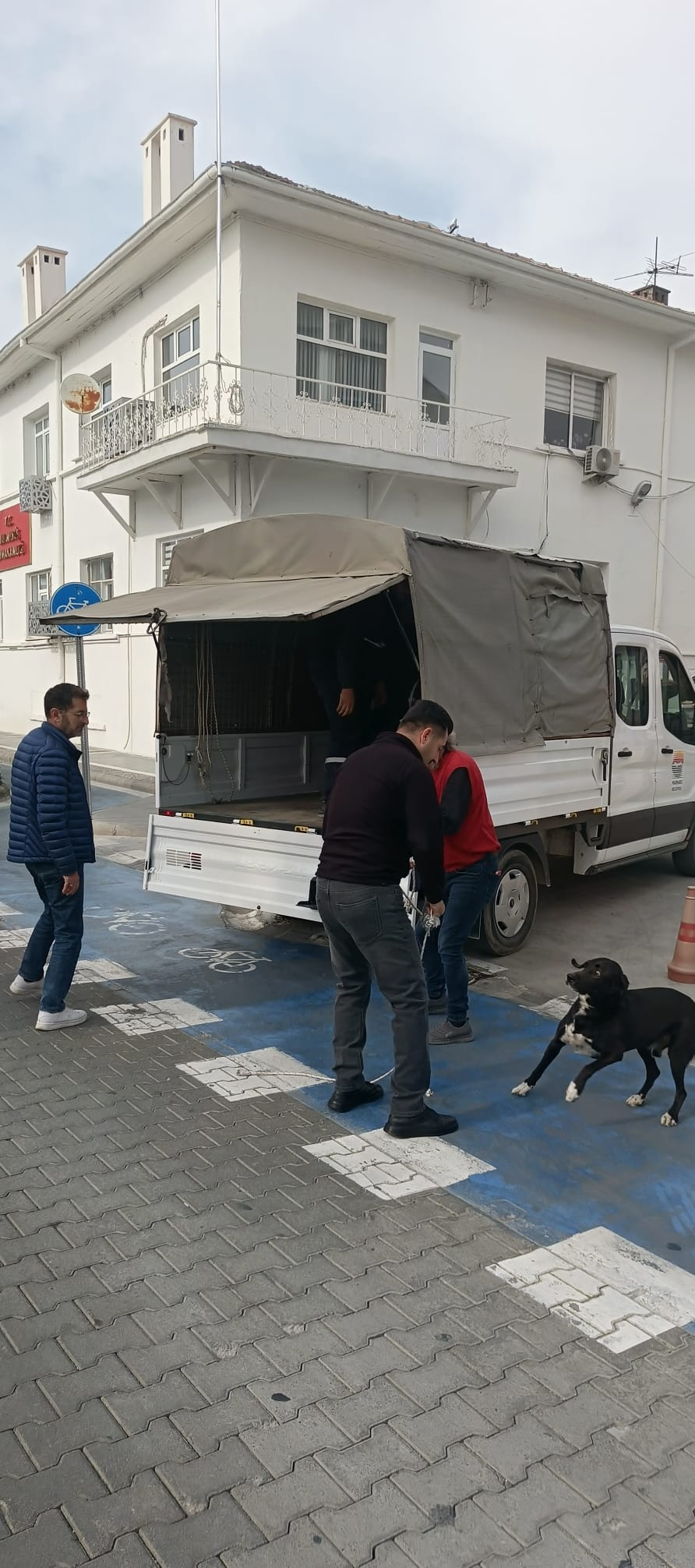
Recently, a small incident illustrates this transformation. Two dogs were reportedly moving freely in a public harbour area. Their presence was described as uncontrolled, and municipal teams were mobilised following reports from citizens. The dogs were captured and taken to a municipal animal facility under administrative procedures related to animal control.
At first glance, this may seem like a routine event. But language matters. And the language used in such situations reveals something deeper about how society is beginning to perceive the dogs that have shared its streets for centuries.
A Country Where Dogs Belonged
Turkey’s relationship with street dogs is not new, and it has never been accidental.
For centuries, dogs have lived openly in Turkish cities. Travellers to the Ottoman Empire wrote about them with fascination. In Istanbul, they slept beside shop doors, followed market traders through the streets, and formed loose neighbourhood communities. They were not owned in the modern sense, but they were fed, recognised, and tolerated.
These dogs occupied a unique social space.
They were not wild animals.
They were not pets.
They were part of the urban fabric.
Ottoman society accepted them as guardians of streets and companions of neighbourhoods. Foreign observers from the 18th and 19th centuries often remarked on how peacefully humans and dogs coexisted in the city.
Even when the Ottoman authorities once attempted to remove the dogs from Istanbul in the early 1900s, public outrage followed. Many citizens believed the animals had a rightful place in the city.
For generations, this understanding endured.
The Quiet Reframing
What is changing today is not simply policy it is narrative.
The modern framing often begins with a few specific words:
uncontrolled
stray
roaming
reported by citizens
When these words appear together, they subtly transform the dog’s presence into a problem that requires intervention.
The dog is no longer a neighbour.
It becomes an incident.
In the recent case, the dogs were described primarily through their lack of restraint and control. The central issue was not their condition, behaviour, or welfare. The focus was simply that they existed in a public place without human supervision.
In other words, their presence itself triggered a response.
When Did Presence Become a Crime?
For hundreds of years, dogs moved freely through Turkish streets.
No leash.
No owner.
No report filed.
The idea that a dog walking through a harbour area is an administrative issue would have been strange to earlier generations. Communities understood that these dogs belonged to the streets themselves.
So the question must be asked:
Why is this suddenly being framed as a problem?
The dogs did not change.
What changed is the system around them.
A New Climate Around Street Dogs
Over the past few years, several forces have converged to reshape public attitudes toward street animals:
1. Political Narratives
Street dogs are increasingly discussed in the context of public safety and municipal management rather than community life.
2. Administrative Pressure on Municipalities
Local authorities are now expected to show visible “action” on street dog populations.
3. Media Framing
Small incidents involving dogs are often reported using language that implies disorder or risk.
4. Organised Anti-Dog Campaigns
In online spaces especially, coordinated narratives portray street dogs as dangerous or incompatible with modern urban life.
When these influences combine, even ordinary scenes two dogs walking through a harbour become framed as something that requires intervention.
The Dogs Did Not Arrive Yesterday
What is often missing from these discussions is historical context.
Street dogs are not an anomaly in Turkey.
They are one of the longest-standing features of its cities.
From Istanbul to small coastal towns, dogs have lived alongside people for centuries. They have survived empire, republic, wars, earthquakes, and rapid urbanisation.
Through all of this, they remained part of everyday life.
Until recently, their presence was not considered abnormal.
A Turning Point in Narrative
The real change we are witnessing is not about two dogs.
It is about perception.
When dogs are described primarily as uncontrolled elements in a public space, the groundwork is laid for a broader shift:
from coexistence → to management
from neighbourhood animals → to municipal problems
from living beings → to administrative cases
This is how public attitudes slowly move.
Not with dramatic declarations.
But with small moments repeated over and over until they feel normal.
The Question That Remains
Turkey’s long history with street dogs shows that coexistence is possible. It has been practised for centuries.
So the question now is not whether dogs belong to the streets.
History has already answered that.
The real question is this:
Who benefits from redefining their presence as a problem?
Because the dogs have not changed.
Only the story about them has.