



Across social media, a pattern has emerged. A dog is seen at the roadside. Cowering. Motionless. Terrified.
A person approaches. The dog does not run. It is lifted, quickly and cleanly.
Then comes the transition:
Bath. Towel. Cuddling. Relief.
The structure is almost identical, video after video. And increasingly, people are asking the question:
Are these rescues real?
What Real Rescue Actually Looks Like
Real situations rarely unfold in such a controlled way.
More often:
Dogs run before you get close
They hide, bolt, or escalate
Traffic creates immediate risk
The environment is unpredictable
And crucially filming is the last thing on your mind. It is not a production. It’s a race to save an animals life in highly dangerous situation. Which requires all hands to the wheel to get the dog to safety.
The Question of Timing
There is also the question of timing.
Being in the exact place at the exact moment something like this happens is not impossible, after all members of the public will call rescuers they know are working in the area. But to not only witness it, but to already be filming, to capture the entire sequence from approach to abandonment to escape, without hesitation or disruption, pushes that probability even further.
We have seen a video of a cat being dumped where the whole act is recorded cleanly, from start to finish. The person arrives, discards the animal, and runs fully in frame.
What are the odds of that happening by chance? I want to stress that it is not impossible but akin to a lottery win regards chance.
Not zero. But low enough to justify scrutiny, especially when similar perfectly captured moments appear again and again across different accounts.
The Format Problem
What we are seeing online is not just rescue. It is a format.
A repeatable structure that maximises:
Emotional impact
Viewer retention
Shareability
That does not automatically mean deception. But it does introduce pressure. Because once a format performs well, it gets copied.
Three Possibilities
There are realistically three explanations for these videos:
1. Genuine Rescue, Selectively Filmed
Some are real. A rescuer encounters a dog, records part of the process, and edits it into a narrative.
What you see is not the full reality only the part that fits the format.
2. Replication of Viral Conditions
Others may not be staged, but they are influenced. People begin to recognise what works:
A still, non-fleeing dog
A clear, unobstructed approach
A clean before-and-after arc
Over time, behaviour shifts. Situations are not necessarily created but they are selected.
3. Staged or Manipulated Scenarios
And then there is the possibility people do not want to confront. That some situations are:
Arranged
Recreated
Or worse, induced
A dog placed in a vulnerable position to produce a rescue moment. There is no reliable way to verify this from a video alone. But the repetition of identical formats raises legitimate concern.
The Welfare Question
This is where the issue becomes serious. Because even if intention is awareness, the method matters.
If a dog is:
Placed in danger
Left longer than necessary
Or handled for the sake of filming
Then the rescue becomes part of the harm.
Why People Struggle to Tell the Difference
Social media removes context. You see:
A beginning
A middle
An end
What you do not see:
How long the animal was there
Whether intervention was delayed
What happened before filming began
Without that, authenticity becomes almost impossible to judge.
The Red Flags
Not proof but patterns worth questioning:
The dog does not attempt to flee
The camera is perfectly positioned before the approach
The sequence repeats across multiple accounts
The rescue appears unusually easy
What Gets Lost
When rescue becomes content, something shifts. The focus moves from:
How do we help this animal?
to
How do we capture this moment?
That shift is subtle. But it matters.
A Final Point
There is a reason real rescue rarely looks cinematic. Because urgency is not aesthetic.
Fear is not cooperative. And survival does not wait for a camera angle.
And somewhere, without a camera, the same thing is happening unseen.
This is Freddie Albert William, a roadside rescue. Very afraid but also incredibly hungry, food stopped him from bolting. This was quickly & cautiously filmed as soon as the food hit the ground while a slip lead was waiting for the exact moment to be used.
The actual rescue moment was not filmed, it needs to be fast & precise, a tense moment that does not lend itself to filming.
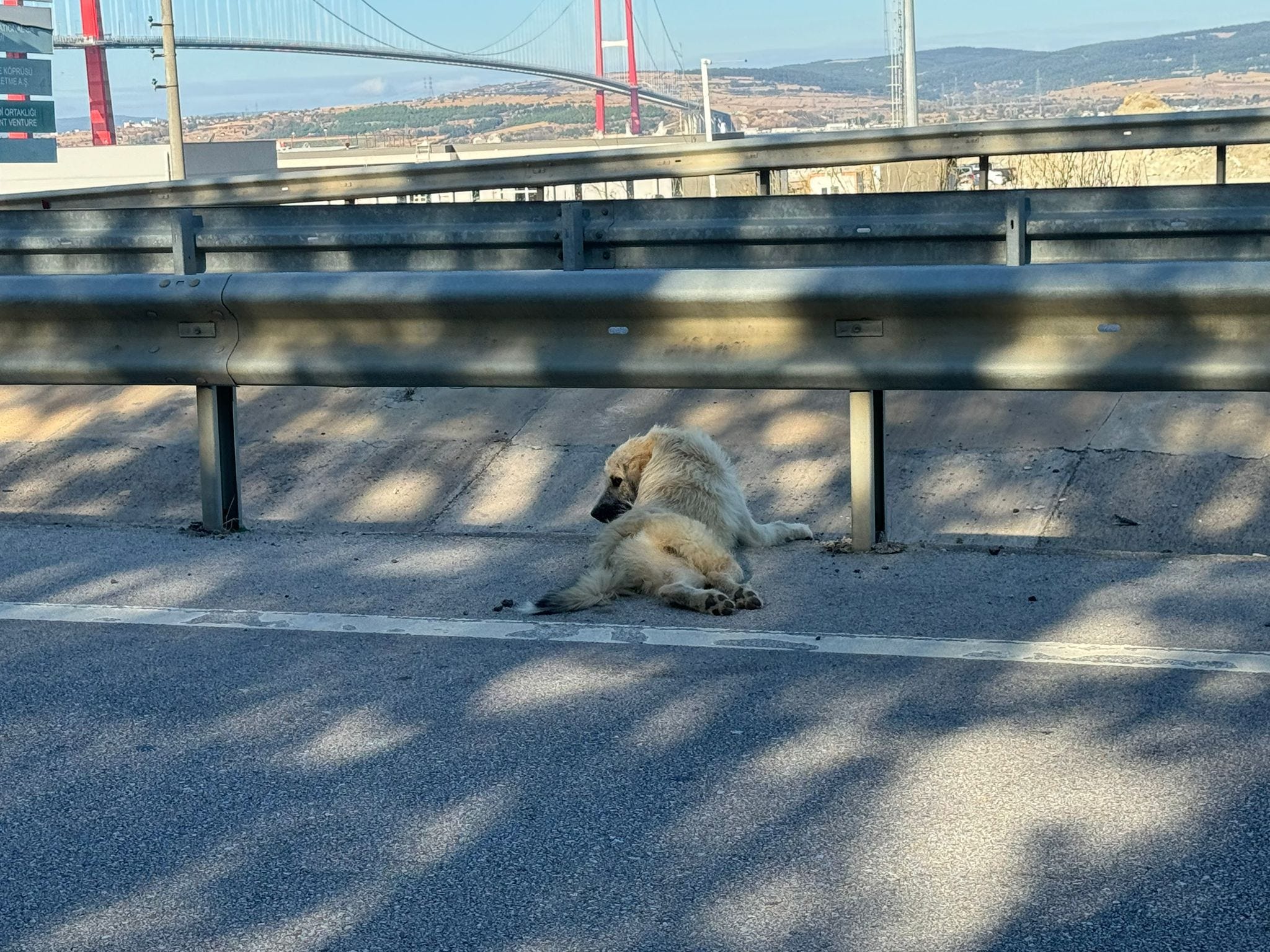
Another road rescue, this is Rolly a dog hit by a truck & left with a severed spine. He was immobile so not a flight risk but it was still a tense moment.
This is the only media we have of his rescue. A quick snap as his rescuers approached. They were concerned with navigating traffic safely while the stretchered him in to the ambulance. Again a very tense patient focused moment.
Editorial note:
We are not claiming that all rescue videos are staged or that those involved act in bad faith. Most rescues are real and lifesaving. This piece examines patterns in widely shared content and the questions those patterns raise for animal welfare.