


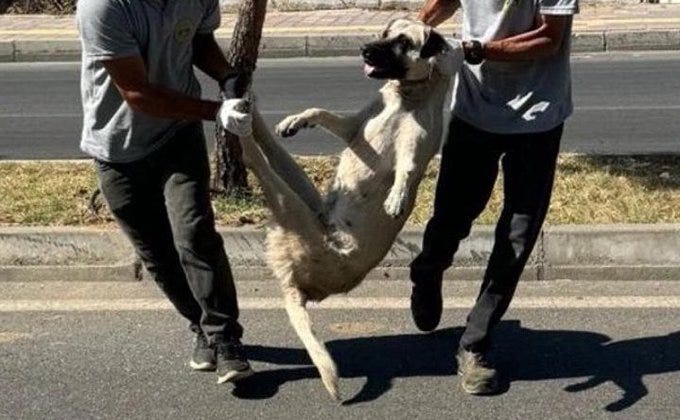
Not all violence comes with a weapon. Sometimes, it comes with a headline.
Across Turkey, dogs are under attack by something insidious and powerful: the media.
Every day, we see stories that twist the truth, exaggerate danger, and vilify our most loyal companions. They tell us dogs are monsters. That the streets aren’t safe. That these animals don’t belong.
But we know better.
Manufactured Fear: How Stories Become Strategy
For generations, stray dogs have lived among people in Turkey — sleeping in parks, resting outside shops, walking with children to school. They are part of the neighbourhoods, part of Turkish lives.
But recently, the media has turned on them.
What began as isolated reports of incidents — often misunderstood or misreported — has become a flood of fear-based storytelling. Headlines scream about “attacks” and “dog terror,” with little context and less compassion. And the more the public reads, the more they begin to believe.
These aren’t just stories. This is psychological conditioning.
And it’s working.
The Real Agenda: Control Through Fear
Why would anyone want to stir up hatred for dogs?
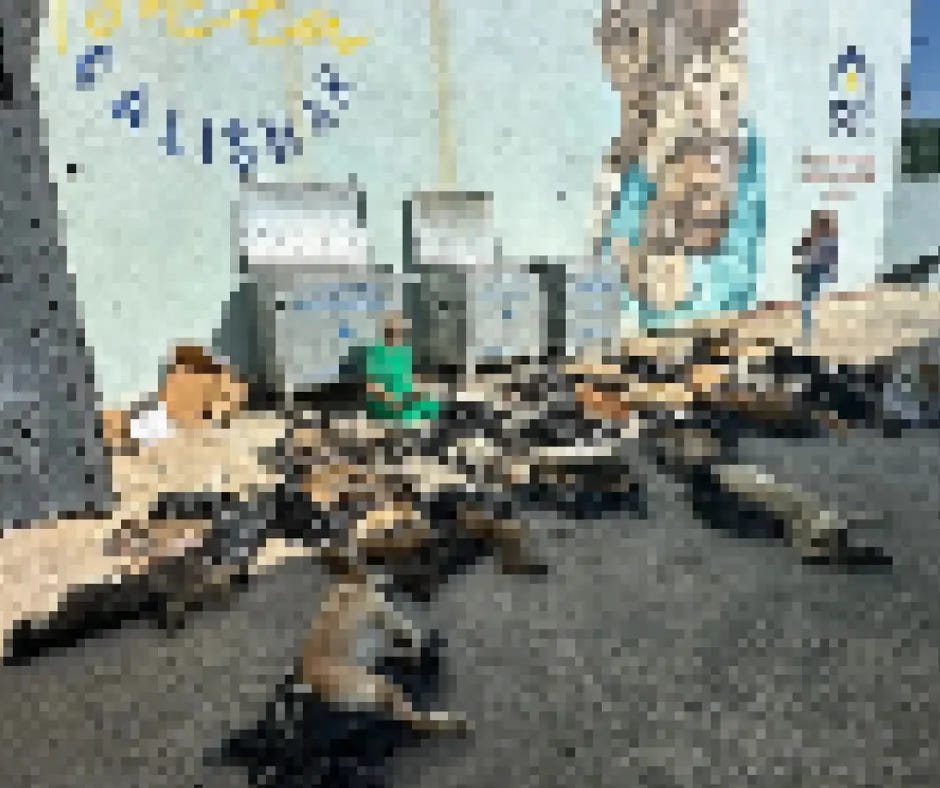
Because fear is powerful. And when fear spreads, it paves the way for action — not the kind that protects people or dogs, but the kind that silences and erases. Mass roundups. Poisonings. Silent disappearances.
In 2019, animal welfare groups noticed a chilling pattern: sensationalist dog stories dominated the news in the lead-up to proposed legislative changes. Stories that didn’t reflect reality but succeeded in one thing — making dogs the enemy.
What followed? Brutality disguised as public safety.
Cultural Baggage, Modern Consequences
It’s not just the media. It’s the language. The history. In Turkish culture, the word “dog” has often been used as an insult, a slur. Wolves are heroes. Dogs are lowly.
That stigma still lives in the way we talk about dogs today. And the media plays on it — sometimes subtly, sometimes not — to fuel fear, reinforce prejudice, and strip away empathy.
The result? When dogs are hurt, too many people look away. Or worse, they cheer.
How Propaganda Works — And Why It’s Deadly
Here’s how this vicious cycle operates:
A story breaks about a dog “attack” — sometimes real, often exaggerated.
Fear spreads through dramatic headlines and viral posts.
People demand action.
Authorities respond — not with compassion, but with cruelty.
And dogs suffer. Again and again. Quietly. Tragically. Unnecessarily.
Who Speaks for Them?
A stray dog cannot defend themselves in the press. They cannot hold a press conference. They cannot say, “I was scared. I was hungry. I was only protecting myself.”
They just vanish.
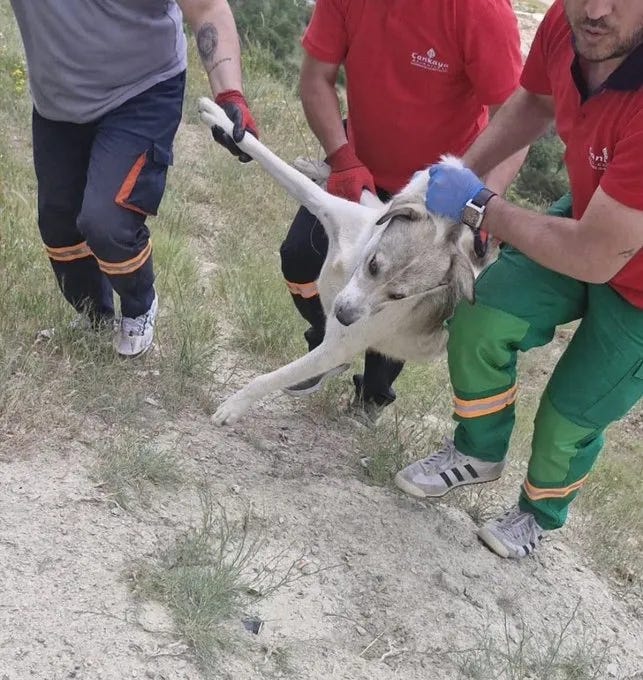
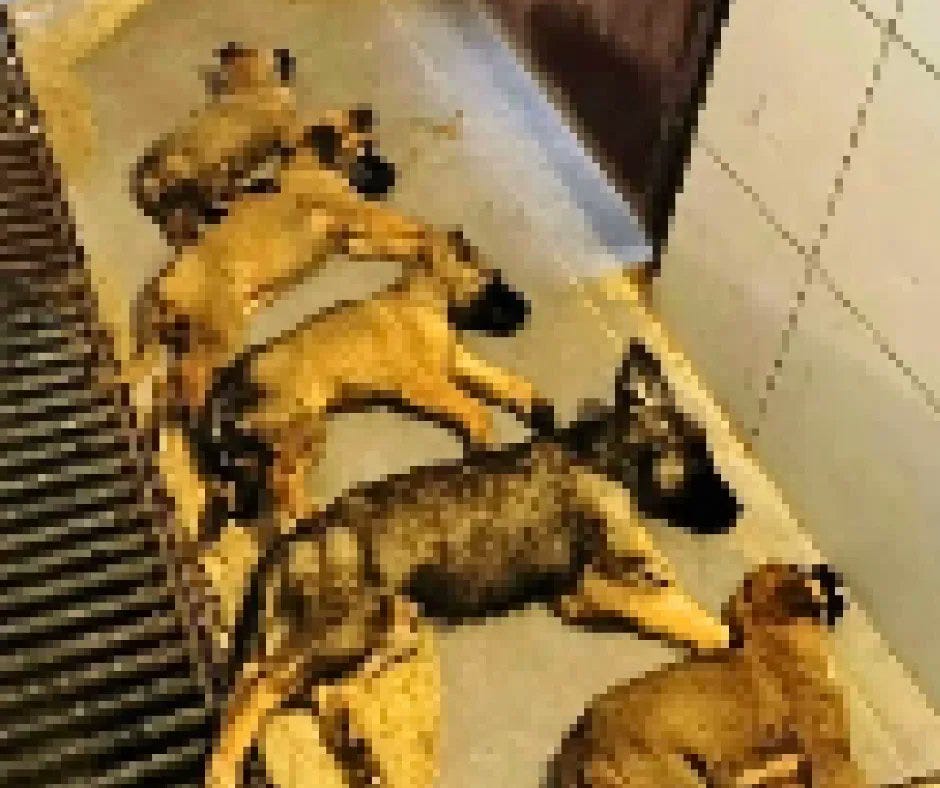
Some are taken. Some are killed. Some are dumped in forests, far from food and water. Some are poisoned where they sleep.
They don’t make the news when it happens. There are no headlines for them.
Only silence.
What Can We Do?
We can speak the truth — loudly and often. We can share real stories of street dogs who are gentle, loyal, loving. We can demand that the media stop using fear as a weapon.
We can:
💬 Question the stories we read — and who benefits from them
🐾 Support animal rescue and rehoming efforts
📣 Challenge misleading coverage, and call for accurate reporting
❤️ Teach our children compassion over cruelty
This Is About More Than Dogs
It’s about who we are as a society. Are we people who destroy what we don’t understand? Or are we people who care for the vulnerable, even when it’s hard?
When we abuse animals, we lose a part of our humanity.
Let’s not allow the media to tell us who to fear. Let’s write a different story — one of compassion, courage, and community.
Let’s protect them. Because they would protect us.
Join Our Campaign
Help us challenge anti-dog narratives & fight for the voiceless.
Follow share & like on our socials & donate if you can at Dog Desk Animal Action & be part of the fight for change