

When Help Hurts: The Dangers of Poor Handling in Hit-and-Run Dog Accidents

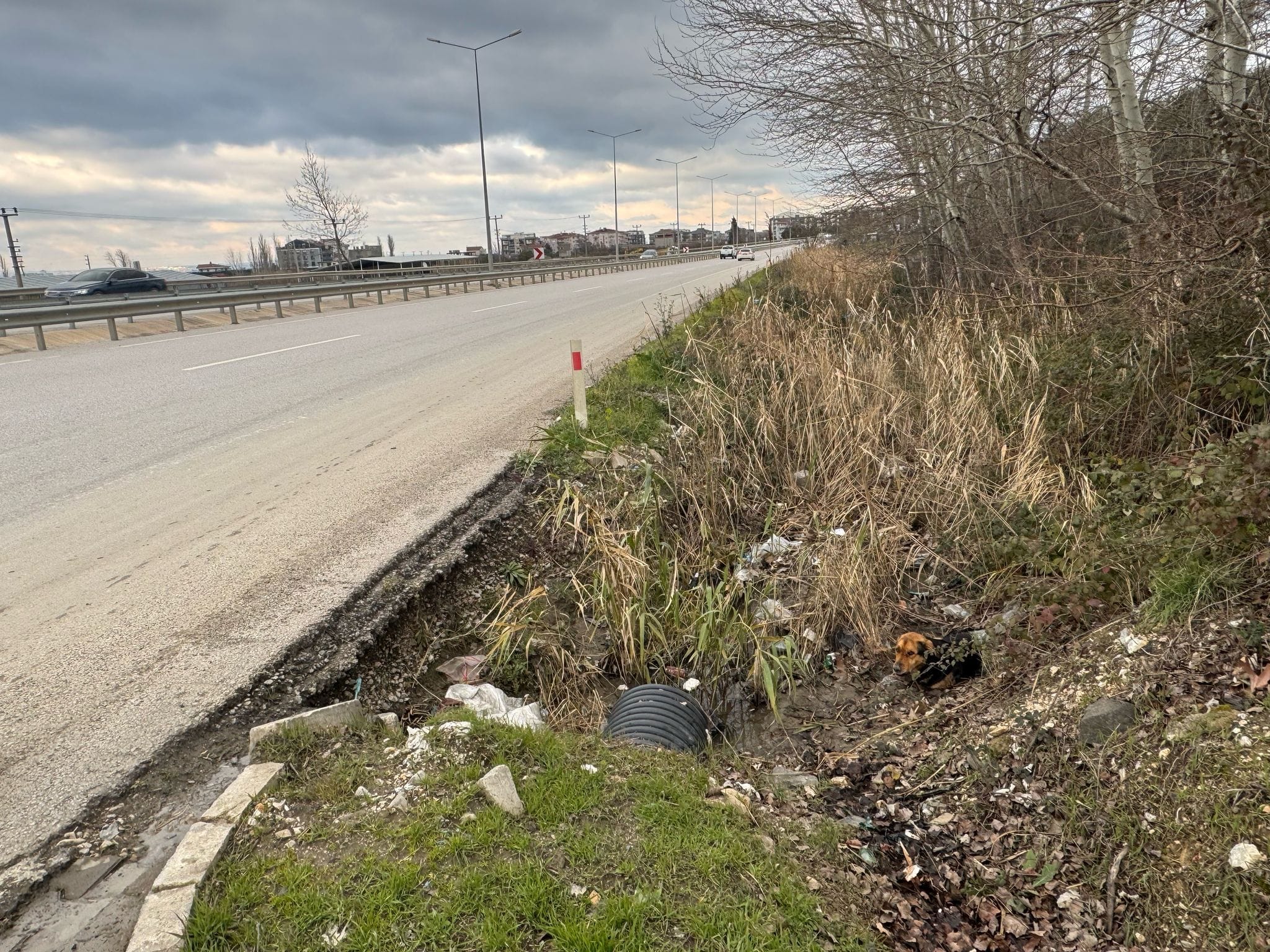
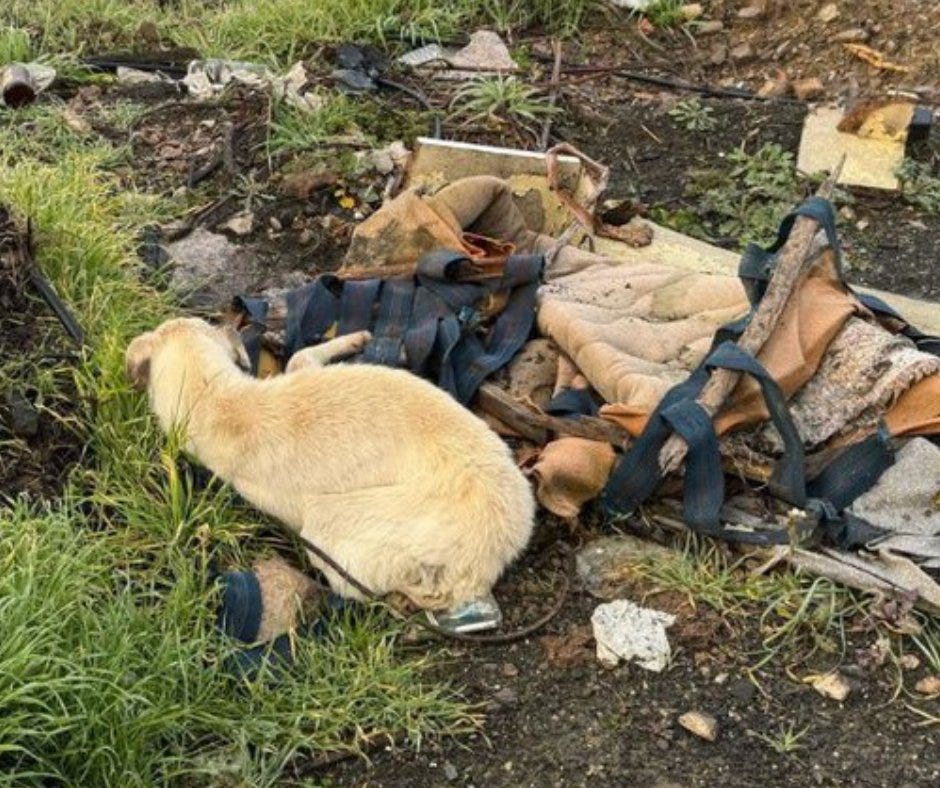
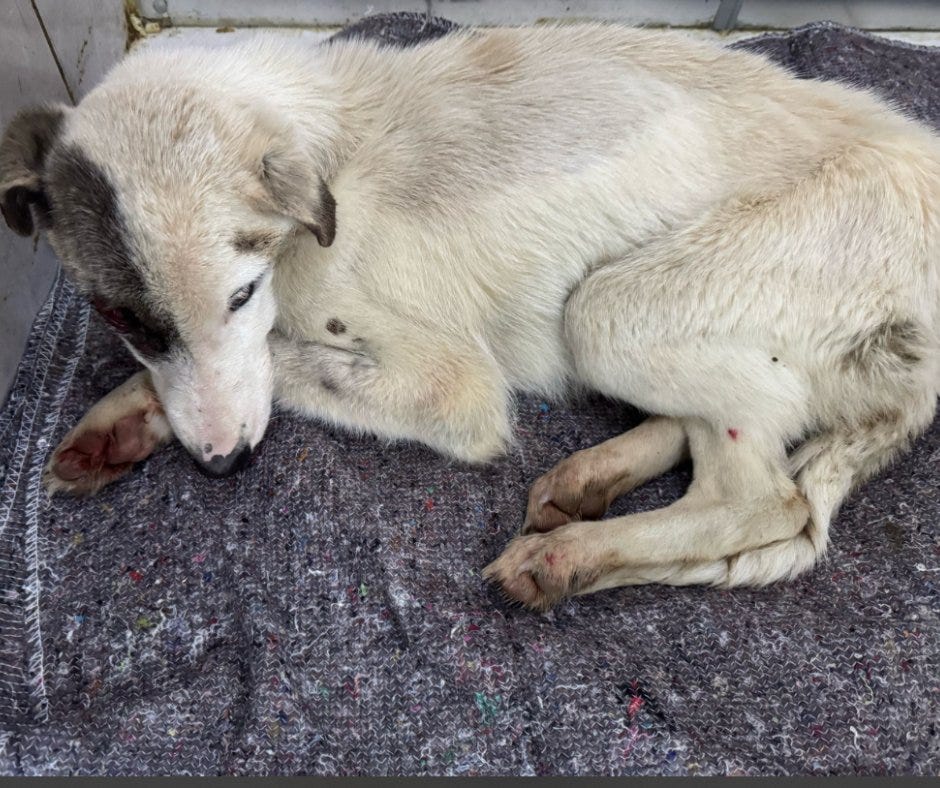
When a dog is struck by a vehicle and the driver doesn’t stop, the results can be devastating—both physically and emotionally. These hit-and-run incidents often leave the injured animal in critical condition, suffering from suspected broken bones, internal trauma, or even spinal injuries. While our instincts may push us to act immediately, the way we handle a wounded dog in those crucial moments can mean the difference between recovery and further harm.
Sadly, unqualified handling—even when well-intentioned—can worsen a dog’s injuries significantly.
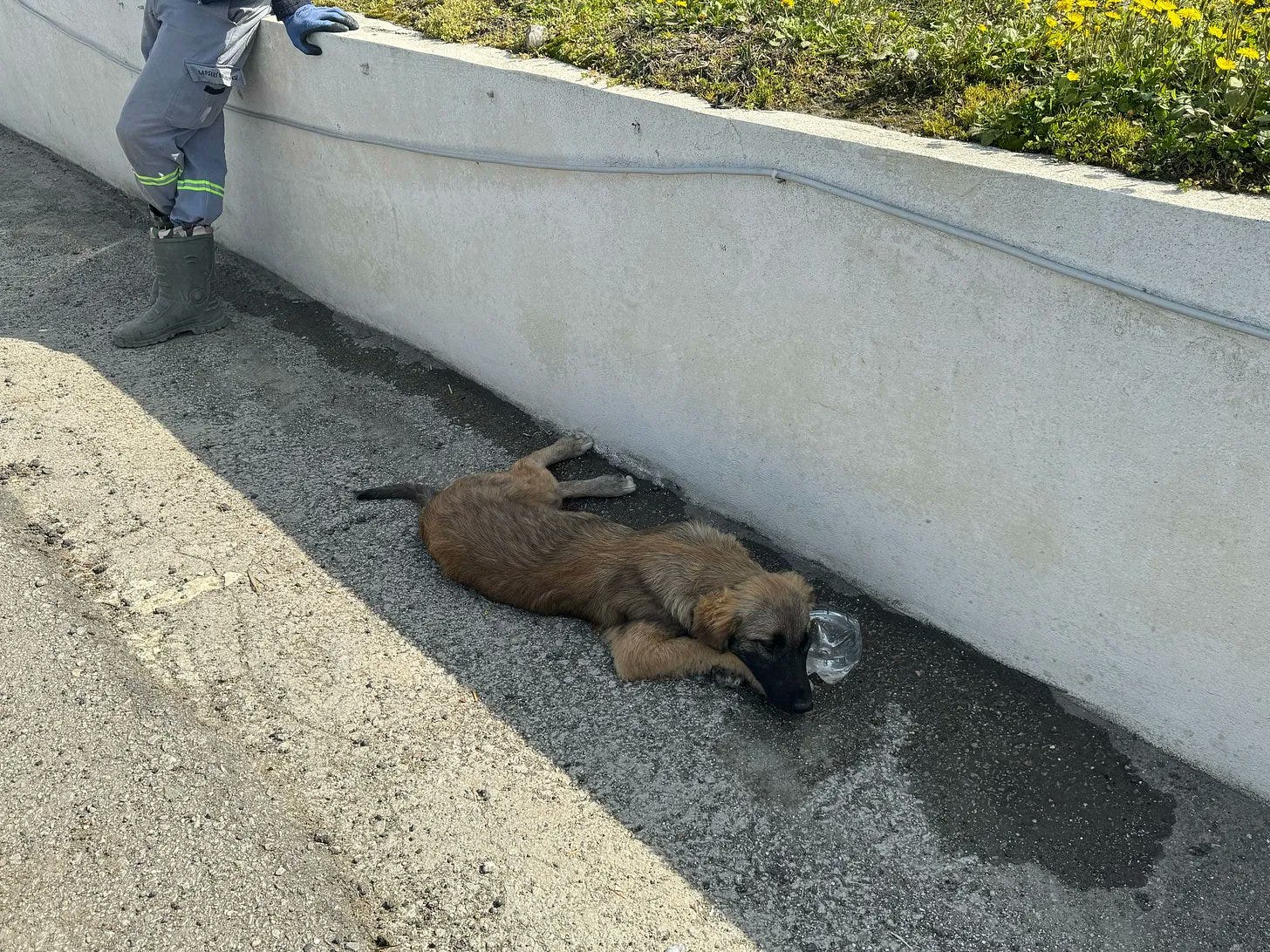
Why Proper Handling Matters
Dogs involved in road traffic accidents often suffer from complex injuries, including:
Fractured limbs or pelvis
Spinal trauma
Internal bleeding or organ damage
Head injuries
These injuries require expert assessment by a veterinarian or a other suitably qualified medically trained person and careful handling to avoid aggravating the damage. Unfortunately, when someone without proper training attempts to move or “rescue” the dog, they can unintentionally cause:
Increased displacement of fractures, making surgical repair more complicated or impossible
Nerve damage from improper lifting techniques
Shock or cardiac arrest, especially if the animal is moved roughly or in the wrong position
Delayed treatment, as mishandling can mask symptoms or lead to incorrect first aid attempts
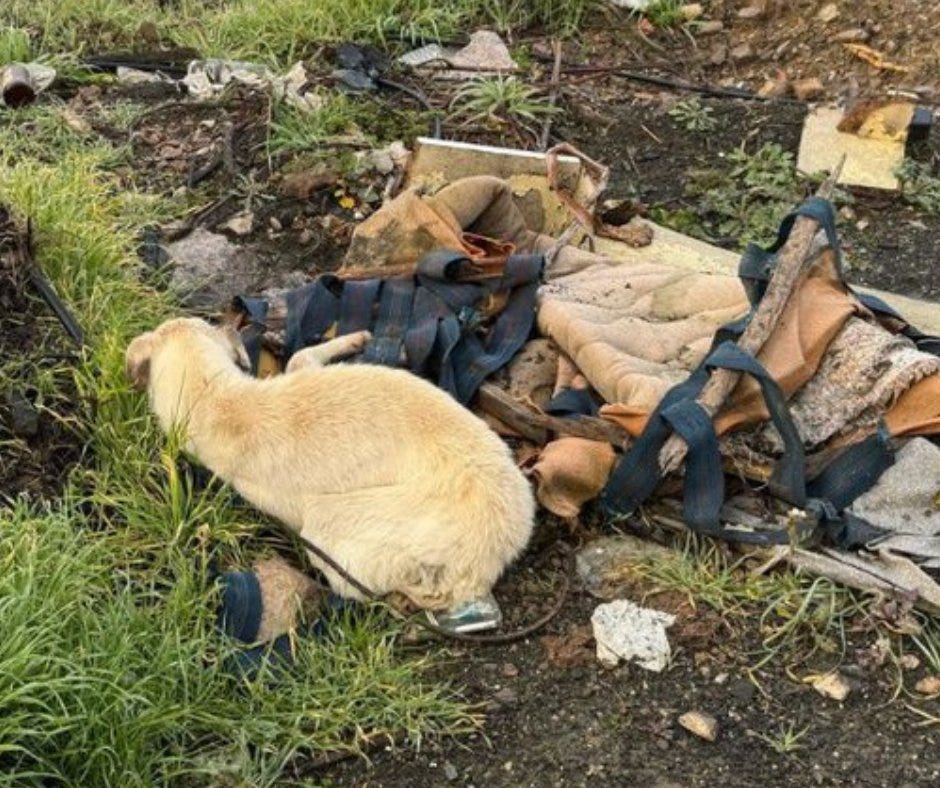
The Most Common Mistakes
Some of the most frequent and dangerous errors include:
Dragging the dog from the road without spinal support
Lifting by or dragging the limbs instead of supporting the body
Attempting to "set" bones or wounds without veterinary guidance
Transporting in unsafe positions, such as lying flat on a soft seat instead of a hard surface that minimizes movement
Even seemingly small actions—like rolling a dog onto its side without assessing for spinal injuries—can leave lasting damage.
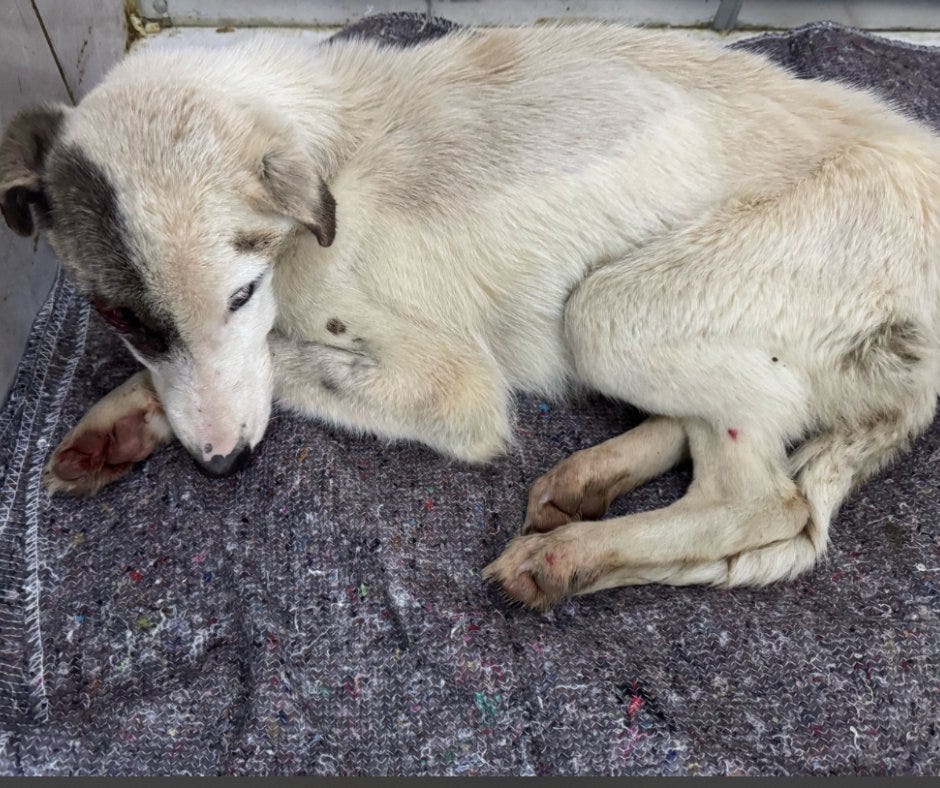
What You Should Do Instead
If you find a dog that’s been hit by a car, your best response is guided by a single principle: do no further harm. Here’s how:
Approach calmly and safely. Injured dogs may bite out of fear or pain.
Call a vet immediately. Let them guide your next steps.
Only move the dog if absolutely necessary (e.g., in immediate danger from traffic), and do so with extreme caution— always with the assistance of a trained responder.
Use a makeshift stretcher (a solid flat board resembling a pat slide)
Avoid manipulation of limbs, spine, or neck. Stabilize rather than reposition.
Building Awareness to Save Lives
It’s vital to spread awareness that good intentions are not always enough. Proper training, appropriate equipment, and quick veterinary intervention are the key components of successful emergency care for trauma cases.
At Dog Desk Animal Action, we are working to educate communities and responders about the right way to help injured strays—because every life deserves a chance at recovery, not risk, not pain & not added fear. They will already be in significant pain & be very, very frightened.