
When Hunger Meets Cruelty: The Struggle of Stray Dogs in Turkey
A Culture of Contradictions
Turkey is known worldwide for its tradition of compassion toward street animals.
In Istanbul and many other cities, bowls of food and water are left out for dogs and cats. Shopkeepers adopt strays as mascots, and entire neighbourhoods come together to feed them.
Yet alongside this generosity lies a darker reality: many strays are subjected to cruelty at the hands of citizens who see them as pests, thieves, or threats.
Poison as a Weapon
Perhaps the most common form of citizen-led punishment is poisoning.
In 2020, three men in Ankara were prosecuted for deliberately killing 16 stray dogs by leaving out pesticide-laced chicken meat in a park. Witnesses described the dogs collapsing and dying in agony in front of families and children. The perpetrators received fines, but no prison sentences.
Such incidents are not isolated. Animal rights organizations frequently report similar poisonings across Turkey, often with dozens of dogs wiped out overnight. These killings are typically framed as a way to “clean the streets” or punish dogs for scavenging in bins or taking food meant for people.
Violence Beyond Poisoning
While poison is the most documented method, other violent punishments have been reported:
Mass killings and burials: In Niğde province, activists uncovered mass graves of dogs near the municipal shelter in August 2024. Local authorities were accused of killing dogs by lethal injection and burying them in secret pits.
Beatings and neglect: Dogs are often beaten with sticks or stones when caught raiding food, entering gardens, or scavenging at markets.
Other cruelties: Puppies dumped in sacks or boxes outside city limits and abandoned to die, a grim method of removing “unwanted mouths to feed.”
A Suffering Survivor: Bobby’s Story
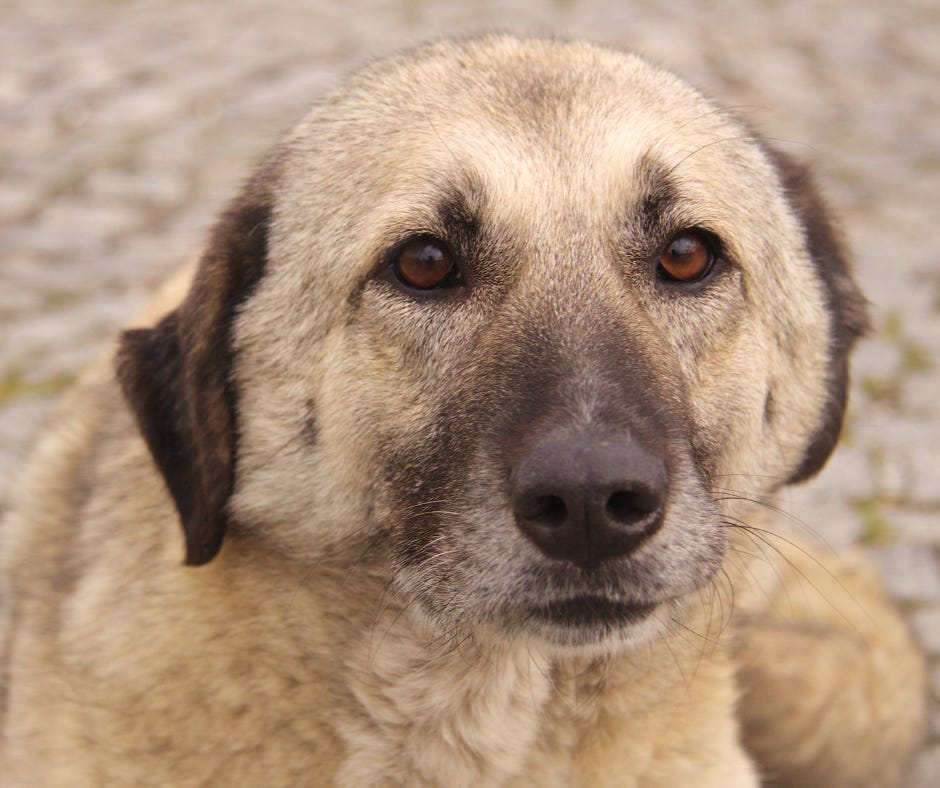
Amid the widespread neglect and brutality, one case stands out for its particularly chilling cruelty: Bobby, a female Kangal found at the Niğde municipal shelter in appalling condition. Both her front paws had been cut off, reportedly as punishment.
Her discovery came a while before Niğde shelter was exposed for mass killings in August 2024, making her suffering symbolic of a much larger crisis of cruelty and neglect. Would she have been another victim of culling if she had not been rescued?
Bobby survived, but her mutilation is a haunting reminder of the extreme punishments strays endure for behaviours rooted in hunger and survival.
Why Do Citizens Punish Dogs This Way?
This cruelty often comes from fear, frustration, or misinformation:
Fear of zoonotic disease or attacks: Rumours of dangerous “wild dogs” fuel fear, even though most strays are gentle.
Economic resentment: Strays seen eating food meant for humans or livestock are framed as “stealing from the poor.”
Cultural stigma: In some, but not all communities, dogs are seen as dirty, which justifies mistreatment.
Weak legal deterrence: Although Turkish law bans cruelty, punishments are usually limited to fines and rarely enforced.
The Cost of Vigilante “Justice”
These punishments do not solve the issue of stray populations. On the contrary, they create cycles of suffering and instability.
Poisonings and killings leave behind orphaned puppies. Beatings can maim but not kill, leaving dogs to suffer slow deaths.
Fear of cruelty makes strays less trusting, harder to handle, and more likely to lash out defensively, ironically reinforcing the perception that they are dangerous.
A Different Way Forward
Instead of cruelty, lasting solutions require compassion and planning:
Spay/neuter programs to reduce births humanely.
Community feeding stations to prevent conflict over food.
Education campaigns to dispel myths and reduce fear.
Enforcement of real penalties for abuse, ensuring cruelty is no longer tolerated.
Conclusion
Every poisoned meal, every beating, every mutilation comes from seeing stray dogs as intruders or thieves. But the truth is simple: they are victims of abandonment, not criminals.
As long as citizens punish them for trying to survive, the cycle of suffering will continue. Turkey, with its long tradition of street animal care, can choose to lead the world by proving that compassion, not cruelty, is the only just response.


