
When Laws Encourage Cruelty: The Rise in Animal Poisonings Since August 2024
When Turkey amended its Animal Welfare Law 5199 in 2024, it was promoted as a step toward order and protection. Instead, the opposite has unfolded. Across the country, cases of mass poisonings and deliberate killings of animals have multiplied, and public confidence in the law has eroded.
Rather than deterring cruelty, the amendments appear to have emboldened it. Communities are now witnessing an alarming rise in violence against animals, with perpetrators operating in a climate of impunity.
Kadıköy, Istanbul: A Park Turned Killing Ground
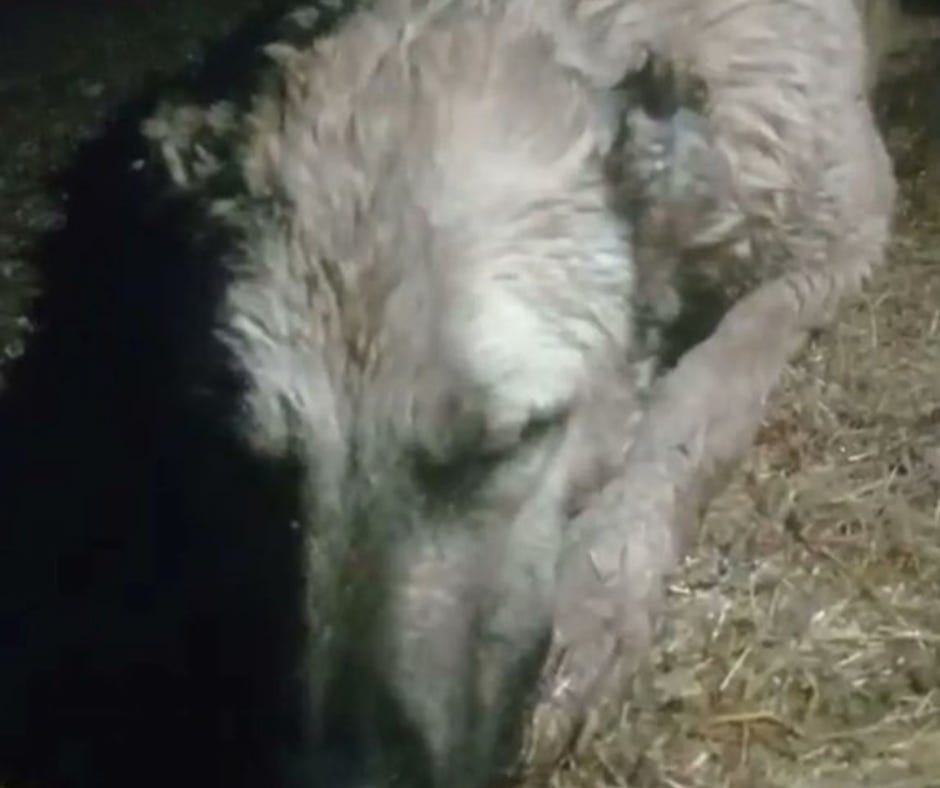
On September 1, 2024, Kadıköy residents were confronted with a devastating sight: more than 30 cats and three dogs dead, scattered near Kalamış Park. The animals had consumed poisoned food deliberately left in a public space. At least 10 other cats were rushed into emergency treatment.
Local animal advocates immediately linked the atrocity to the new law, stating:
“We are facing murderers empowered by the Isolation and Massacre Law, which came into effect on August 2… News of animal violence, torture, and killings are coming from all over the country.”
This was not a one-off case. Reports of additional poisonings surfaced in nearby neighbourhoods within days, suggesting a pattern rather than an isolated incident.
Niğde: Allegations of Mass Killings in Shelters
Just weeks earlier, in August 2024, disturbing footage emerged from a municipal shelter in Niğde. Videos showed dogs being injected and buried in what appeared to be mass graves. Local lawyers filed a criminal complaint, alleging that 10–15 dogs were being killed every day.
The municipality denied the allegations, insisting the burials were for animals that had died naturally. But the timing, following closely on the heels of the new law’s adoption, raised serious suspicions. For many observers, Niğde became emblematic of how legal changes can be misused to justify or conceal mass killings.
A Law Without Protection
Law 5199’s amendments were presented as humane management of stray animals. In practice, they have opened the door to widespread harm:
Insufficient infrastructure: Out of 1,403 municipalities, only 298 have shelters, with a combined capacity of ~105,000 dogs—utterly inadequate for an estimated 4 million strays nationwide.
Dangerous loopholes: By authorizing euthanasia of unadopted animals, the law provides cover for municipalities and individuals to normalize mass killings.
Enforcement gaps: Poisonings are rarely investigated seriously, perpetrators are seldom punished, and authorities often deny wrongdoing despite visible evidence.
The result is a climate where cruelty is not only tolerated, but effectively sanctioned.
Why It Matters Beyond Animals
International research shows clear links between violence against animals and broader patterns of social violence. By ignoring animal poisonings, authorities are not only failing animals but undermining community safety.
When citizens see that deliberate cruelty carries no consequence, respect for law itself weakens. In this way, the failure to enforce protections under Law 5199 harms both human and non-human lives.
A Call to Action
Turkey’s animals need more than words on paper. They need laws that are enforced, perpetrators who are held accountable, and a society that refuses to normalize cruelty.
What must change:
Poisonings must be investigated as serious crimes.
Municipalities must be held accountable for shelter practices.
Harmful provisions of Law 5199 must be repealed and replaced with humane, enforceable alternatives.
Investment must be directed toward spay/neuter, adoption, and shelter capacity—not mass killing.
Conclusion
The amendments to Law 5199 were meant to protect, but they have instead emboldened cruelty. The cases in Kadıköy and Niğde are not anomalies—they are warnings. Unless urgent reforms are made, more animals will suffer and die under the shadow of a law that was supposed to save them.
Turkey must decide: will its laws shield the vulnerable, or empower those who seek to harm them?


