

When the Water Comes - Flooding in Turkey and the Dogs Caught in It

People experience bad weather as inconvenience first.
A flooded road. A delayed journey. A damaged building.
But for animals, especially dogs, weather is never just weather. It is safety or danger and they don’t get a warning.
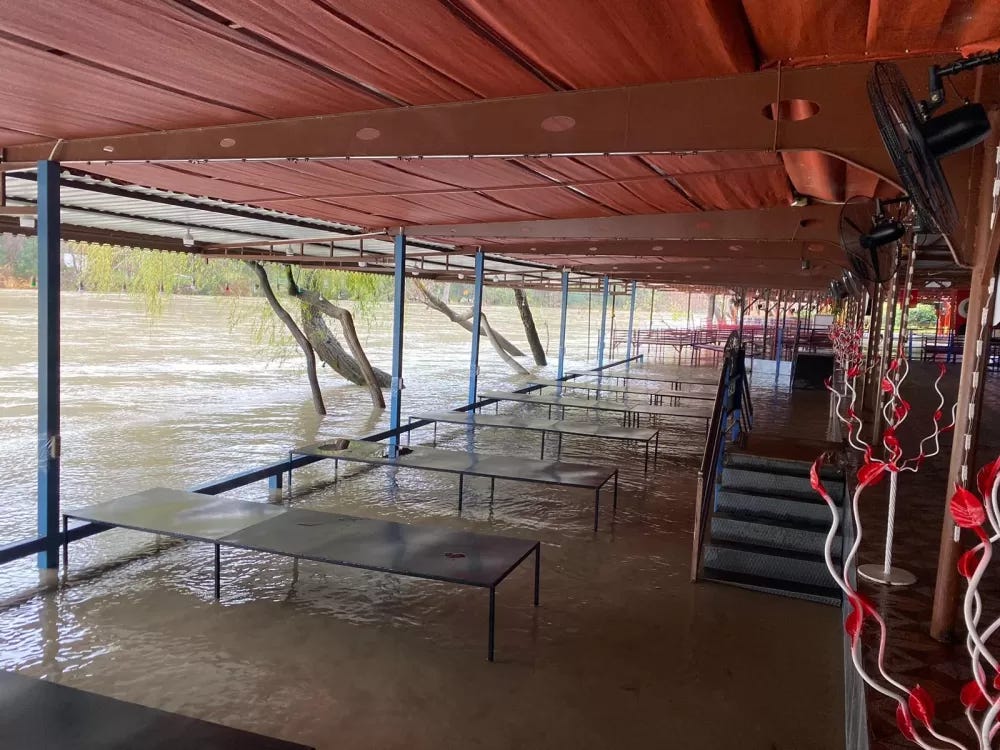
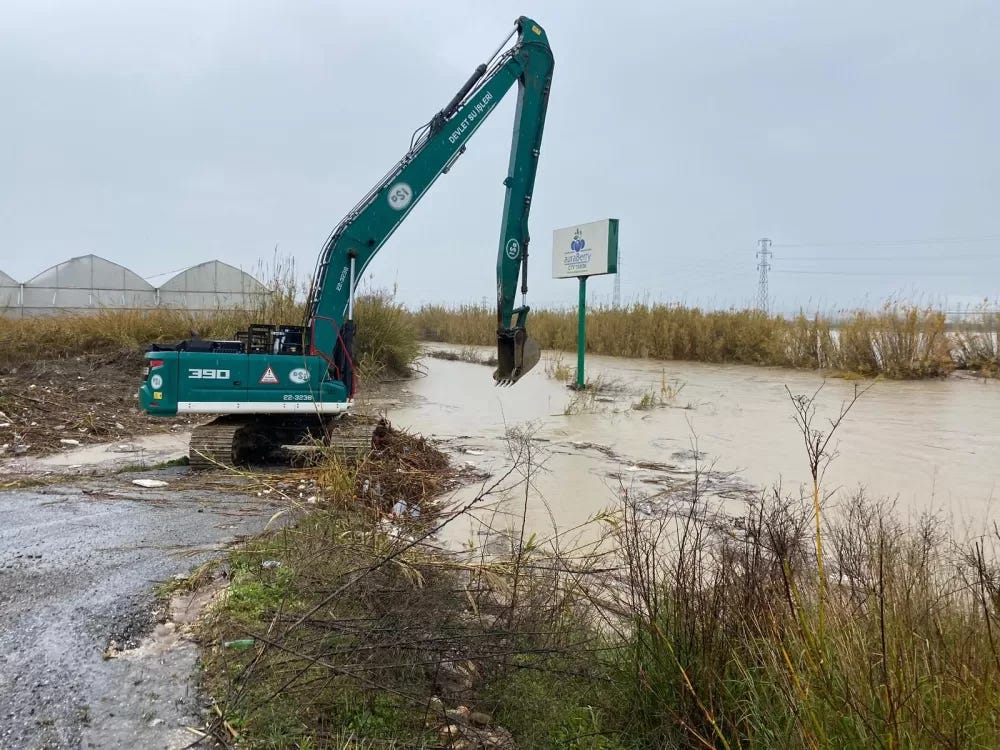
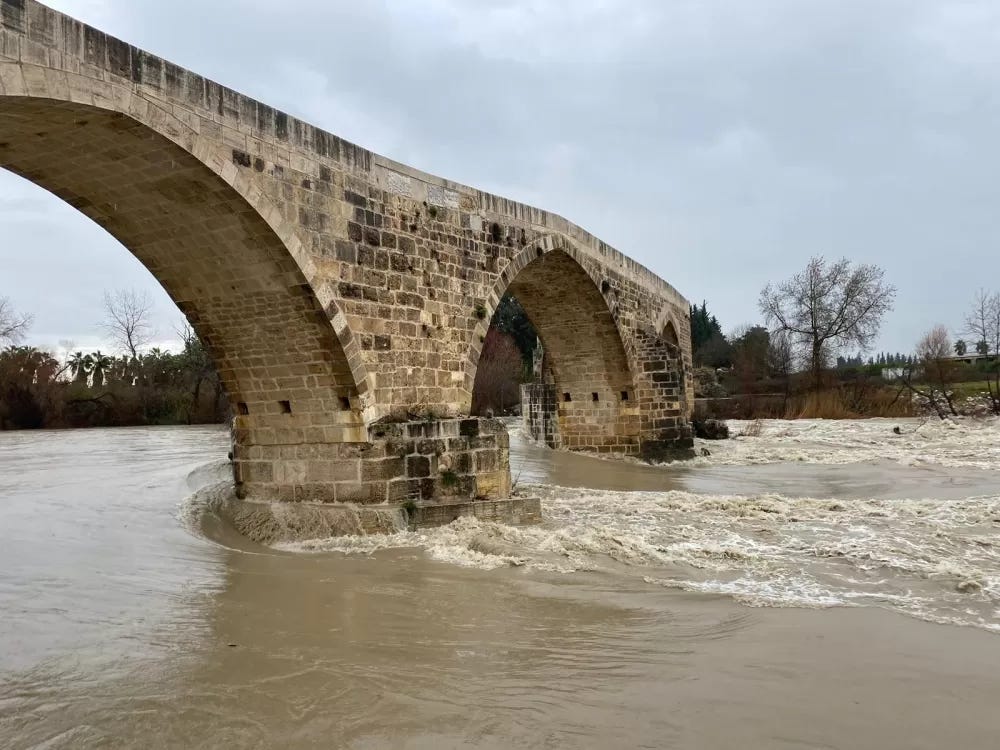
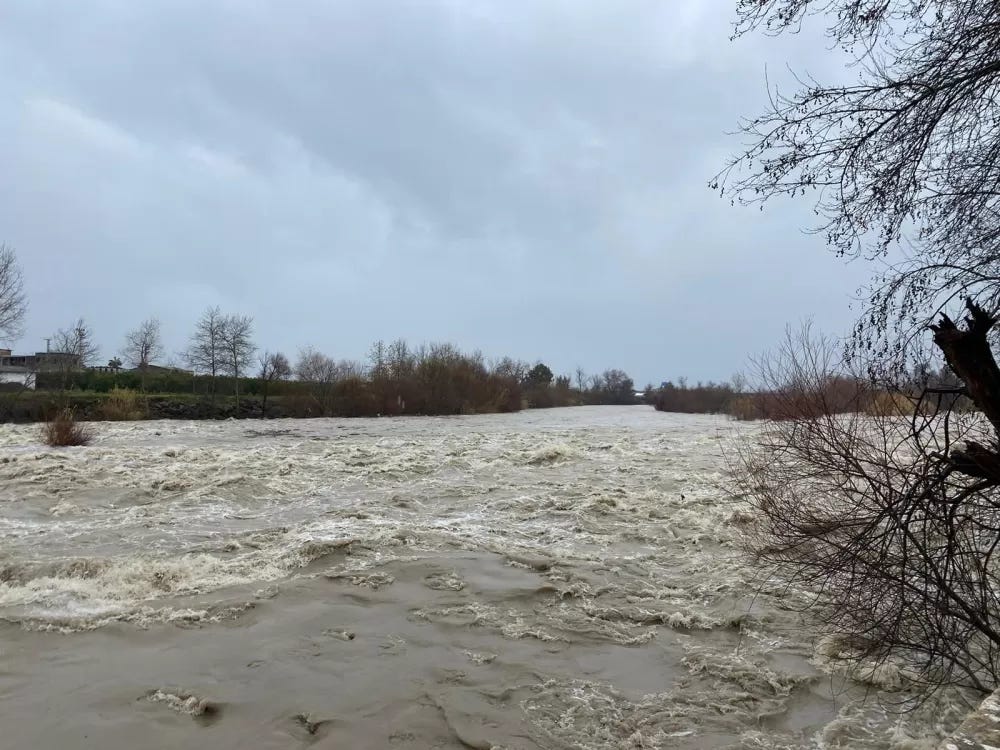
Over the past weeks, heavy rain across parts of Turkey have pushed rivers over their banks and filled streets, farms and buildings with water. Reports describe evacuations, property damage and rescue operations. And quietly threaded through those reports are the animals who cannot leave when humans do.
Credit IHA
Trapped Before Anyone Notices
In Antalya’s Serik district, the Köprüçay River overflowed after intense rainfall. Homes and agricultural land flooded, but one of the most telling details was easy to miss, dogs stranded as the water rose around them. Rescue teams had to reach a private animal shelter by boat, eventually removing 27 dogs after hours navigating through floodwater.
To us, a flood is an event. To a dog, it is the ground disappearing.
They don’t understand weather alerts. They don’t recognise evacuation orders. They simply remain where they last felt safe until it isn’t safe anymore.
The Ones Left Behind
Floods also reach the places people rarely think about: warehouses, yards, industrial buildings, roadside properties.
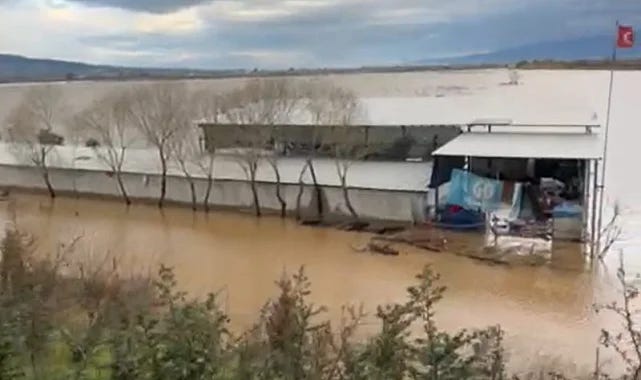
Along the İzmir-Istanbul highway, dogs were discovered trapped inside a storage building surrounded completely by water. A passing driver raised the alarm. The owners were contacted but chose not to collect them, leaving food and expecting them to wait for the water to go down.
There is something stark about that image.
A dog does not know it has been temporarily abandoned.
It only knows the person who normally returns did not come back.
Floods expose this quietly, not all animals kept by humans are truly cared for by them.
The Near Misses We See
Some stories end just before tragedy.
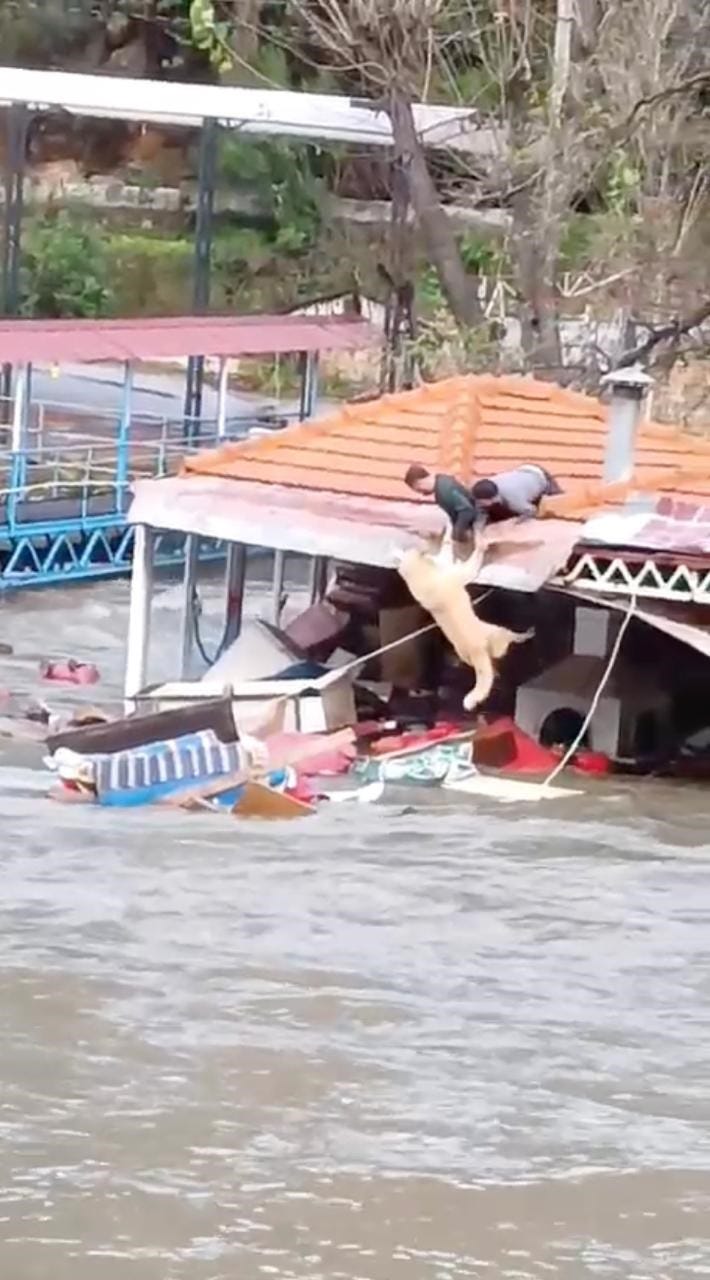
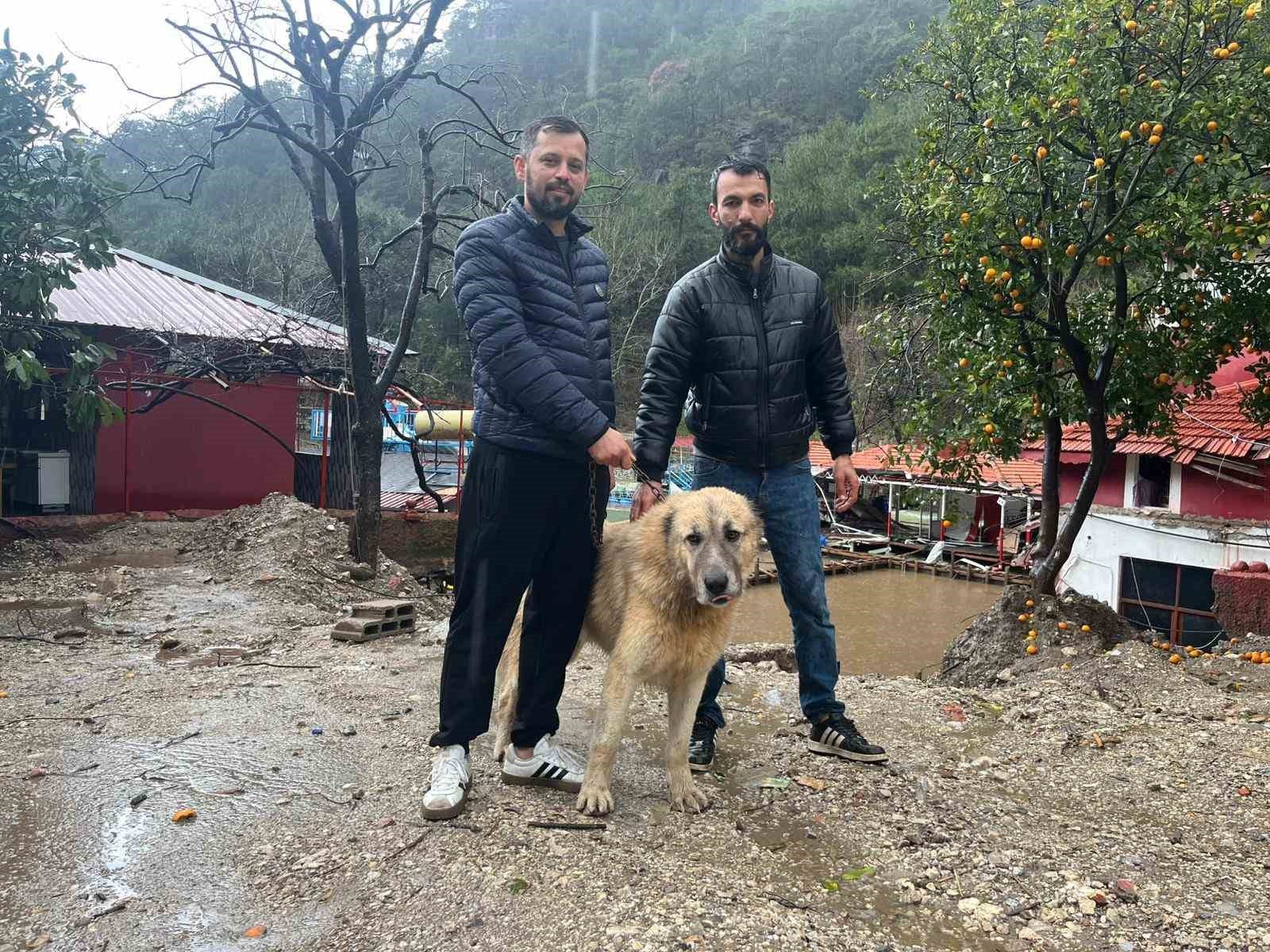
A dog named Paşa was pulled from rushing water moments before being carried away. In another case, workers grabbed a dog seconds before a current took it downstream. These moments circulate online as hopeful rescues, and they are hopeful but they are also rare enough to be filmed.
Most animals in floods are never recorded at all.
After the Water
Surviving the current is only the beginning.
Floodwater carries sewage, chemicals and debris. Dogs develop infections, pneumonia and parasites days later. Feeding areas disappear, territories vanish, familiar routes become dangerous roads. Street dogs rely on memory to survive, and floods erase that memory overnight.
Afterwards, people often say the same thing:
“Some of the dogs just disappeared.”
Not found dead. Not found alive. Just gone, displaced beyond the area they understood.
Not Only Strays
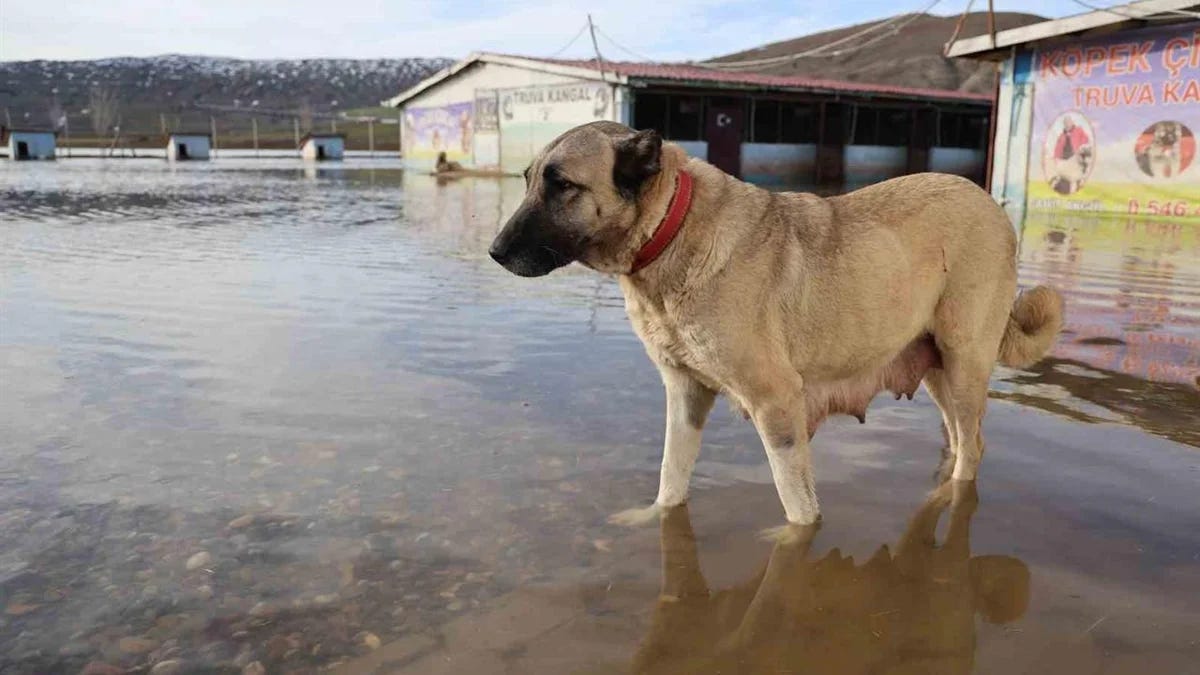
Flooding does not distinguish between street animals and owned ones. In Sivas, melting snow inundated a farm housing dozens of Kangal dogs, forcing evacuation as water filled their living spaces.
Ownership does not protect against disaster.
Preparation does.
And preparation for animals is often missing.
What Disasters Reveal
In countries with structured disaster planning, animal evacuation is automatic — transport, holding areas, veterinary response. In many parts of Turkey, rescue depends on volunteers, neighbours, or whoever happens to be nearby when water rises.
So survival becomes chance.
A boat passes. A person notices. Someone decides the dog matters.
Or no one does.
When the News Moves On
Floods last days in the headlines but months in the lives of animals. Dogs must find new feeding points, navigate unfamiliar territories, and cope with the loss of companions they lived beside every day.
To humans, the storm passes. To animals, the world is rearranged.
Disasters often make people ask whether animals should be saved alongside property and infrastructure. But the reality is simpler than that.
Dogs don’t run toward safety when danger comes. They wait where humans put them.
And in rising water, survival depends entirely on whether someone comes back.