


The investigation into Miranda’s Rescue in Humboldt County, California has taken another significant turn, this time involving the California Attorney General and the animals reportedly still remaining at the rescue.
A formal complaint has been filed with the Attorney General’s Office asking the state to intervene. Whistleblower Jennifer Raymond is reportedly asking for approximately 40 animals still at Miranda’s Rescue to be removed, for a receiver to be appointed to protect them and ultimately for the organisation itself to be dissolved.
Those are substantial requests and, importantly, they are requests. The filing of a complaint does not mean the Attorney General has accepted the allegations within it or decided to take the action being sought. As we have throughout this investigation, we need to keep that distinction very clear.
But the complaint raises another question that has become increasingly difficult to ignore as this case develops. What happens to the animals who are still there while everybody works out which authority is responsible for what?
We have spent the past few weeks trying to understand the regulatory structure surrounding independent animal rescues in California. We contacted the California Department of Food and Agriculture and were told directly that CDFA does not regulate companion animals such as dogs and cats. We subsequently contacted California’s Registry of Charities and Fundraisers to ask whether its supervision of charitable organisations extends to the welfare and animal records of rescue organisations and, if it does not, which authority actually carries that responsibility.
That question has become particularly interesting because California is now considering something that does not currently exist in the form being proposed. Plans for a Bureau of Companion Animal Welfare have been formally presented at the State Capitol, with licensing, inspections, complaint investigation and data collection among the measures being discussed.
Those proposals are about what California might do in the future. The complaint filed with the Attorney General is about what can be done now.
Humboldt County has already taken action through the powers available to it. Miranda’s Rescue’s conditional use permit has been suspended and the organisation cannot currently accept new animals or adopt animals out under that permit. The county’s action concerns the conditions under which the property was authorised to operate as a rescue, but suspending a land use permit and determining what should happen to animals already living at the property are not necessarily the same thing.
According to reporting surrounding the new complaint, approximately 40 animals are believed to remain at Miranda’s Rescue. The complainant is asking the Attorney General to seek their removal and the appointment of a receiver who could take responsibility for protecting them. She is also asking for the organisation ultimately to be dissolved.
Whether the Attorney General has grounds to take any of those steps will be for the state to determine. There are allegations within the complaint concerning animal cruelty and financial misconduct which should remain allegations unless and until they are established through the appropriate process.
The criminal investigation also remains active. At the time of writing we have seen no announcement that Shannon Miranda has been criminally charged in connection with the investigation. That is important context because the sheer scale and disturbing nature of what investigators have recovered from the property must not cause us to jump ahead of the legal process.
At the same time, the existence of an ongoing criminal investigation does not make the welfare of animals currently at a property irrelevant. That is where this latest development becomes particularly important.
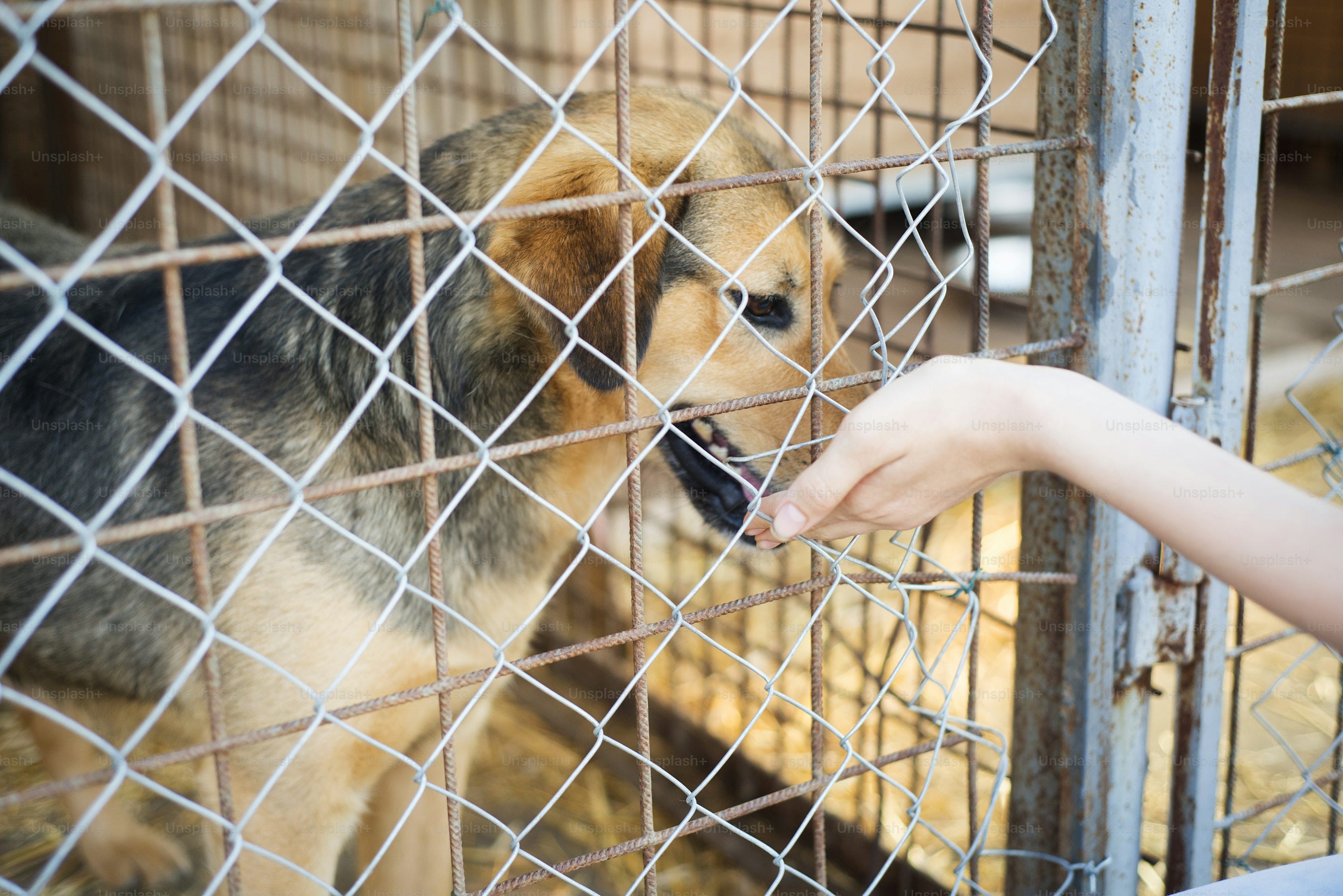
Law enforcement investigates suspected crimes. Planning authorities enforce land use requirements. Charity regulators oversee charitable organisations. Animal control authorities have their own functions. Each may hold one piece of the picture, but an animal cannot be divided between regulatory jurisdictions. The dog standing in front of you simply needs somebody to be responsible for making sure they are safe.
This is precisely the fragmentation we have been trying to understand.
The Miranda’s Rescue investigation has already resulted in the recovery of 117 intact canine remains, 21 canine skulls and hundreds of additional bones. Investigators have been tracing the histories of dogs that entered the organisation, and some dogs transferred there by other rescues have reportedly been identified among the dead. Against that background, questions about the animals reportedly remaining at the property are inevitably going to be asked.
That does not mean their removal is automatically the correct answer. Moving animals carries welfare implications too. Their health, behaviour, individual needs, available placements and continuity of care all matter. Any intervention should be based upon proper welfare assessment rather than the understandable public desire to simply get every animal out as quickly as possible.
But somebody needs to be making that assessment. And somebody needs to be accountable for it.
The request for a receiver is particularly interesting because it attempts to bridge the gap between investigating what may have happened in the past and protecting the animals that remain in the present. Rather than waiting for every criminal, planning, regulatory and civil question surrounding Miranda’s Rescue to be resolved, the complaint is asking whether somebody independent should take responsibility for the animals now. We support that view but whether California’s Attorney General agrees remains to be seen.
We have already asked California’s charity regulator what responsibility it has for animal welfare operations within charitable rescues. The complaint is now effectively testing that question in real time by asking the Attorney General’s Office to use its authority over a charitable organisation to intervene. Its response could therefore tell us a great deal about where the boundaries of California’s existing system actually sit.
If the Attorney General can intervene, we need to understand under what circumstances and through which powers. If the Attorney General cannot intervene in the welfare and custody of the animals, the next question is obvious: who can?
These are not academic questions anymore. There are reportedly animals still at Miranda’s Rescue while a criminal investigation continues, the county has suspended the organisation’s conditional use permit, civil proceedings have begun, hundreds of dogs that previously entered the rescue have had to be traced and California is simultaneously discussing the creation of an entirely new companion animal regulatory system. The system is being tested from almost every direction.
We will be watching what the Attorney General does with this complaint very carefully. Jennifer Raymond has asked California to intervene. California has not, simply by receiving that complaint, agreed that the intervention requested is necessary or legally justified.
What happens next may nevertheless answer one of the questions we have been asking since we began looking closely at this case. When serious concerns surround an animal rescue and animals are still inside, who has both the responsibility and the power to protect them while the investigation continues?
For the animals reportedly still at Miranda’s Rescue, that question needs an answer right now.