

Why Are Dogs from One Location in Turkey Sicker? Exploring an Emerging Pattern

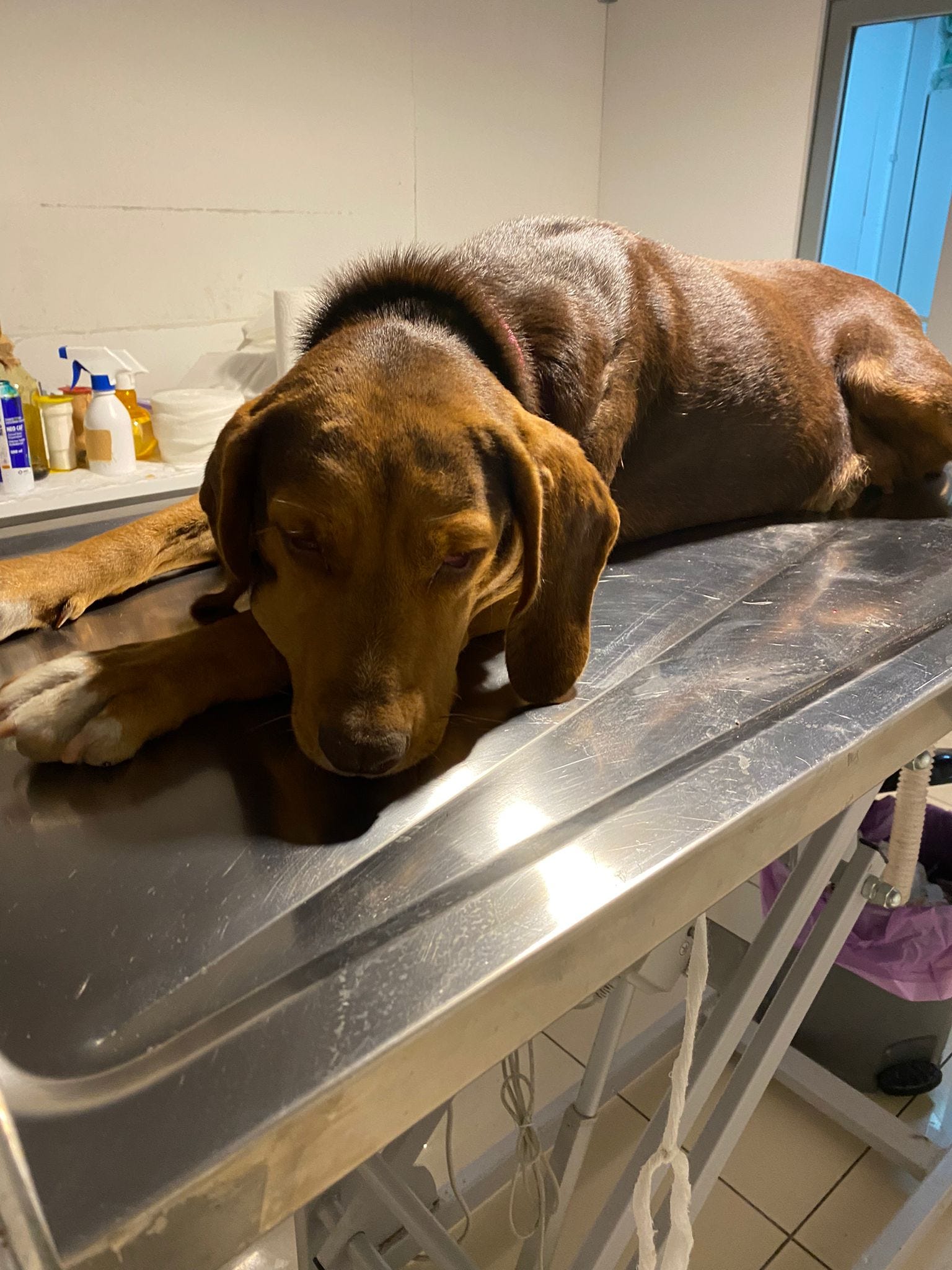
At Dog Desk Animal Action, we work with dogs across Turkey, north to south, city to countryside. Over the years, we’ve become used to seeing a broad spectrum of injuries and illnesses: infectious disease, trauma from vehicles, malnutrition, and parasites. These challenges are tragically commonplace for stray and neglected dogs in many regions.
But recently, we’ve noticed something that stands out.
An Emerging Pattern: More Complex Illnesses in One Specific Location
While our work spans multiple provinces and municipalities, one particular location has produced a disproportionately high number of dogs with multiple or unusually complex health problems. These dogs are more likely to present with:
overlapping infectious diseases
advanced parasitic infestations
immune-compromising conditions
severe malnutrition
traumatic injuries that remain untreated for longer
higher mortality despite intervention
At this stage, we must stress: this is anecdotal evidence. But the pattern is consistent enough that we have begun gathering structured data to validate, challenge, or refine our observations.
So why might this location be different?
Below are some potential factors we are beginning to explore.
Environmental Conditions
Pollution & Toxic Exposure
Industrial waste, poor water quality, agricultural chemicals, and air pollution may weaken immune systems, increase chronic illness, and contribute to organ damage.
Climate & Geography
Extreme temperature swings, lack of shade or fresh water, or proximity to wetlands (mosquito-borne disease vectors) could exacerbate disease spread and worsen outcomes.
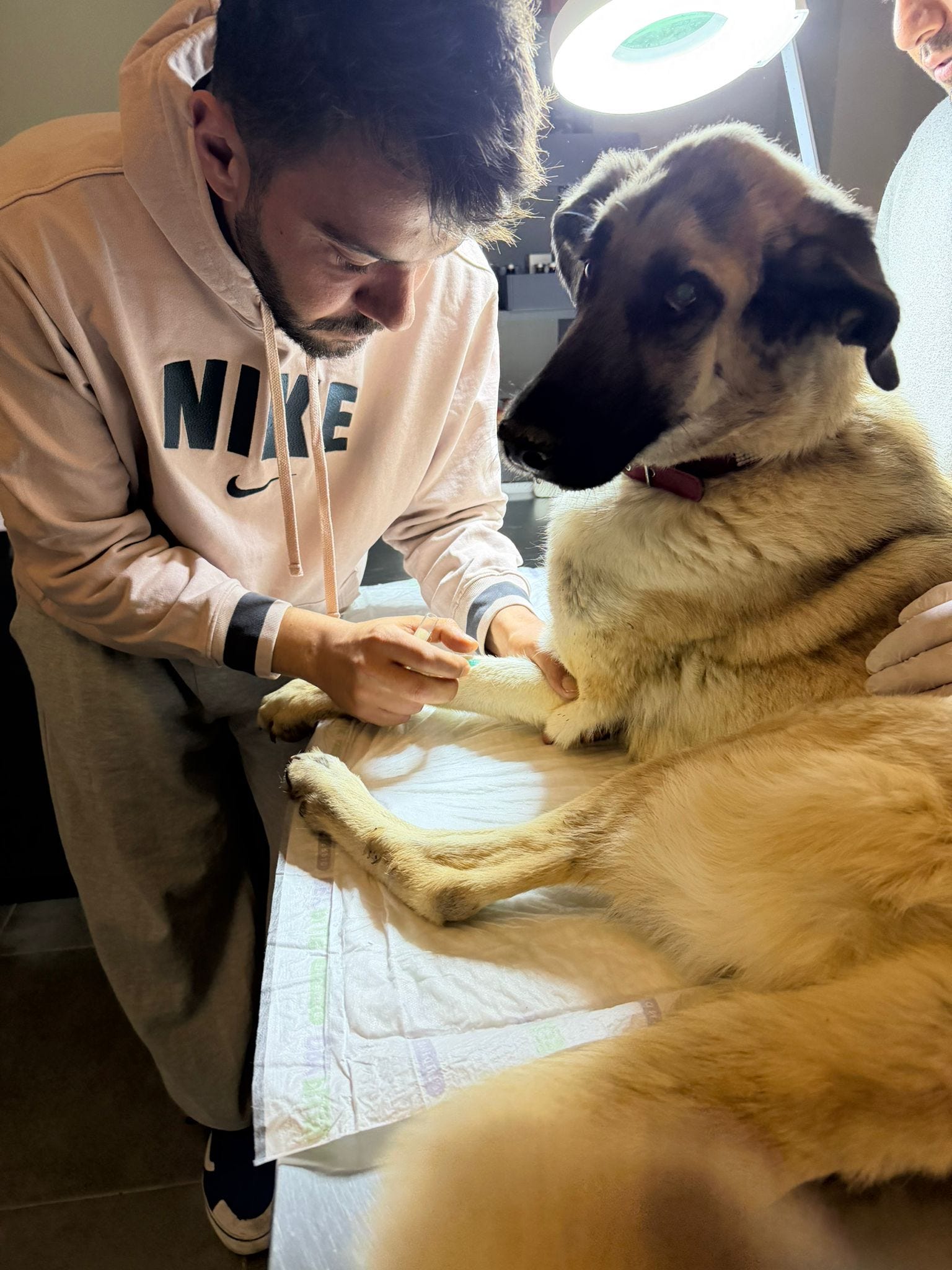
Public Health Infrastructure & Veterinary Access
Stray animals often rely on public municipal or regional veterinary resources. Where these are:
underfunded
overstretched
inaccessible
poorly regulated
diseases go untreated longer and spread more easily.
Vaccination campaigns, spay/neuter programs, and parasite control efforts may be inconsistent or absent.
Stray Population Density
A higher stray dog population per square kilometre increases the transmission of:
distemper
parvovirus
leishmaniasis
mange
tick-borne diseases
canine coronavirus
Coupled with overcrowding, resource scarcity and conflict injuries also rise.
Human Behaviour and Attitudes Toward Strays
Areas where:
feeding is discouraged
cruelty is more commonplace
abandonment rates are high
road traffic is dangerous
may see strays suffer longer, accrue multiple injuries or illnesses, or be denied early intervention.
Illegal or Unregulated Activity
We cannot ignore the potential impact of:
unregulated breeding
illegal dog fighting
dumping of diseased or unwanted litters
Locations where these occur may disproportionately produce dogs in poor condition.
Reporting Bias & Visibility
We must also consider:
are we simply more aware of dogs in this area because of a local rescuer?
are more cases flagged to us due to social media or partner networks?
are we seeing more because we help more there?
Gathering proper data will help distinguish:
true prevalence vs. visibility bias.
Why Data Matters
Anecdotal observations are the beginning not the end of inquiry. By collecting and analysing data, we can:
identify environmental risk factors
quantify illness types and mortality rates
guide resource allocation
advocate for policy changes
direct public health interventions
Our goal is not to assign blame, but to understand root causes and improve outcomes.
What Comes Next
We have begun:
recording case severity and co-morbidities
mapping geographic data
tracking treatment outcomes
collaborating with local stakeholders
exploring environmental indicators
If data confirms a genuine hotspot of illness and mortality, it could unlock vital opportunities:
targeted vaccination programs
municipal reforms
public education
improved feeding points
parasite control initiatives
lobbying for better veterinary infrastructure
And most importantly better wellbeing and survival for the dogs who live there.
A Call for Collaboration
We welcome:
veterinary experts
epidemiologists
environmental scientists
local authorities
rescue partners
to join us in examining this issue with rigour and compassion.
Our commitment remains the same:
to understand the causes, improve the outcomes, and fight for the dogs who have no voice.