

Why Are Puppies’ Being Sold for Thousands With Their Ears Cut Off? The Cruel Trade Hiding in Plain Sight

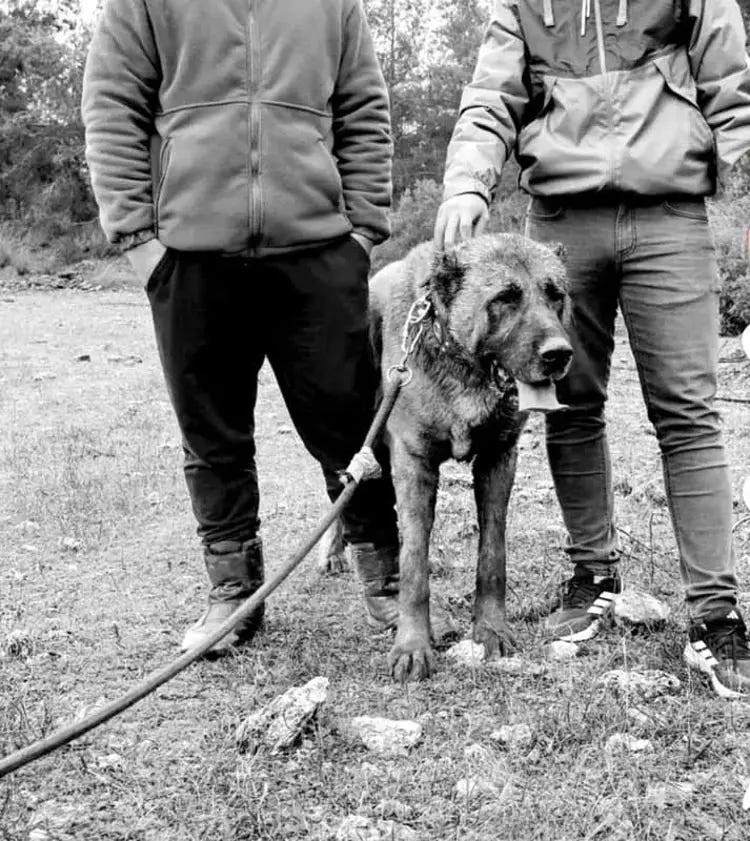
In Antalya, a disturbing allegation has surfaced that reveals a darker side of the dog trade one driven not by care for animals but by profit and status.
Animal welfare advocates have reported that very young puppies some just 26 days old were allegedly separated from their mothers, had their ears cut off, and were being sold for 30,000 to 40,000 Turkish lira each.
The case has been formally reported to the local agricultural authorities, after concerns were raised about possible illegal breeding and the suspected production of fighting dogs.
But the story itself is only one part of a much bigger problem.
Puppies Treated as Products
A puppy at 26 days old should still be with its mother. At that age, it is still nursing, learning basic social behaviours, and developing physically.
Removing a puppy from its mother so early is already harmful.
Cutting its ears often done crudely and without veterinary oversight adds another layer of suffering. It’s also highly illegal in Turkey.
These procedures are typically performed to create the appearance associated with certain powerful or aggressive dog breeds. The result is an animal that looks tougher and can be marketed at a higher price.
In this case, campaigners allege that multiple dogs were being kept and bred in the same location, with several young puppies present and offered for sale.
When dogs are reduced to a price tag, welfare quickly disappears from the equation.
The Aesthetic of Violence
Ear cropping is often justified by breeders as a cosmetic choice.
In reality, it is about creating a certain image.
Dogs with cropped ears are often associated with guarding, intimidation, or fighting. In many countries, the practice has been restricted or banned unless medically necessary because it serves no health benefit for the animal.
Yet the demand remains.
Where there is demand for a certain look, there will always be someone willing to produce it no matter the cost to the animal.
A Market That Thrives on Demand
The prices quoted 30,000 to 40,000 lira reveal something important.
This is a commercial market built on the desirability of certain breeds and aesthetics.
And that market is fed by people who want a dog that represents something: status, power, or identity.
Meanwhile, thousands of unwanted dogs live in shelters or struggle to survive on the streets.
The contrast could not be sharper.
The Shadow of Dog Fighting
One of the most alarming concerns raised in cases like this is where these puppies ultimately end up. Dogs whose ears have been crudely cut at a very young age are often associated with underground fighting culture, where a certain appearance is deliberately created to signal aggression and toughness.
While not every cropped-ear dog is used for fighting, the combination of very young puppies, mutilated ears, and extremely high sale prices raises serious welfare questions.
Illegal dog fighting still exists in many countries, operating largely out of sight, and it relies on a steady supply of dogs bred or selected for intimidation, strength, and endurance.
When puppies are treated as commodities and physically altered before they are even fully weaned, it creates a legitimate fear among animal welfare advocates that some of them may be destined not for homes, but for a violent and clandestine industry where suffering is the business model.
The Wider Problem
Cases like this are often treated as isolated incidents.
They are not.
They are symptoms of a system where:
Breeding is poorly regulated
Cosmetic mutilations are still normalised
Enforcement of animal welfare laws is inconsistent
And demand for “designer” or “status” dogs continues to grow
When profit enters the equation, the welfare of the animal is often the first thing to disappear.
What Should Happen Next
If the allegations are proven, consequences must follow, not only for the individuals involved but for the practices that allow such situations to exist.
Effective enforcement of animal welfare laws is essential.
So is confronting the market that fuels this trade.
Because every time a puppy is treated as a commodity rather than a living being, the same cycle begins again:
breed → modify → sell → repeat.
A Question Society Needs to Answer
The real question raised by this case is not only who is responsible for the alleged cruelty.
It is why the market for it exists at all.
As long as people are willing to pay thousands for a mutilated puppy because it looks impressive, someone somewhere will continue to cut ears, separate mothers from babies, and treat dogs as products.
Ending cruelty is not only about catching the breeder.
It is about ending the demand that makes the cruelty profitable.
It's an enforcement issue as dog fighting is illegal in Turkey. I say with confidence & experience that it was being ignored. Encouraging to see some arrests & prosecutions of late.
But THAT is a profound problem to fix, isn’t it? To change the ways of misguided men towards other activities? To be able to enforce the laws seems pre-weighted in the opposite direction. Mind you, what you speak of is a horrible, unforgivable act—in truth, the whole of that world is—but it feels like such an overwhelming problem, given the amoral population you are up against, and the money at stake. What can you do?