


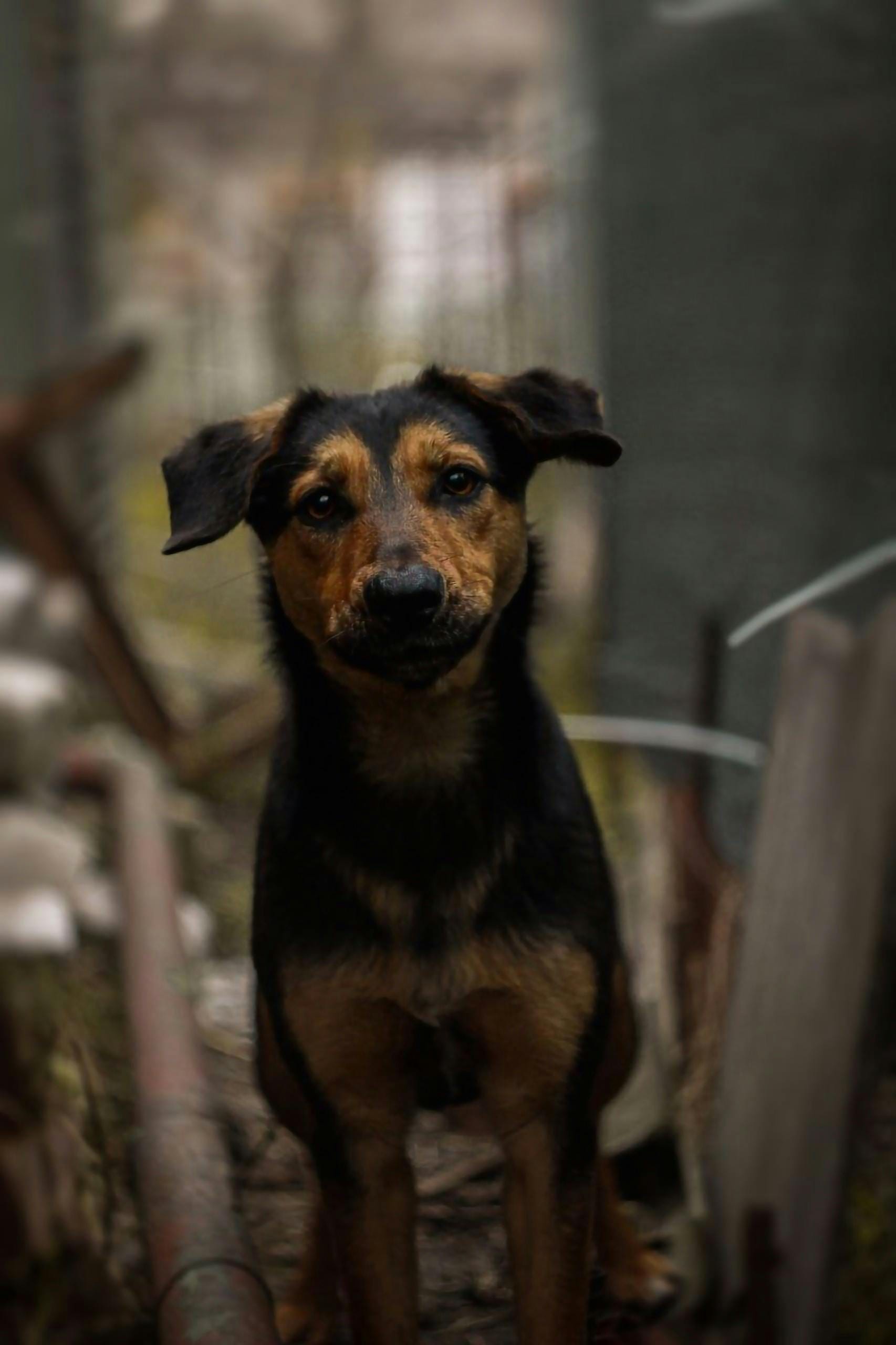
Why Azerbaijan Has Moved Onto The Watch List
Azerbaijan is not currently showing the kind of openly escalating nationwide stray dog crisis now visible in countries like Türkiye. There is no verified evidence of a new 2026 emergency removal programme or a state declared campaign to clear dogs from public spaces across the country.
But Azerbaijan continues to attract concern because longstanding disputes around stray dog collection, transparency, and alleged killings have never been fully resolved.
The issue has remained controversial for years, particularly in Baku, where public pressure around stray dogs continues to grow while activists repeatedly question what happens to dogs after they are collected.
Azerbaijani reporting during 2025 shows that public concern over stray dog populations remains active and politically sensitive. Residents in Baku described fear around packs of dogs gathering in neighbourhoods and public areas, while commentators increasingly framed the issue through the language of public safety and urgent intervention. That pressure is important because when governments and municipalities face growing demands to reduce visible stray dog populations, collection systems often expand faster than transparent humane infrastructure.
Azerbaijan does have an official stray dog management centre known as Toplan, established in Baku under a state-backed initiative that publicly promotes a trap-neuter-vaccinate-return approach.
However, the centre has remained controversial since its creation.
Animal welfare activists and regional media have repeatedly raised concerns about transparency around the facility, questioning what happens to dogs after capture and whether all animals are genuinely being returned following sterilisation programmes. A major 2024 regional investigation reported continuing accusations from activists that dogs disappear after entering the system, while critics said they had struggled for years to obtain meaningful oversight or access to information.
Some activists continue alleging shootings and unlawful killings linked to collection systems. But many of the strongest allegations come from campaign groups and social media reporting rather than independently verified investigations, which means caution is important. Claims of systematic killings cannot currently be verified at a national level using recent independent evidence.
The concern around Azerbaijan is not that a full scale crisis has already been conclusively proven. It is that the same unresolved warning signs continue reappearing year after year, public pressure to reduce dog populations, allegations linked to collection systems, disputes over transparency, and ongoing mistrust between activists and authorities.
Azerbaijan also has a long history of tensions between animal rights advocates and the state around this issue. Multiple protests linked to stray dog killings and the operation of Toplan have taken place since 2019, with activists repeatedly demanding greater transparency around captured animals. That history is important because it shows the debate has never fully stabilised.
And in countries where public pressure continues growing while trust in collection systems remains weak, concerns over humane management rarely disappear completely.
Azerbaijan has not reached the level of escalation now visible elsewhere. But the continued combination of public pressure, unresolved transparency concerns, disputed collection practices, and recurring allegations surrounding stray dogs means the situation still warrants attention.
That is why Azerbaijan remains on the watch list. Not because a nationwide crisis has been definitively confirmed, but because several of the same structural tensions that have preceded wider welfare deterioration elsewhere continue to remain unresolved.