
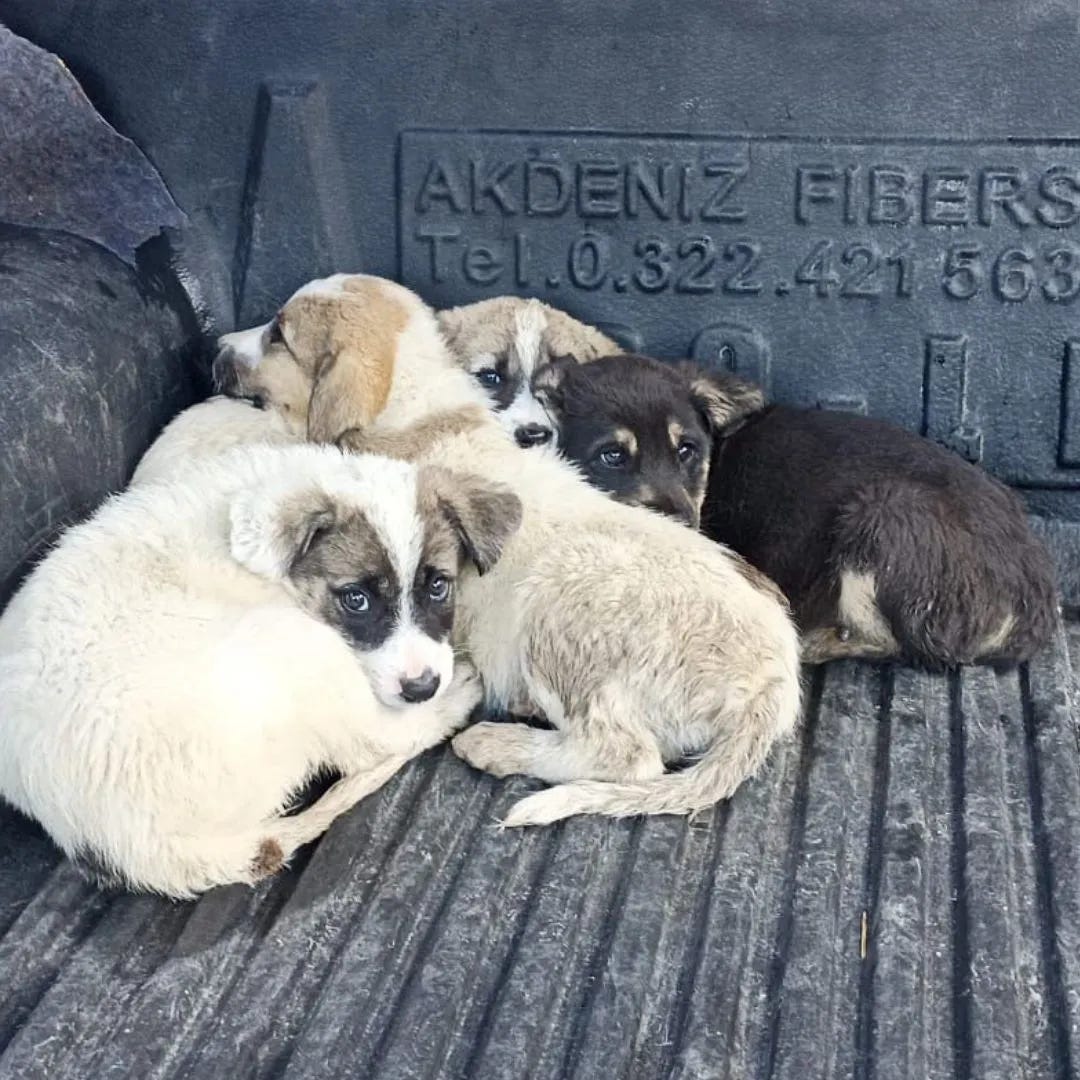
Across multiple countries, the same pattern is repeating.
Dogs are being removed from streets. Shelters are filling beyond capacity.
And at the same time, new puppies continue to be bred, sold, and purchased.
These are not separate issues. They are part of the same system.
When shelters are full, when municipalities are struggling to manage existing populations, and when rescue organisations are stretched beyond their limits, the continued production of puppies is not neutral. It actively compounds the problem.
This is not about opposing breeding in principle. It is about recognising timing, context, and consequence.
Supply without responsibility
In many regions, particularly where stray populations are being actively managed through removal or containment, the flow of new dogs into the system has not slowed.
Puppies are still being advertised. Litters are still being produced. Demand is still being met through purchase rather than adoption.
At the same time, thousands of dogs already exist without homes.
Some are street-born and adapted to that environment. Others have been displaced, abandoned, or removed. Many now sit in shelters that cannot meet even basic welfare standards.
To continue producing more dogs while failing to resolve the situation of those already here is not sustainable. It is a structural failure.
The vulnerability of bred dogs
One of the least discussed aspects of this issue is how poorly many purpose-bred dogs cope when they fall into the stray or shelter system.
Dogs bred for home environments often lack:
Environmental resilience
Experience navigating scarcity
Skills required to survive on the streets
We have yet to encounter a single abandoned owned dog that was already sterilised.
What we do see, repeatedly, is how quickly these dogs contribute to further population growth once displaced.
They are not equipped for the conditions they end up in. And yet they are continuously produced. This is not a criticism of the dogs. It is a question of human decision-making.
The speed of reproduction
The mathematics are simple and unforgiving.
One unspayed female dog can produce multiple litters in a short period.
Her offspring, if also unsterilised, continue that cycle. Within a few years, a small number of dogs can become dozens.
While organisations and municipalities work to sterilise existing populations, new litters effectively undo that progress.
This creates a constant state of chasing the problem rather than resolving it.
Policy without alignment
In countries such as Turkey, legislation exists to regulate ownership, abandonment, and population control.
There are requirements around:
Microchipping
Registration
Penalties for abandonment
At the same time, enforcement remains inconsistent, and breeding continues with little alignment to the reality on the ground.
Municipal shelters, now under increased pressure, are expected to manage growing populations within fixed or limited resources.
Without addressing the inflow of new dogs, these systems cannot stabilise.
A pause on breeding, temporary, targeted, and enforced would allow space for:
Sterilisation efforts to take effect
Shelter populations to reduce
Adoption pathways to reopen
The ethical question
This is not only a logistical issue. It is an ethical one. What justification exists for bringing new puppies into the world when:
Healthy dogs are confined indefinitely
Welfare standards cannot be consistently met
Outcomes for many dogs remain uncertain
The decision to breed is often framed as personal choice. But its consequences are collective.
Every new litter enters a system already under strain.
A temporary, necessary measure
A moratorium on breeding is not a permanent position. It is a response to a specific set of conditions.
Where:
Shelters are full
Stray populations are being actively removed
Sterilisation efforts are ongoing but overwhelmed
A pause becomes a practical tool, not an ideological stance. This would not eliminate responsible breeding long term.
It would create the conditions in which responsibility becomes meaningful again.
A shift in focus
The immediate priority must be clear:
Move existing dogs into homes
Support sterilisation at scale
Stabilise shelter environments
Reduce intake before increasing supply
Until that happens, breeding operates in direct conflict with welfare goals.
Conclusion
No puppy should be born into a system that cannot care for the dogs already here.
This is not about blame. It is about alignment.
If we are serious about reducing suffering, stabilising populations, and improving outcomes, then we must be willing to pause.
Not indefinitely. But long enough to restore balance.


