

Why Designated Feeding Zones for Stray Dogs Do More Harm Than Good

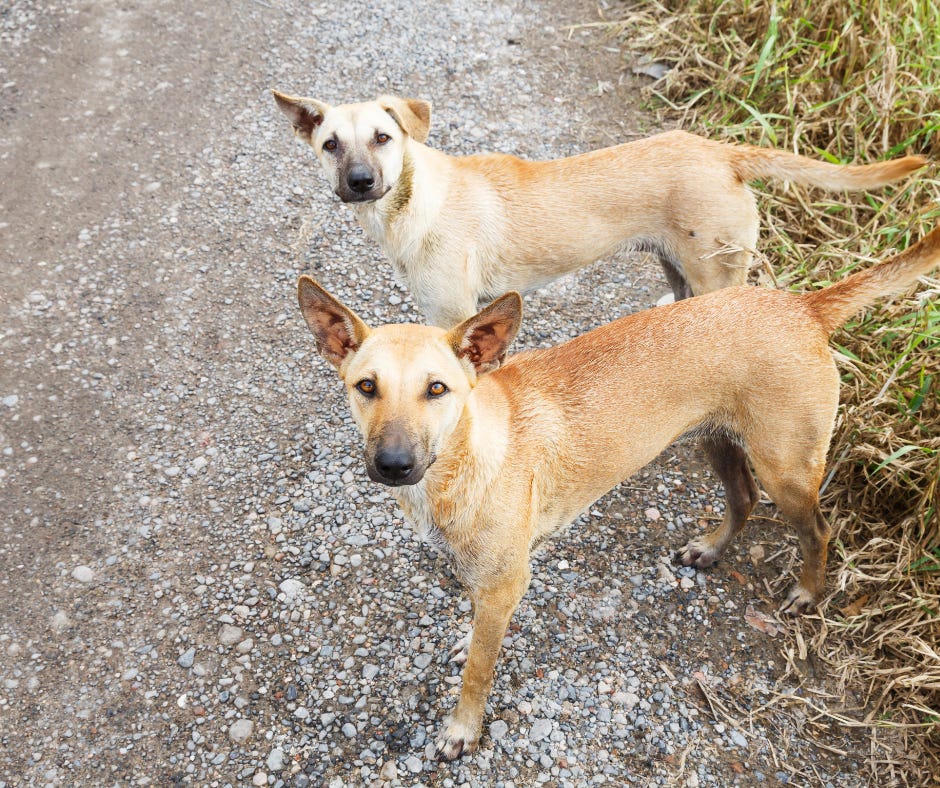
On the surface, creating designated feeding zones for stray dogs can seem like a neat and tidy solution. It appeals to human logic: if we place food in one area, surely the dogs will stay there, away from schools, parks, or residential spaces. It promises order, convenience, and control.
But what makes sense to humans often makes little sense to the dogs themselves. When we look at this idea from the dogs’ perspective and consider what actually happens in practice, it becomes clear that feeding zones are not only ineffective but can also be harmful.
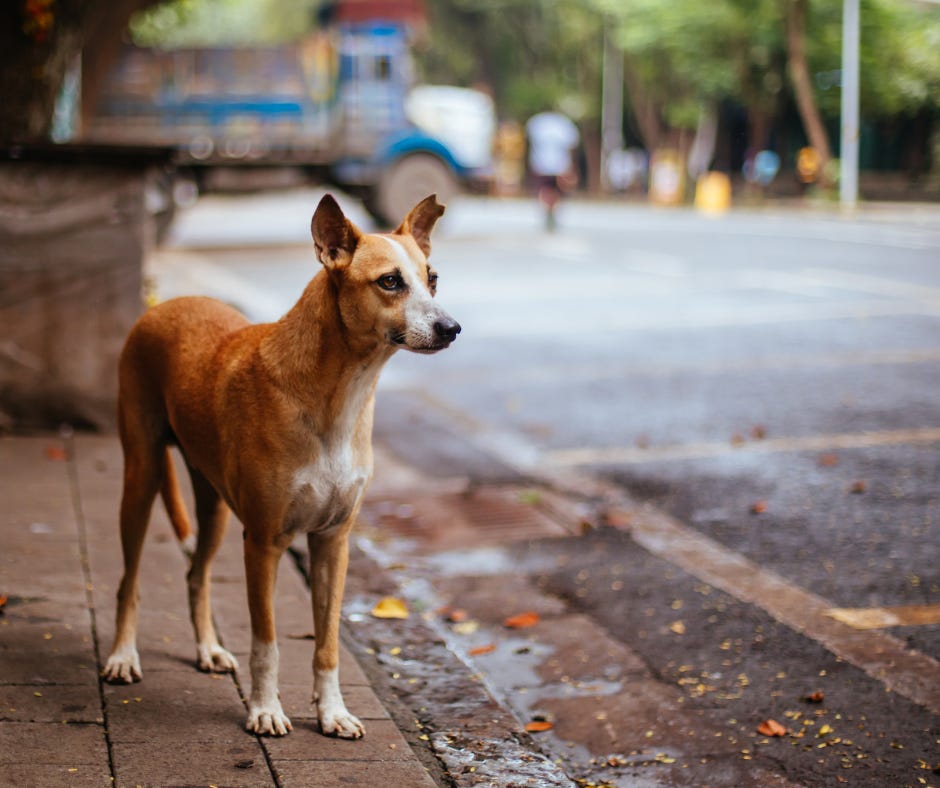
Dogs Don’t Understand Human Boundaries
Dogs are driven by survival instincts, not by urban planning.
They don’t understand that a certain corner has been designated as a “feeding area” and another street is off-limits. If food is reliably provided in one location, some dogs may gather there, but many will still roam in search of additional resources, companionship, or simply because they live in a territory that they know and defend.
Expecting dogs to stay in one spot because food is present is like expecting humans to never leave their kitchen just because there’s a fridge there.

Feeding Zones Create Conflict Between Dogs
By concentrating food in a single location, we unintentionally encourage competition.
Stray dogs naturally live in small, loose-knit groups within defined territories. When dogs from multiple territories are forced together at feeding zones, fights and injuries can occur.
The very resource intended to help them becomes a source of stress, fear, and aggression.
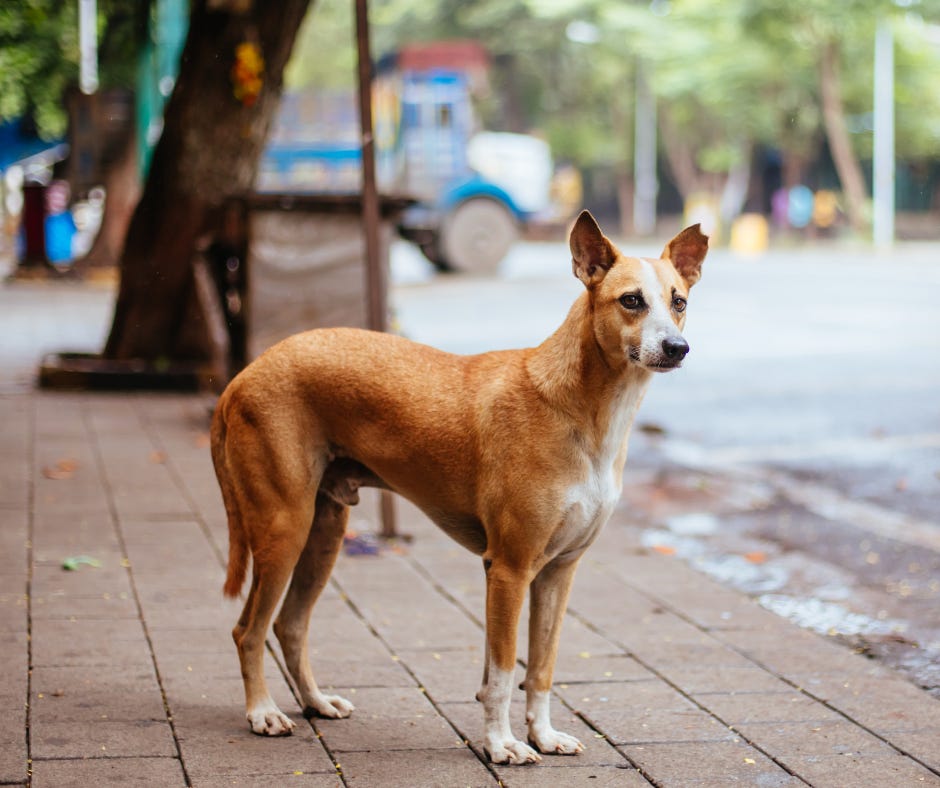
They Don’t Reduce the Number of Dogs in Other Areas
One of the main arguments for feeding zones is that they will keep dogs away from public places. Unfortunately, this rarely happens.
Hungry or opportunistic dogs will continue to scavenge in familiar areas, and new dogs may move into the vacant spaces.
Feeding zones don’t reduce the overall number of dogs in a city; they just shuffle them around, often temporarily.

Dogs Lose Access to Familiar Resources
Many stray dogs survive by forming bonds with local people who feed them near their homes or workplaces.
These bonds create a form of community responsibility, dogs are monitored, fed, and sometimes even given medical care by those who know them.
Moving the feeding to distant, impersonal zones breaks this link, leaving the dogs less protected and less likely to be cared for as individuals.

Feeding Zones Can Be a Step Toward Removal
In some regions, designated feeding zones are not about dog welfare at all but about moving dogs out of sight.
Once gathered in specific areas, they become easier targets for capture and culling.
What begins as a seemingly humane measure often paves the way for cruelty.

What Really Works
Instead of restricting feeding to artificial zones, humane solutions focus on community-based care:
Allowing local people to feed and monitor dogs in their own areas.
Supporting Trap-Neuter-Vaccinate-Return (TNVR) programs to gradually reduce stray populations.
Educating communities about co-existing safely with street dogs.
Ensuring veterinary care is available to keep dogs healthy and non-threatening.
These approaches respect the natural behaviour of dogs, strengthen human–animal bonds, and actually address the root of the problem.

Final Thoughts
Designated feeding zones may satisfy human desires for order, but they don’t work for the dogs.
They create stress, fuel conflict, and often fail to achieve their intended goals.
If we truly want safer, kinder communities, the answer is not to push stray dogs into artificial boundaries, it is to support humane, proven strategies that allow both people and dogs to thrive together.