

Why International Pressure Matters in Animal Rights Cases

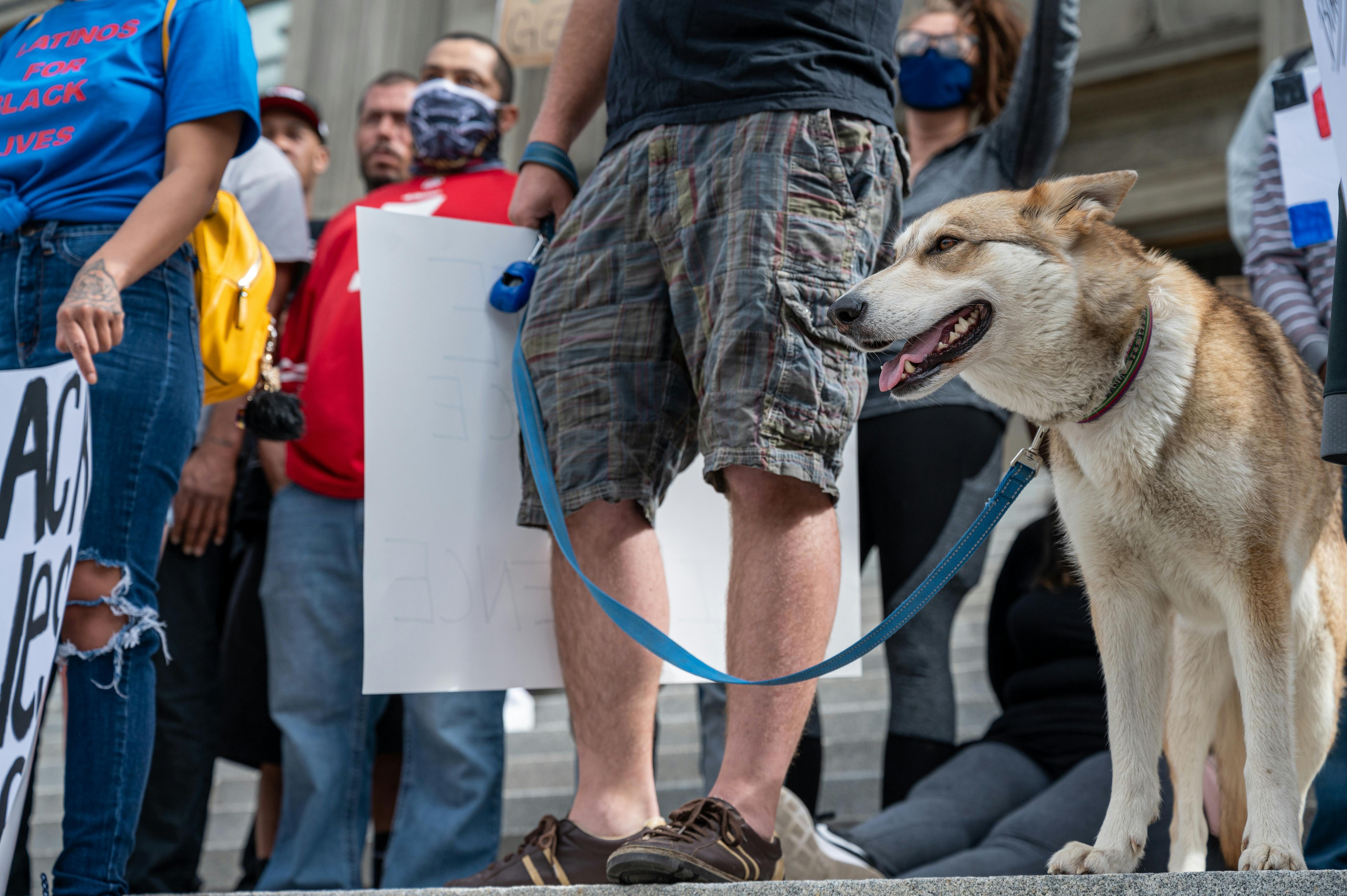
Around the world, countless animals suffer not because laws do not exist, but because those laws are ignored, selectively enforced, or deliberately undermined. In many countries, animal protection legislation is little more than words on paper, easily overridden by political agendas, economic interests, or public indifference. In such environments, international pressure becomes one of the few forces capable of shifting outcomes. For animals who cannot speak, global attention can mean the difference between life and death
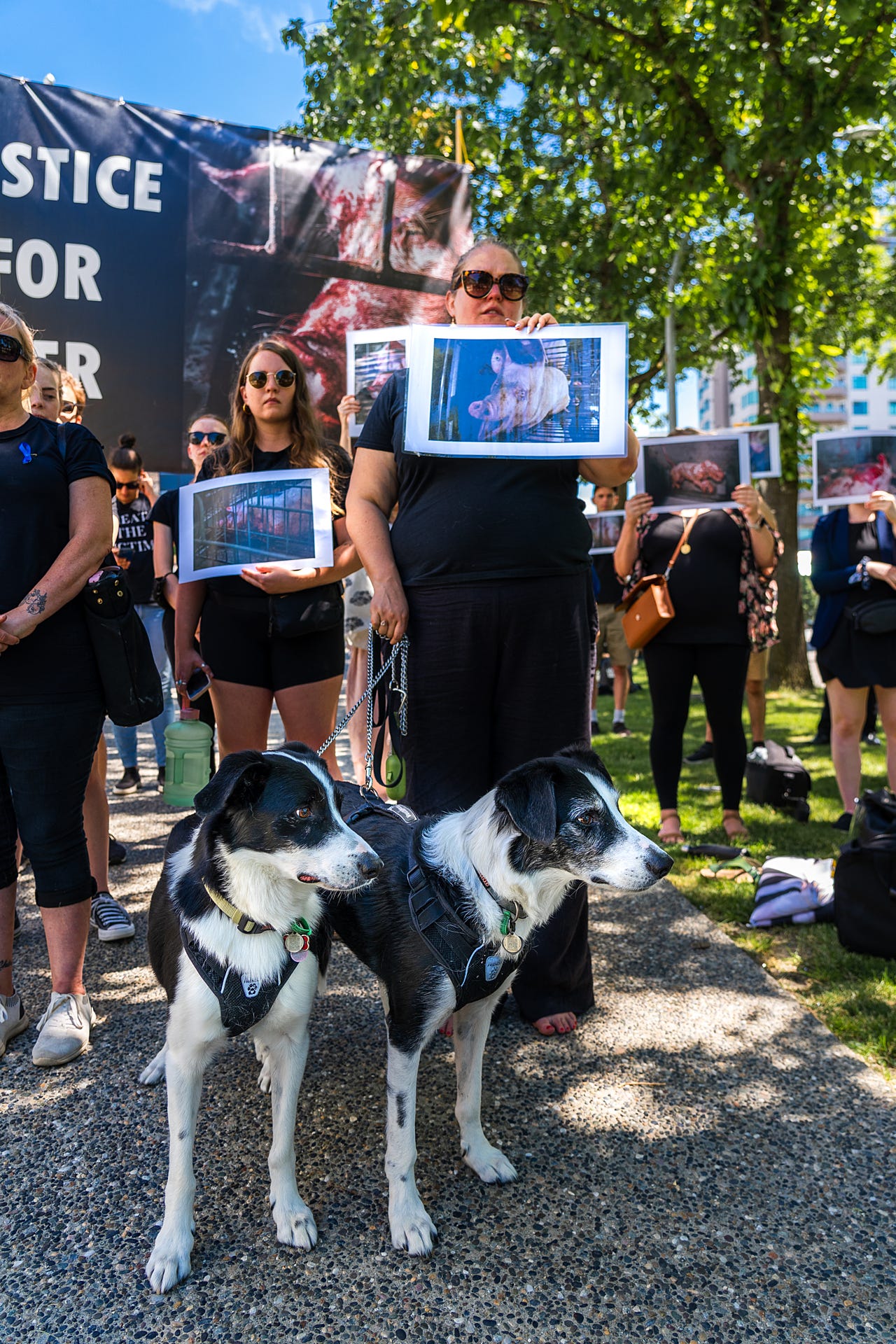
When National Systems Fail
In regions where animal cruelty is widespread and institutionalised, domestic advocacy often faces severe limitations. Activists may be silenced, rescue organisations may be obstructed, and legal processes may be slow or deliberately stalled. Even when court rulings favour animals, implementation is frequently weak or non existent.
International scrutiny disrupts this cycle. Governments are far more likely to respond when their actions are observed by foreign media, international NGOs, diplomatic bodies, and global civil society. Reputational risk matters. Tourism, trade relations, and political standing are all influenced by how a country is perceived on the world stage. When cruelty becomes visible beyond national borders, it becomes harder to dismiss.
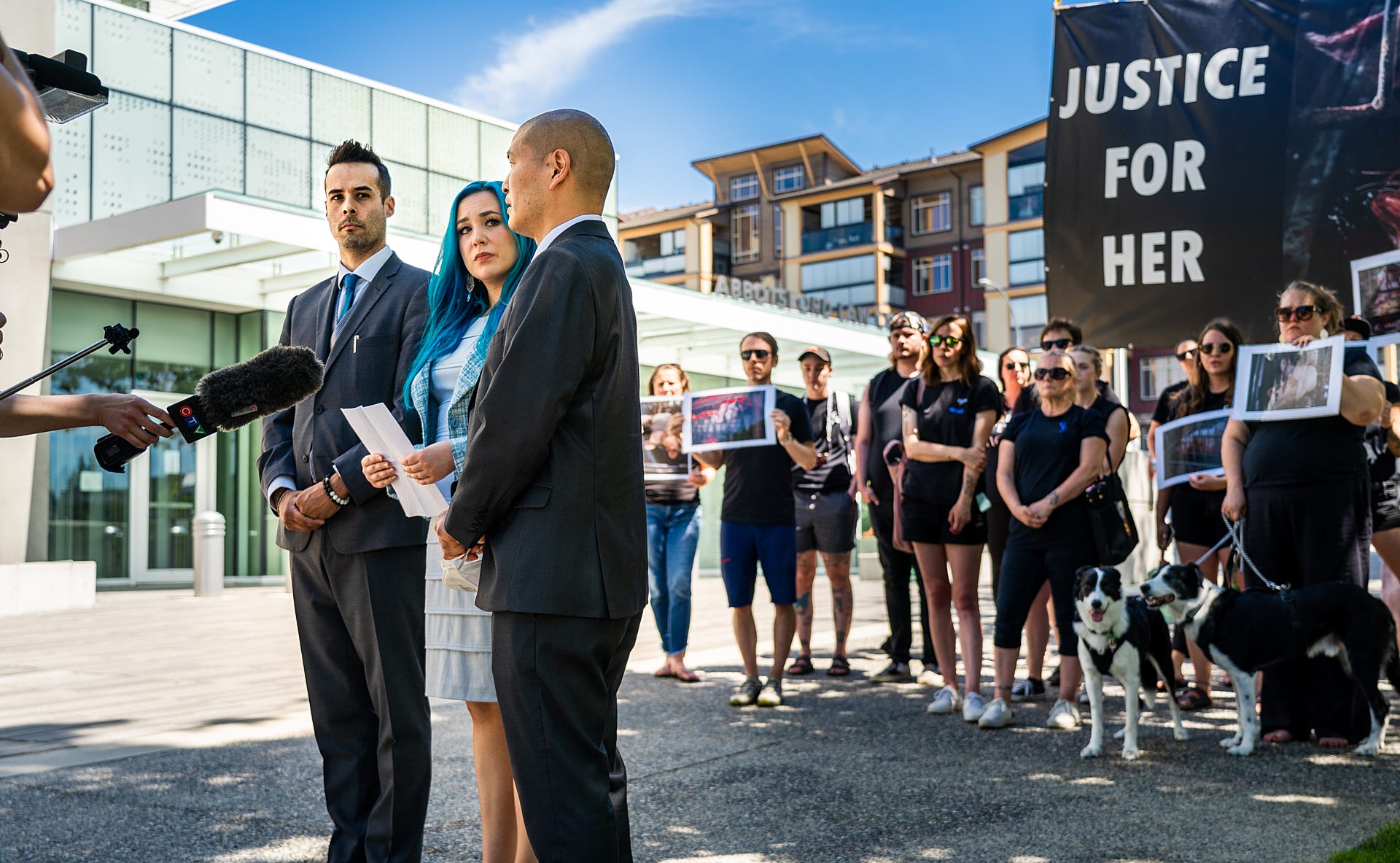
The Power of Visibility
Abuse thrives in silence. International pressure shines a light into places where suffering has been normalised or hidden. Investigative reports, viral footage, and coordinated global campaigns force authorities to acknowledge what they might otherwise ignore.
History has shown that cases once deemed internal matters can rapidly become international concerns when evidence is documented and shared. This visibility not only protects individual animals but also exposes systemic failures: unlawful killings, inhumane shelters, poisoning campaigns, or violent crackdowns on street animals.
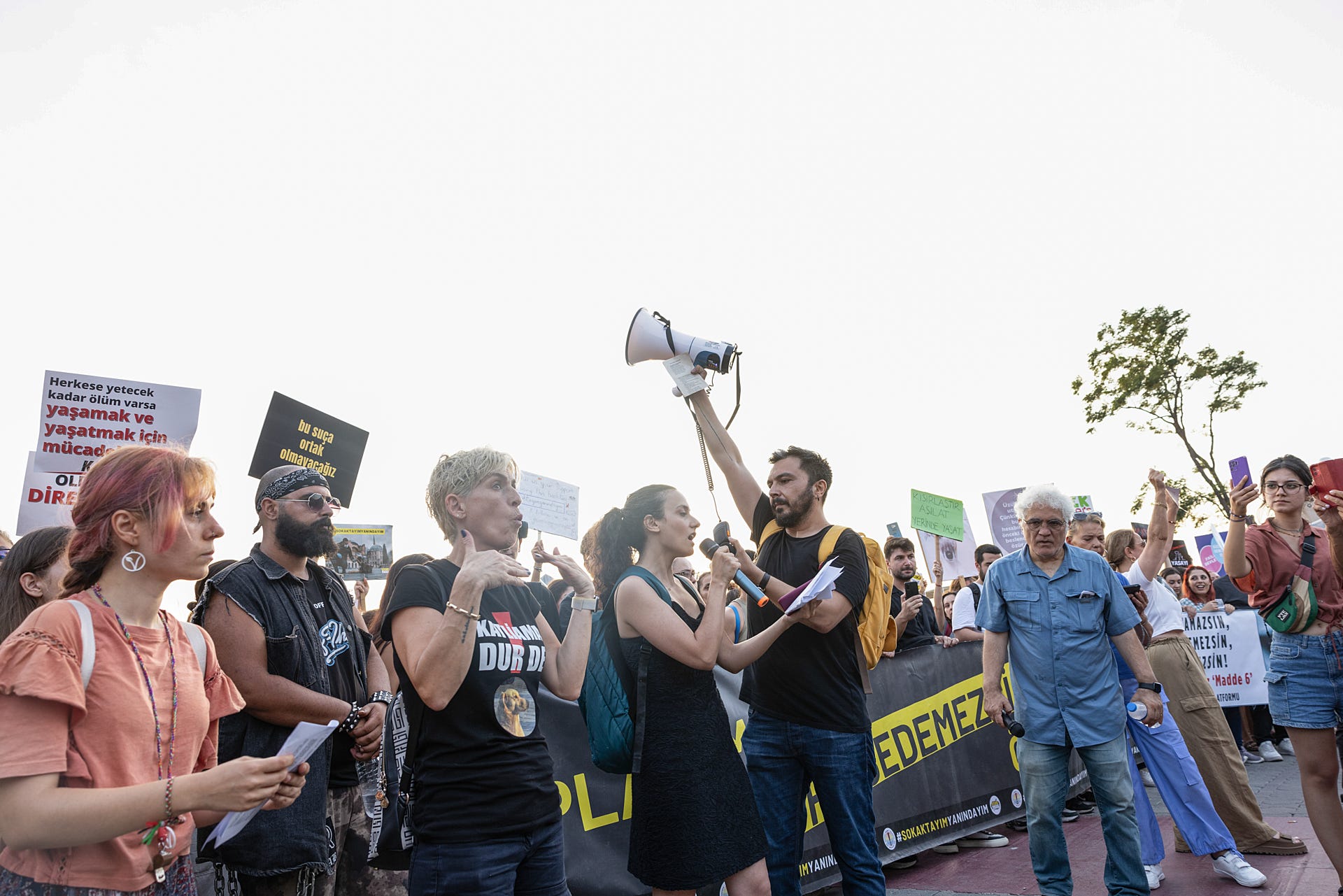
Legal and Political Leverage
International treaties, conventions, and human rights frameworks increasingly recognise the link between animal welfare, public health, and social stability. While not all are legally binding, they create standards against which governments can be measured.
Foreign embassies, the European Union, the United Nations, and international animal welfare bodies have the capacity to raise concerns through formal channels. When a state is repeatedly challenged about its treatment of animals, it places pressure on lawmakers and local authorities to justify their actions and, in some cases, to reform policy.
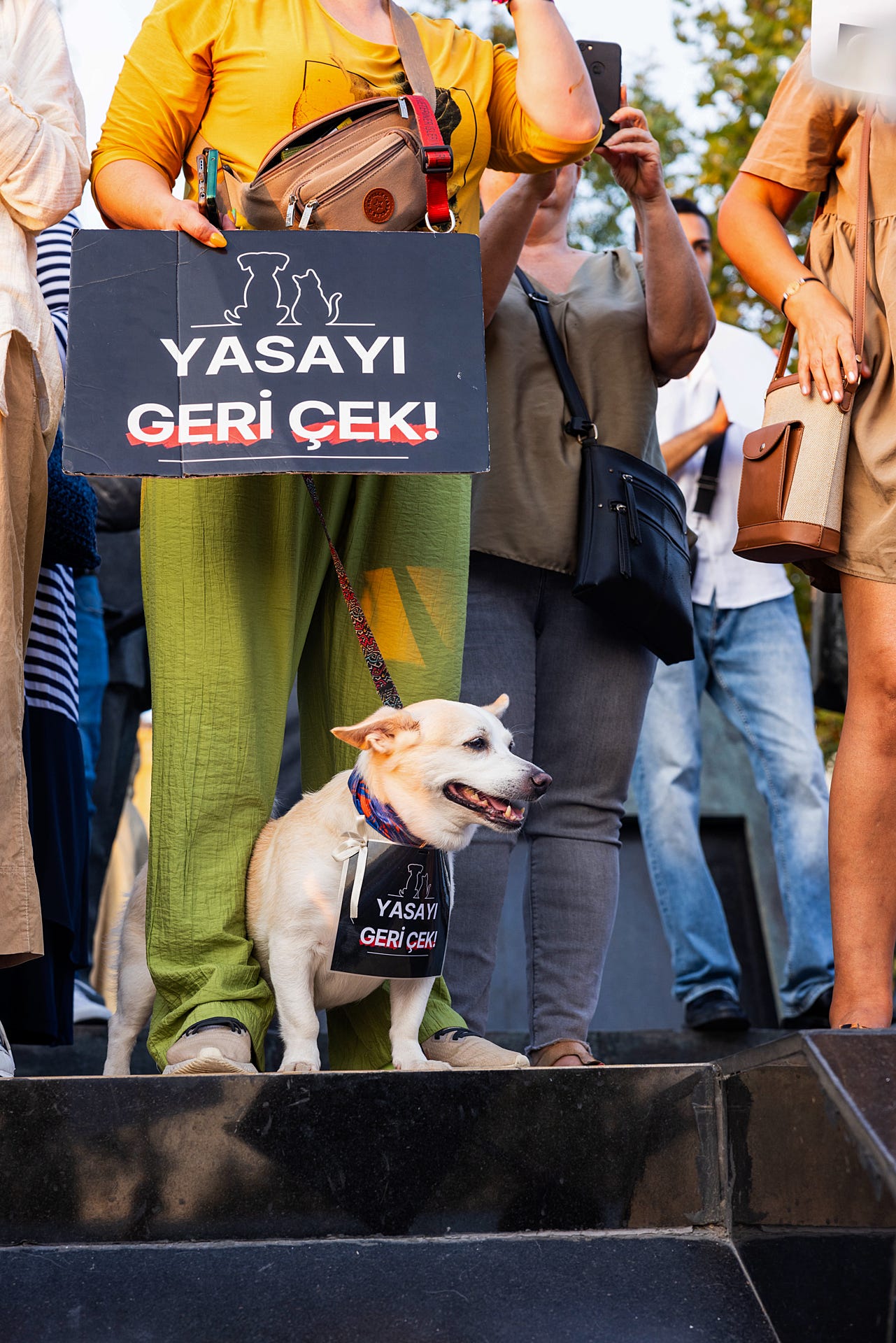
Protection for Local Advocates
Rescuers and activists working on the ground often operate under threat. They may face harassment, legal intimidation, or even physical danger. International attention offers a degree of protection. When the world is watching, it becomes harder to quietly silence those who defend animals.
Global solidarity also provides moral support. Knowing that their struggle is seen and shared strengthens local movements and reminds authorities that cruelty will not go unnoticed.
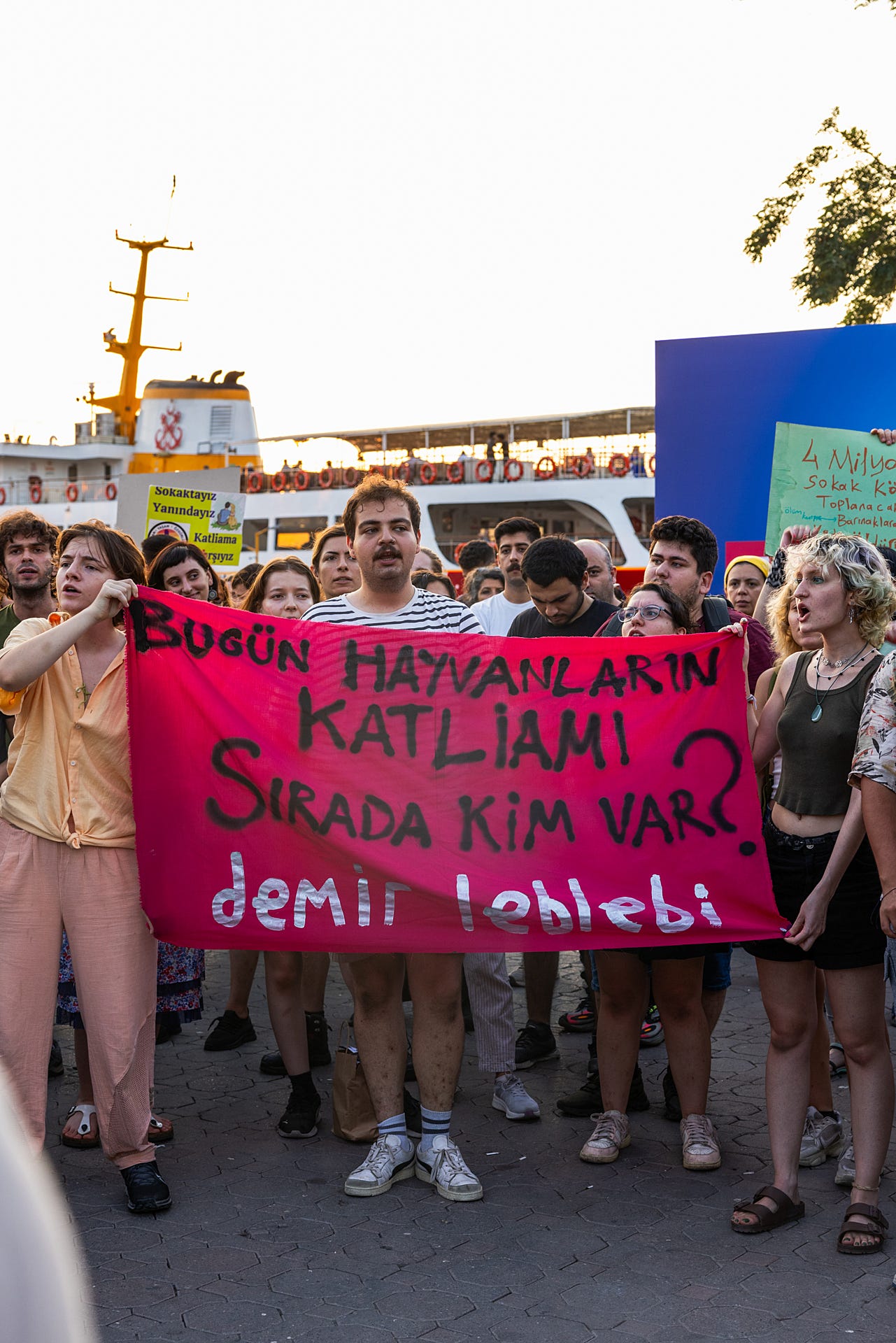
A Voice for the Voiceless
Animals cannot petition governments, contact journalists, or appeal to international courts. They rely entirely on human advocacy. When domestic systems fail them, the global community becomes their last line of defence.
International pressure transforms individual suffering into collective responsibility. It tells decision-makers that animals are not disposable, that their lives carry ethical weight, and that cruelty is not a cultural detail to be excused but a violation to be challenged.
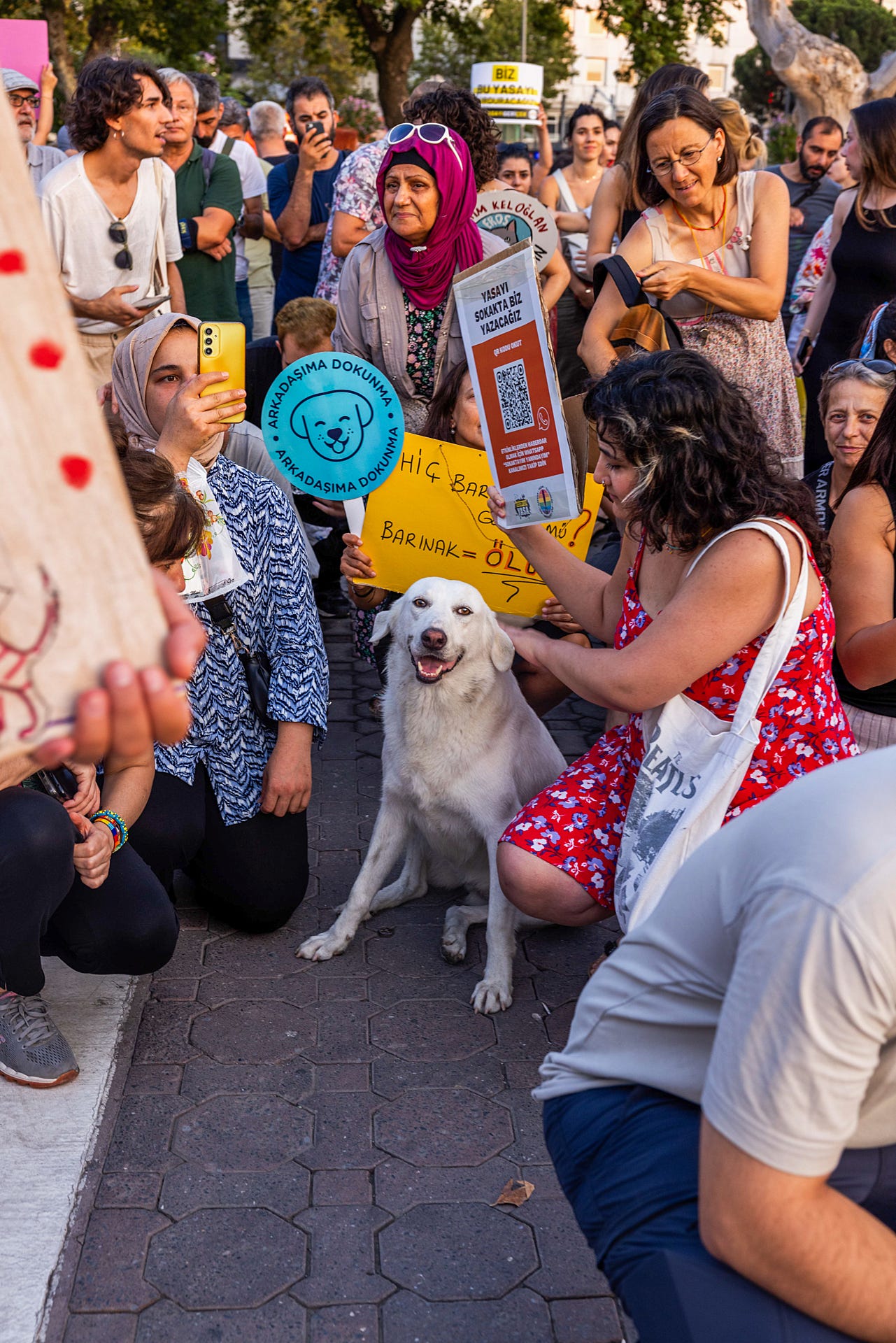
Why It Matters Now
In countries where mass killings, forced removals, and systematic neglect are justified under the language of public safety or urban management, international pressure is not optional it is essential. It creates accountability where none exists, delays irreversible actions, and sometimes stops them entirely.
Global awareness is not about politics. It is about survival. Every petition signed, every report shared, every voice raised adds to a growing demand for justice that authorities cannot easily dismiss.
International pressure does not replace local action. It amplifies it. And for animals trapped within broken systems, that amplification can be the difference between being erased in silence and being defended by the world.