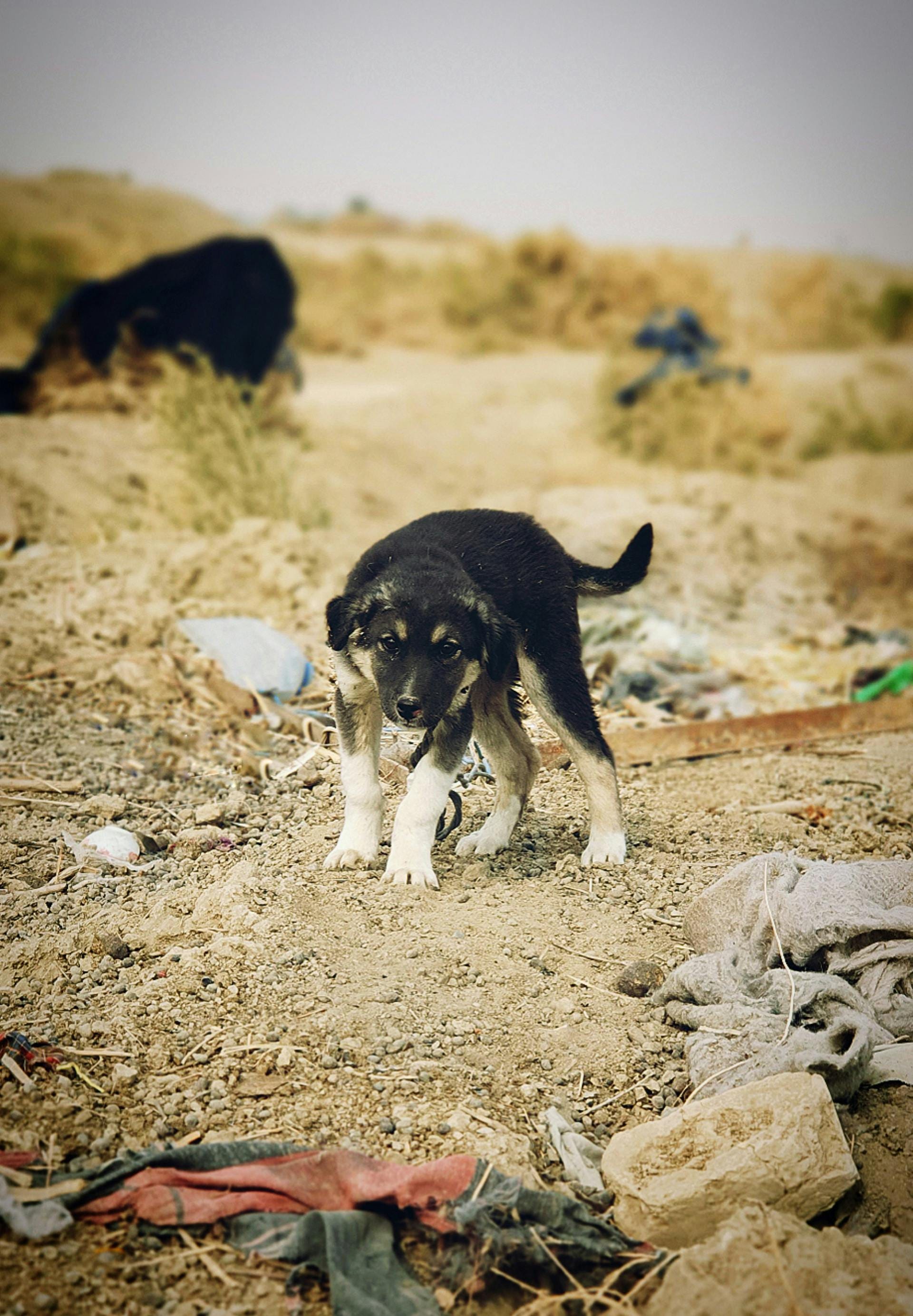
Jordan is not currently a full-scale stray dog crisis zone like Türkiye. There is no evidence of nationwide emergency dog removals, industrial-scale shelter expansion, or the kind of openly escalating collection system now dominating headlines elsewhere. But during 2025 and 2026, enough warning signs have emerged for Jordan to move onto Dog Desk Animal Action’s watch list.
The reason is not simply that stray dogs exist. Stray dogs exist in many countries. The concern is that Jordan is beginning to experience the same early-stage pressures that have preceded wider welfare crises elsewhere: growing public fear, political pressure to reduce visible dog populations, expanding municipal collection systems, and uncertainty over whether humane infrastructure can realistically absorb what may come next.
Reporting throughout the past year shows the debate around stray dogs intensifying significantly. Media coverage increasingly frames the issue through the language of danger, public safety, attacks, and urgent intervention. Reports describe residents demanding action from municipalities while local authorities face mounting pressure to respond visibly and quickly. Once that shift happens, the atmosphere around street dogs changes rapidly. The discussion stops being centred on coexistence and begins focusing on removal.
There is also growing evidence that organised collection activity is expanding. In 2025, Jordanian media reported what officials described as a large and unprecedented campaign to collect stray dogs from the streets of Salt. The reports described coordinated municipal operations, specialist teams, transportation systems, and the movement of dogs away from populated areas. More recent reporting during 2026 confirmed the establishment of collection sites, veterinary facilities, transport vehicles, and expanded municipal programmes linked to dog capture and management.
Importantly, Jordan is not publicly promoting mass killing as policy. Authorities have repeatedly stated that poisoning and shooting dogs are illegal, while municipalities increasingly promote sterilisation, vaccination, and ABC programmes. Official statements describe dogs being captured, sterilised, vaccinated, and returned to their territories.
Jordan is not currently following the openly aggressive removal trajectory seen in Türkiye. But humane language alone does not automatically remove the risks. The critical question is whether the systems being built can genuinely cope if political pressure intensifies further.
Jordanian officials have already acknowledged that building shelters across every municipality is financially unrealistic. Reports continue to reference funding limitations, infrastructure challenges, veterinary shortages, and growing complaint volumes. Rescue groups meanwhile describe shelters already operating under pressure.
Stray dog crises rarely begin with a government openly announcing that a system is failing. More often, they begin with rising public pressure to deal with dogs quickly. Collection programmes expand. Municipalities begin removing larger numbers from public spaces. But the infrastructure needed to absorb those dogs safely, shelters, veterinary care, funding, oversight and long-term capacity develop far more slowly.
That is the danger point. Because once removals begin accelerating faster than humane systems can realistically cope with, transparency becomes harder to maintain. Dogs disappear from the streets, but the public no longer sees where they end up, how they are being housed, or what happens when facilities reach capacity.
Jordan has not reached that stage. But some of the early pressures that often appear before larger welfare crises are now visible at the same time, growing public demands for action, expanding municipal collection activity, and ongoing questions around infrastructure and long-term capacity.
That does not mean Jordan is inevitably heading toward crisis. But it does mean the situation deserves close attention before the gap between removals and humane capacity becomes too large to manage safely.


