

Why Propaganda Groups Target Rescue Organisations
Understanding the motives behind coordinated attacks and why they matter.


Animal rescue organisations operate on compassion, transparency, and community trust. Their work is simple in intention yet monumental in impact: saving lives, educating the public, and improving welfare standards. And yet, in many regions, Turkey included these organisations increasingly find themselves in the crosshairs of organised propaganda groups.
These attacks aren’t random. They are calculated. And they thrive in the shadows created by misinformation, fear, and political opportunism.
In this post, we explore why propaganda groups target rescues, what they hope to gain, and how the sector can protect itself.

Rescues Challenge Narratives Built on Fear
Propaganda groups whether politically motivated, ideologically driven, or self-styled vigilantes often rely on portraying stray animals as a threat. Their narratives hinge on fear: fear of disease, fear of aggression, fear of chaos.
Rescue organisations, by contrast, bring truth, data, and lived experience:
They show that most street animals are gentle and non-aggressive.
They highlight the success of vaccination, sterilisation, and community care.
They provide evidence-based solutions instead of panic.
This directly threatens propaganda built on exaggeration and hate. When fear collapses, so does their influence.

Scapegoating Animals is Easier Than Addressing Systemic Failures
Propaganda groups often flourish where governments or municipalities feel pressure to solve complex social issues quickly. Stray animal populations, often the result of poor policy enforcement, abandonment, and lack of long-term planning, become an easy scapegoat.
Rescue organisations remind the public that:
Sustainable population control requires sterilisation, not slaughter.
Municipal failures not animals created the crisis.
Ethical solutions exist and work in other countries.
For groups seeking to divert blame or maintain the status quo, these truths are inconvenient. And so they attack the messengers.
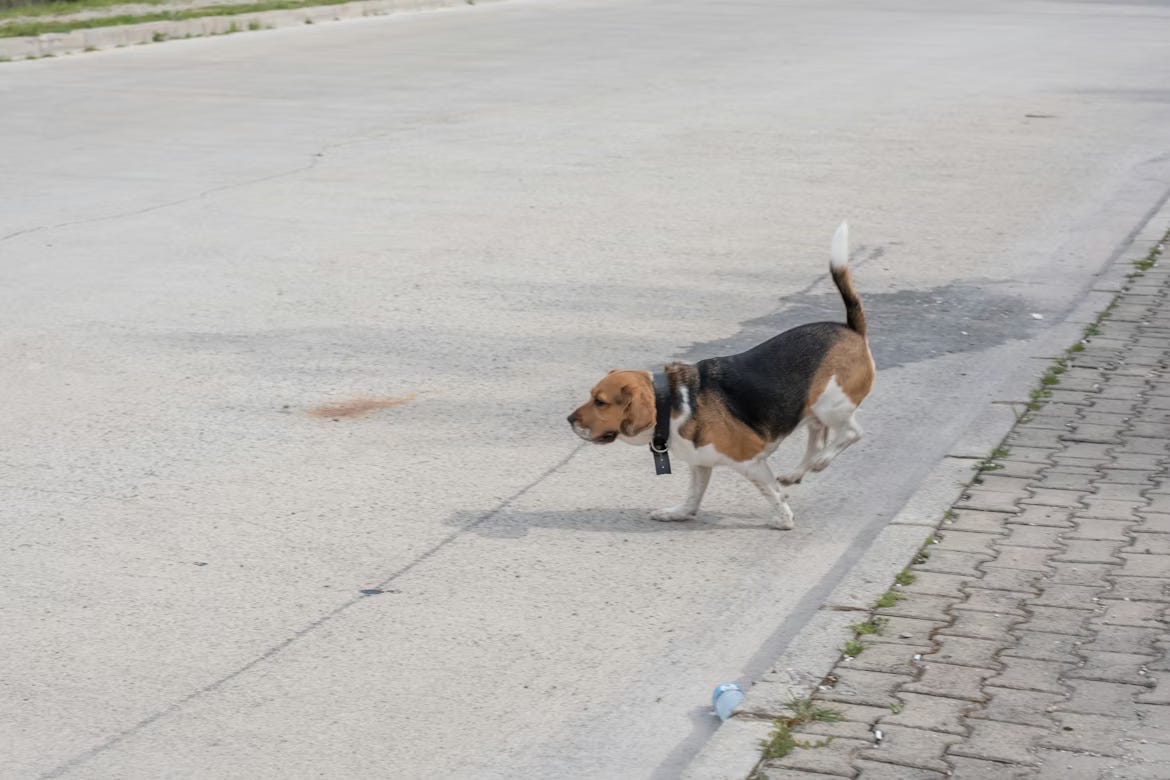
Rescues Humanise the Victims Propaganda Groups Dehumanise
To justify cruelty, violence, or mass euthanasia, propaganda groups must first devalue the victims.
They portray street dogs and cats as:
Dangerous intruders
Pests
Diseased nuisances
Enemies of public safety
Rescue organisations undo this instantly by giving animals names, stories, histories, medical records, and futures. They publish photos, updates, and transformations that evoke empathy.
Empathy is lethal to propaganda.

Rescues Expose Abuse and Some Groups Have a Stake in Hiding It
Some propaganda networks include individuals or groups who participate in or encourage violence against animals. When rescues expose poisoning, beating, trapping, or neglect, the evidence threatens not only the abusers reputations but also their ideological agenda.
Attacking rescues becomes a defence mechanism, an attempt to discredit those who reveal uncomfortable truths.
In extreme cases, propaganda groups actively operate alongside organised online hate communities (such as incel-aligned groups like C31K) where animal cruelty becomes part of their identity and online currency. Rescue organisations, by documenting cruelty and advocating for justice, become natural targets for these circles.
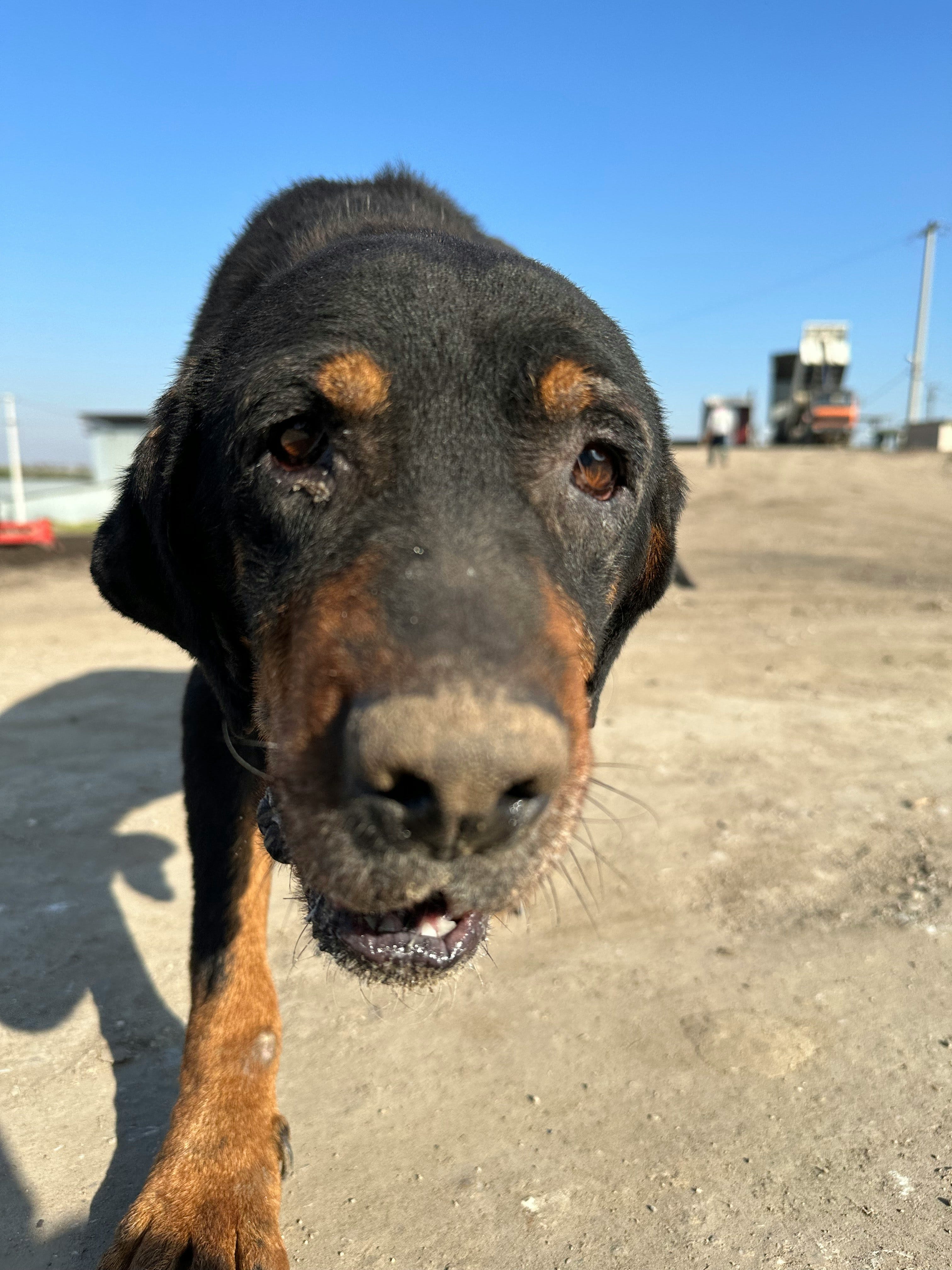
Targeting Rescues Creates Public Confusion and Confusion Is Power
Misinformation campaigns rarely aim to persuade everyone. Instead, they aim to overwhelm the public with chaos:
conflicting stories
doctored images or videos
selective statistics
fabricated allegations about rescues
When people are unsure whom to trust, propaganda groups fill the void with simplistic, extreme solutions such as round up the strays, kill them all, or ban rescues.
Confusion becomes a tool of control.

Attacks Diminish Support for Humane Policies
Propaganda groups benefit when the public loses confidence in humane organisations. If rescues are framed as:
corrupt
incompetent
foreign-funded
inhumane
part of the problem
Then support for ethical programmes from TNR (trap-neuter-return) to vaccination drives declines. This opens the door for harsher policies, including culling or mass incarceration of animals.
By discrediting rescues, propaganda groups reshape public opinion to accept cruelty as necessary.
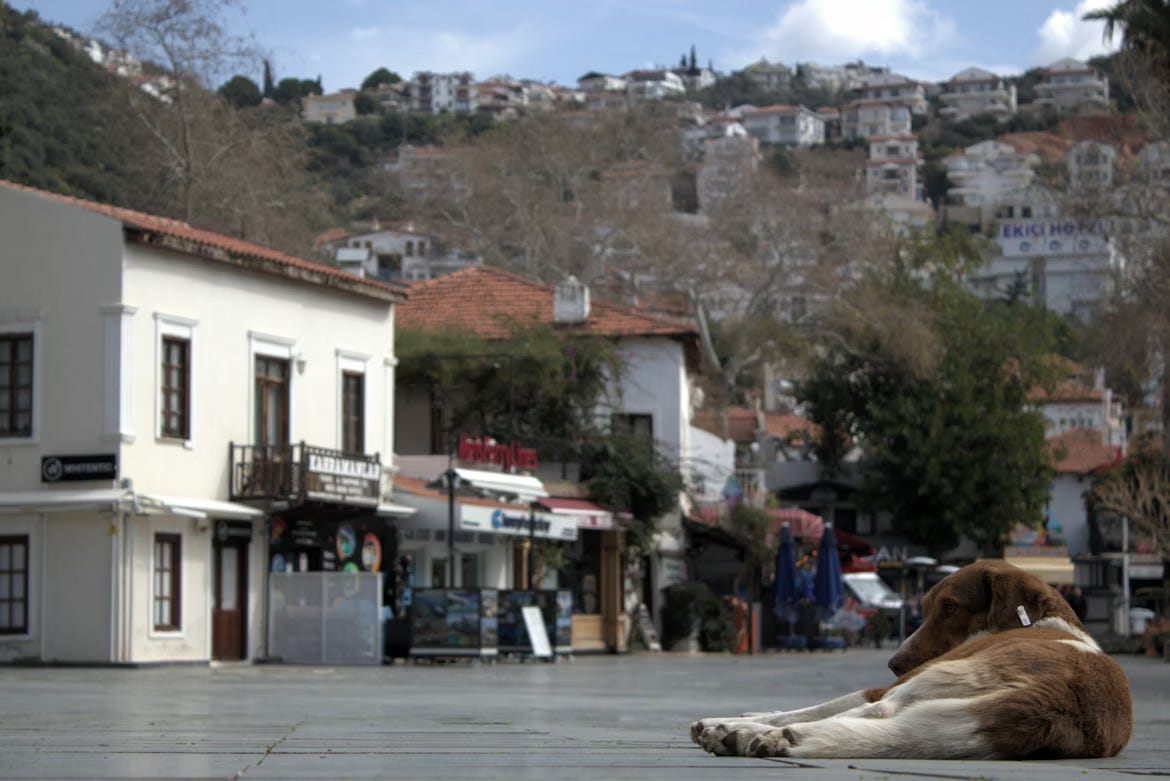
Rescue Organisations Represent Hope Something Propaganda Cannot Control
Propaganda thrives on despair and helplessness. Rescue organisations represent the opposite:
They demonstrate that grassroots action matters.
They show that compassion is still powerful.
They offer solutions rooted in community and responsibility.
Hope disrupts propaganda more effectively than any argument.
How Rescue Organisations Can Protect Themselves
To withstand targeted propaganda attacks, rescues must be:
1. Evidence-Based
Back claims with data, science, and global best practice.
2. United
Propaganda isolates rescue organisations should collaborate, share resources, and amplify each other.
3. Proactive
Address misinformation early, before narratives spread.
4. Story-Driven
Humans connect to stories. Real animals and real rescues counteract dehumanising propaganda.
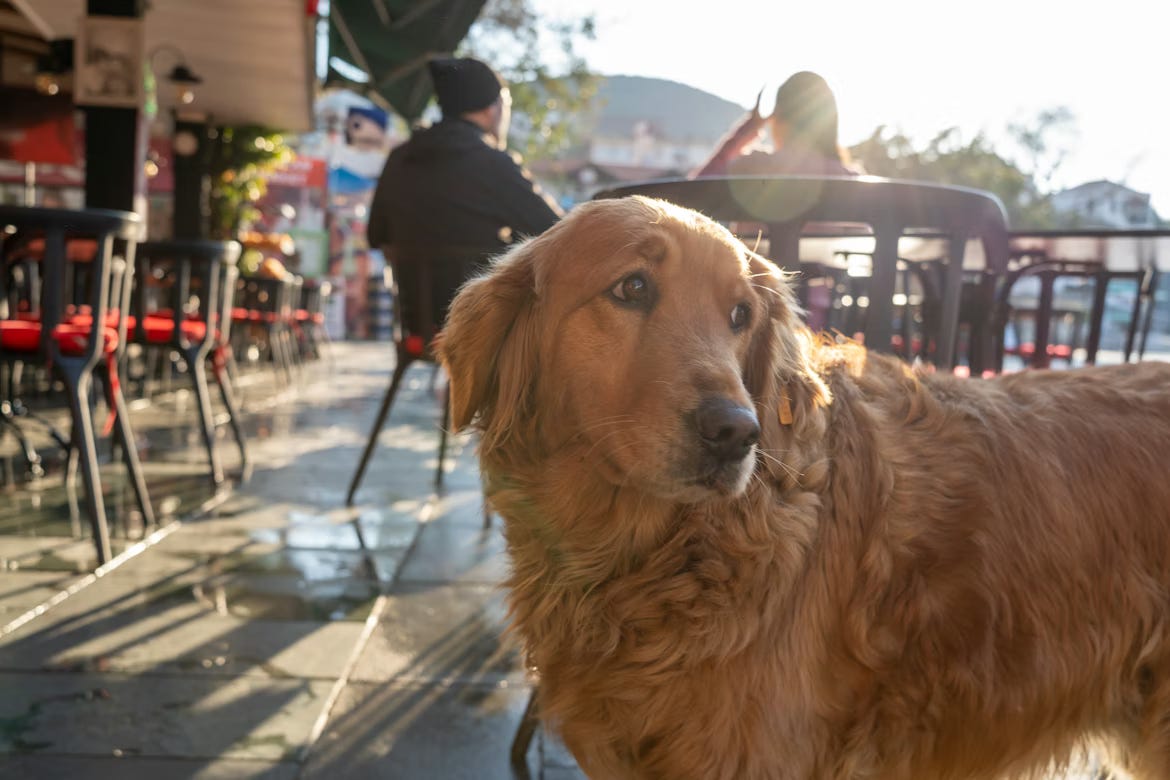
The Attacks Are a Sign of Strength, Not Weakness
Propaganda groups attack rescue organisations not because rescues are failing, but because they are succeeding.
Every animal saved, every sterilisation completed, every abusive practice exposed chips away at the fear-based narratives these groups depend on. The louder the propaganda becomes, the more threatened they feel.
Rescue organisations stand for compassion, truth, and humane progress and those values will always be targeted by those who benefit from division and cruelty.
But they are also values worth defending.