
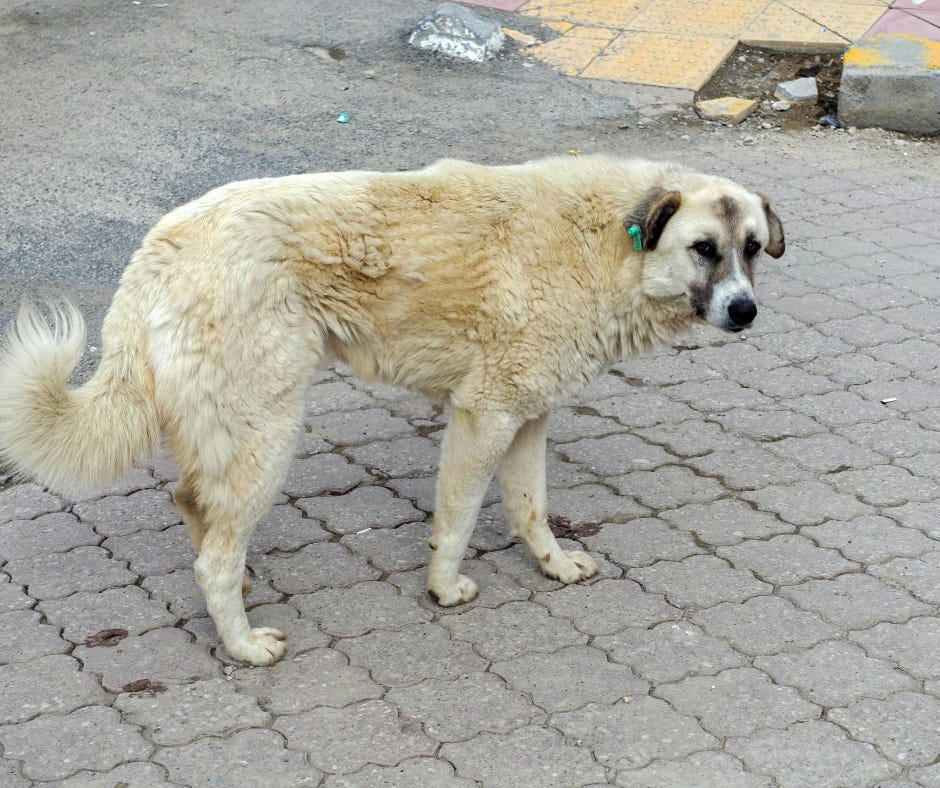
Why Public Safety Is Often Used to Justify Animal Cruelty
Public safety is one of the most powerful phrases in modern policy-making. It signals urgency, authority, and moral necessity. Once invoked, it shuts down debate because who would argue against keeping people safe?
Yet when it comes to animals, and stray dogs in particular, public safety is frequently not a solution. It is a shield. One that protects cruelty from scrutiny and allows violence to be reframed as responsibility.
A Phrase That Ends the Conversation
When dogs are harmed, removed, or killed under the banner of public safety, the implication is clear: there was no alternative. The threat was immediate. The response was necessary.
But these claims are rarely interrogated. Evidence is seldom presented. Long-term outcomes are ignored. The phrase itself becomes enough.
Public safety is used not to explain actions, but to excuse them.
Risk Without Context
Dog-related incidents are often presented without context, stripped of scale and probability. A bite becomes a crisis. A confrontation becomes proof of a wider danger.
Missing from the narrative are questions that matter:
Was the dog provoked or injured?
Was the area lacking waste management or sterilisation?
Had authorities ignored preventative measures for years?
By isolating the incident, responsibility is shifted away from systemic failure and placed squarely on the animal.
Selective Concern
True public safety considers all risk not just the risk animals pose, but the risk they face.
Stray dogs are hit by cars, poisoned, abused, and starved. They are exposed to disease precisely because preventive systems have failed. Yet their suffering is rarely framed as a safety issue, despite its direct impact on communities.
Cruel methods create more danger, not less. They destabilise dog populations, increase stress-related aggression, and undermine trust between people and animals. But these outcomes are invisible in fear-driven narratives.
The Illusion of Control
Mass removals, culling, and indefinite confinement create the appearance of action. They are visible, immediate, and politically convenient.
But they do not address root causes. They do not reduce population long-term. They do not improve coexistence.
They simply move the problem or hide it while causing immense suffering in the process.
Public safety becomes a performance, not a plan.
Who Pays the Price?
Dogs pay first.
Then rescuers, overwhelmed by emergencies.
Then communities, left with the same problems repeating year after year.
Meanwhile, the policies responsible for the harm remain unchallenged because they are protected by language that sounds reasonable and responsible.
Cruelty is sanitised. Accountability disappears.
What Real Public Safety Looks Like
Genuine public safety is proactive, not punitive. It is built on prevention, education, and responsibility.
It includes large-scale sterilisation and vaccination.
It includes enforcement against abandonment and abuse.
It includes public education on coexistence and animal behaviour.
Most importantly, it recognises that violence is not a substitute for governance.
Safety Should Never Require Suffering
When public safety is used to justify cruelty, it is no longer about protection it is about power, optics, and avoidance of responsibility.
A society that truly values safety does not achieve it by sacrificing its most vulnerable. It achieves it by addressing the failures that put everyone at risk in the first place.
Because safety that depends on suffering is not safety at all.


