
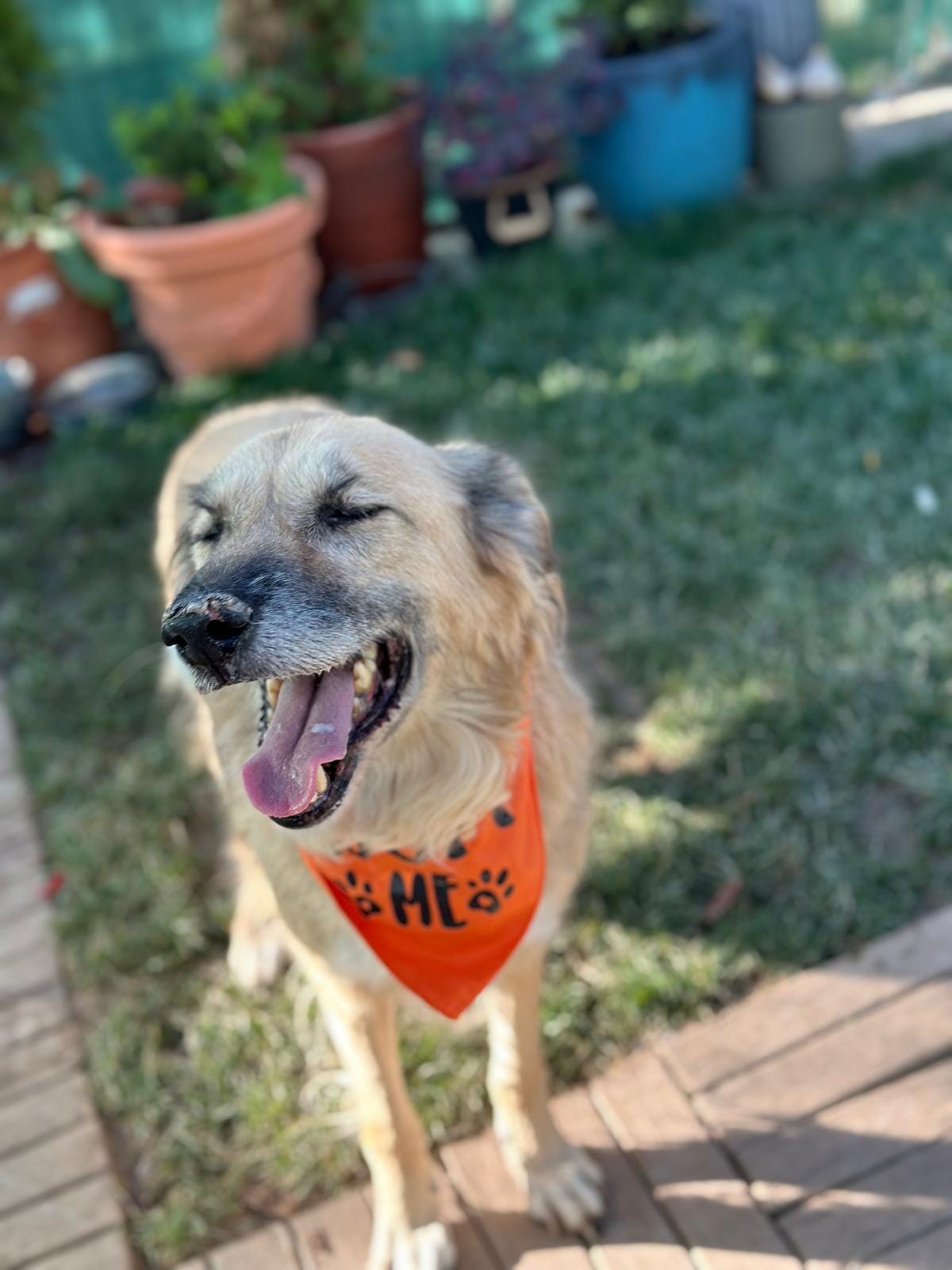
Why Rescue Changes How You See the World
At the beginning, rescue feels like an activity.
You help an animal. You arrange treatment. You celebrate recovery.
There is a clear start and finish, a problem and a solution.
But over time something shifts. You stop seeing individual cases and start seeing patterns. And once you see patterns, the world doesn’t look quite the same again.
You Notice What Others Don’t
Most people walk past a street and see movement.
You see posture.
A dog standing still but facing away from traffic, resting, not waiting.
A dog circling twice before lying down conserving heat.
A dog watching people but not approaching, learned distance, not aggression.
You stop reading animals as background and start reading them as information.
Noticing becomes automatic. You don’t choose to observe your brain simply learned a new language.
You Learn How Much Behaviour Is Context
Rescue removes the idea of good and bad animals surprisingly quickly.
The dog who growls is often the dog who had no warning before harm.
The dog who grabs food once went without it.
The dog who won’t approach hands learned hands can change mood without notice.
Behaviour stops feeling personal.
You realise most reactions are history speaking through the present moment.
Change the environment, and the behaviour changes with it.
It becomes harder to blame, in animals or people without asking what created the response.
Urgency Changes Scale
Small things stop being small.
A closed gate becomes a barrier. A heatwave becomes a risk map. A holiday weekend becomes an intake forecast. You begin to think in consequences instead of events.
While others see isolated situations, you see chains:
how one decision leads quietly to another weeks later.
It doesn’t make the world darker, just more connected.
Comfort Becomes Visible
You start noticing comfort the way you once noticed distress.
A deep sleeping dog in daylight feels remarkable. A relaxed posture looks like success. An uneventful day becomes meaningful.
Rescue shifts your idea of progress. Dramatic recoveries matter, but stability matters more. Safety stops being ordinary.
Time Feels Different
Before rescue, outcomes feel immediate. After rescue, patience becomes practical.
Healing rarely follows a schedule. Trust rarely forms in a straight line.
You learn to measure improvement in smaller ways:
a shorter hesitation
a softer eye
choosing to stay instead of leaving
You become comfortable with slow change because you’ve seen how permanent it becomes.
Responsibility Expands
Eventually the boundary between “yours” and “not yours” blurs.
You cannot unknow what neglect looks like. You cannot unsee preventable harm.
And awareness quietly becomes obligation.
Not heroic responsibility, just a steady awareness that action is possible.
You don’t save everything. But you stop assuming someone else will.
Hope Becomes Practical
Rescue is often described as emotional work, but it is actually observational work.
You watch fear turn into habit, habit turn into expectation, expectation turn into trust.
After seeing it repeatedly, hope stops being abstract optimism. It becomes a predictable outcome of consistency.
You no longer believe things improve because they should. You believe they improve because you’ve watched the mechanism happen.
The Lasting Change
The biggest difference is not sadness or worry. It is perspective.
You realise how much of life human and animal depends on predictability, safety, and time. Behaviour stops being mystery and starts being response.
The world becomes less random.
And once you see that, rescue follows you everywhere, not as a burden, but as understanding.
You don’t just look at animals differently.
You look at everything as something shaped by experience, waiting to respond differently if the conditions finally allow it.


