
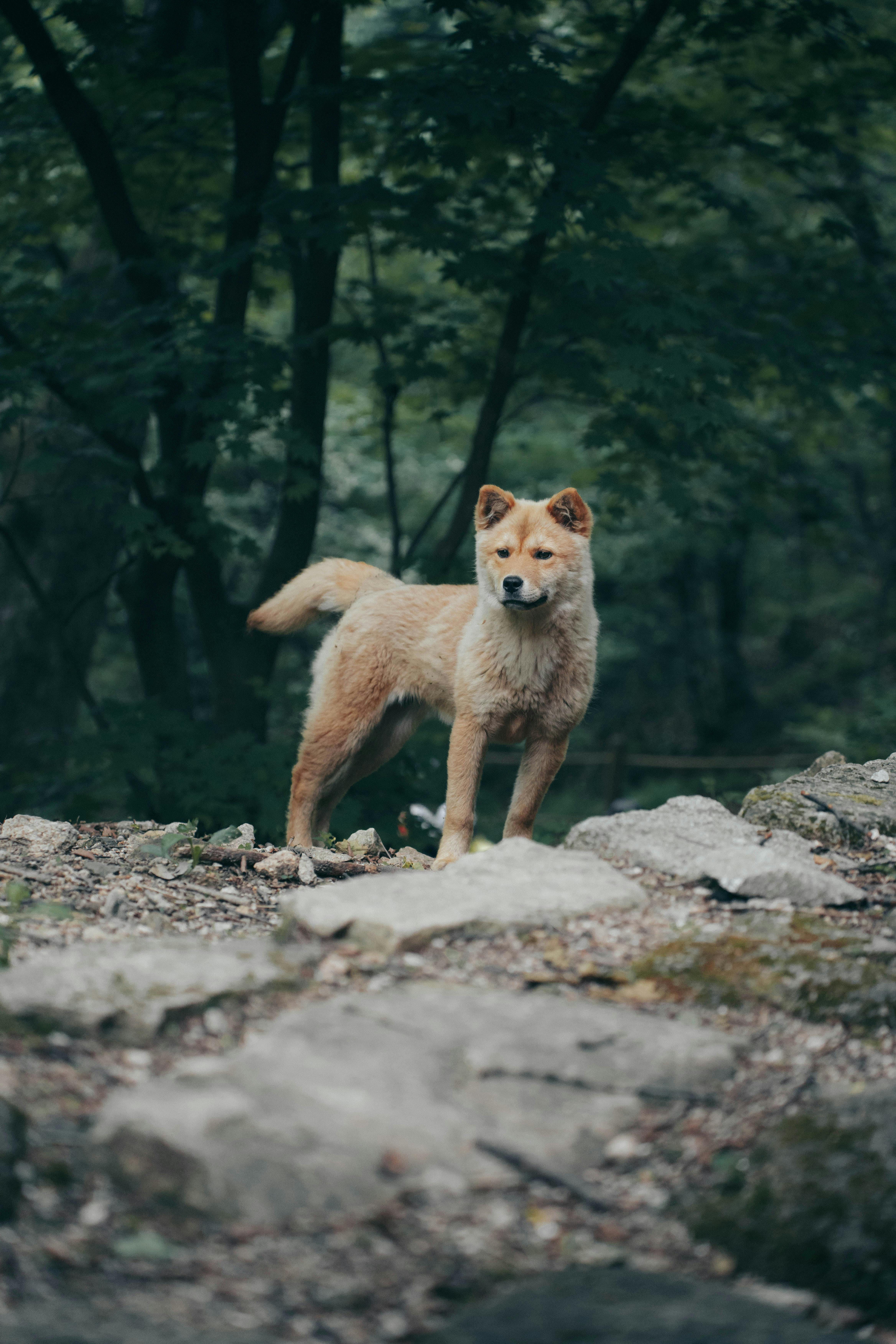
The concern with South Korea is not mass street-dog removal on the scale seen in other countries. The concern is what happens when large numbers of abandoned dogs, shelter dogs and dogs leaving the meat industry all need humane outcomes from a system that is already under pressure.
South Korea has made one of the most significant animal welfare decisions in recent history. In January 2024, its parliament passed a law to end the breeding, slaughter and sale of dogs for meat, with the ban due to take effect in 2027. That law represents a major cultural and political shift.
But the end of one form of suffering does not automatically create safety for the dogs affected by it. There is a question now facing South Korea. Where will the dogs go?
South Korea already has an abandoned-animal shelter system under strain. Local government shelters reportedly took in more than 113,000 abandoned or lost animals in 2023. Reporting from Seoul also shows how serious the outcome problem can be: of 5,176 abandoned pets found in the city in 2023, 2,181 either died or were euthanised in conventional shelters.
The dog meat ban is a historic step forward, but it creates an immediate welfare test. Government plans have referred to nearly half a million dogs needing rehoming, shelter placement or other outcomes as the industry winds down. Reuters reported in September 2024 that South Korea planned incentives and subsidies to help breeders, farmers and restaurants close before the 2027 deadline, with dogs to be rehomed through adoption or shelters.
That is a huge practical challenge.
By June 2025 around 623 of South Korea’s 1,537 dog farms had shut since the law passed, but campaigners remained concerned that many dogs still had uncertain futures, particularly because some are large breeds with limited adoption prospects.
South Korea is trying to end a cruel industry. That should be recognised. But the measure of success will not only be whether dog meat disappears from sale. It will be whether the dogs themselves survive the transition.
A welfare policy is not complete when the law changes. It is complete when the animals affected by that law have somewhere safe to go.


