
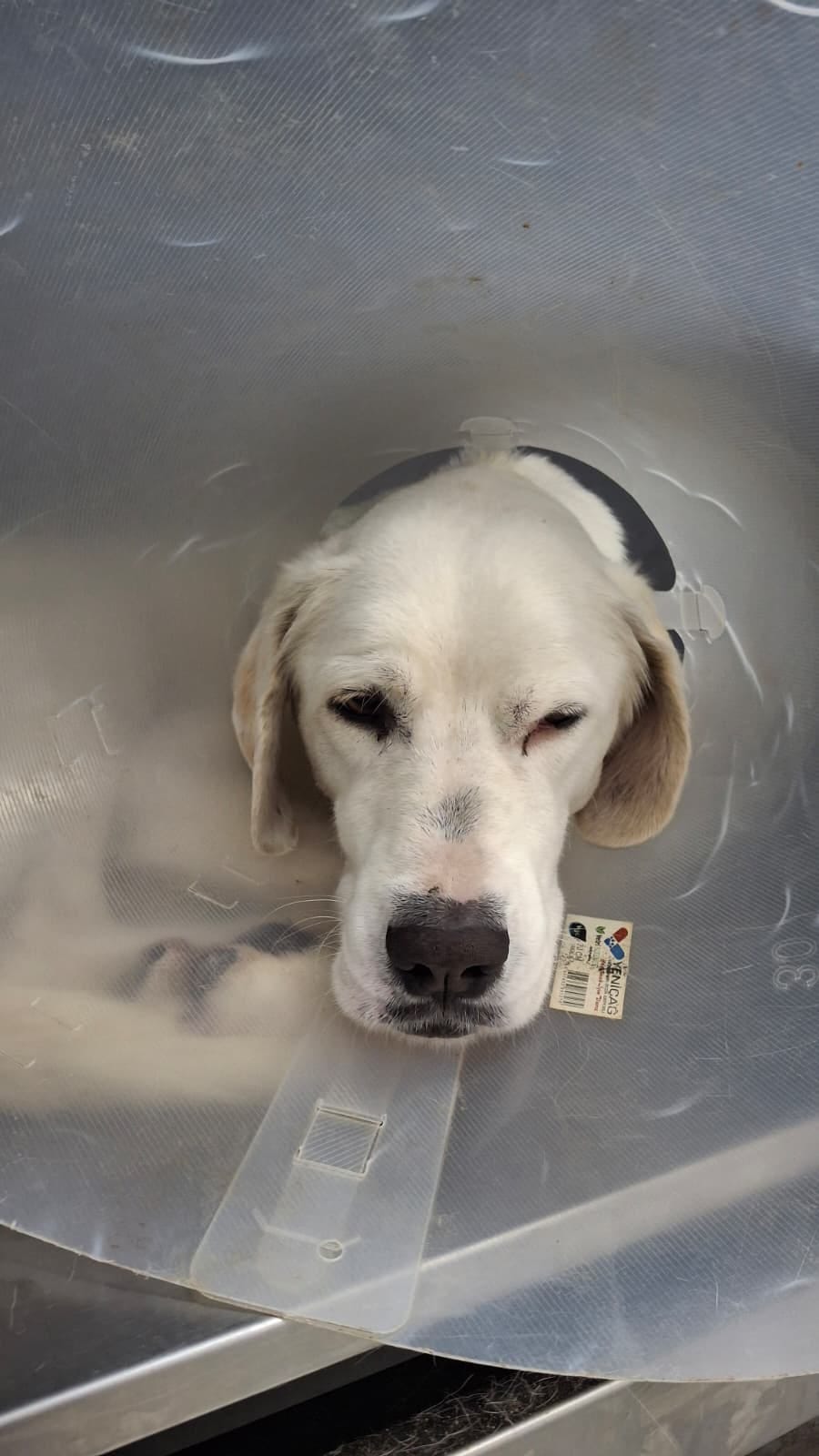
The hidden biology behind recovery
When a pet dog is injured, recovery often follows a pattern. Treatment begins, rest follows, healing progresses.
With street-born dogs, it is rarely so straightforward.
Two dogs can receive identical veterinary care, the same surgery, the same medication, the same nutrition yet one improves quickly while the other lingers in a slow, uneven recovery. It can look mysterious, even worrying.
But the difference usually isn’t the wound. It’s the history carried inside the body.
Healing Requires Safety Not Just Treatment
Tissue repair is controlled by the nervous system as much as by the immune system.
The body has two primary operating modes:
Survival mode – alert, reactive, energy directed toward immediate function
Recovery mode – restorative, energy directed toward repair
Street dogs have spent their lives prioritising survival mode. Their bodies learned that stillness can be dangerous.
After rescue, even in a quiet space, the brain does not instantly change its expectations. The environment may be safe but the nervous system has not confirmed it yet. And a body preparing to react does not fully invest in healing.
The Role of Stress Hormones
Long-term uncertainty keeps cortisol levels elevated. Cortisol is useful for escaping danger, but costly for recovery.
High cortisol:
suppresses immune response
slows collagen production
reduces appetite efficiency
interferes with sleep depth
In other words, the body stays functional but postpones repair. This is why some newly rescued dogs appear physically stable yet wounds close slowly, infections linger, or energy returns gradually. Their biology is still budgeting for tomorrow’s emergency.
Pain Behaves Differently in Survival Animals
Animals that must keep moving cannot afford obvious vulnerability.
Street dogs often mask pain not by choice, but by adaptation.
Adrenaline dulls discomfort, allowing them to walk, search, and react despite injury.
After rescue, when adrenaline drops, pain becomes visible.
To us it can look like deterioration. In reality, it is the first safe expression of injury.
The body is finally acknowledging damage it previously had to ignore. Healing begins only after that acknowledgement.
Nutrition Is Only Part of Recovery
Even with good food available, some dogs struggle to gain weight or rebuild muscle quickly. This is not stubbornness or poor appetite.
Chronic stress alters digestion and nutrient absorption. The body prioritises immediate energy over storage and repair. Calories are used to maintain alertness rather than tissue growth.
Over time, often weeks metabolism recalibrates. Then weight increases and coat quality improves almost suddenly.
The delay is neurological, not dietary.
Movement vs Rest
Veterinary recovery plans depend on controlled rest.
For a dog who survived by staying aware, rest is learned behaviour. Many street dogs remain lightly alert during sleep, waking frequently and repositioning. The deep sleep phase where most repair hormones release comes later in rehabilitation.
You often see the turning point:
one day the dog finally sleeps heavily, stretched out, unresponsive to small sounds.
From that point, healing accelerates.
Why Progress Suddenly Speeds Up
Rescuers frequently notice a pattern:
Weeks of minimal change
Then rapid improvement
This isn’t coincidence.
It is the nervous system switching from protection to restoration.
Once the brain predicts safety, the body reallocates resources.
Inflammation settles. Appetite strengthens. Tissue repair accelerates.
The medical treatment did not suddenly start working the body finally allowed it to.
Emotional Recovery Is Physical Recovery
Healing is not just closing a wound. It is the body deciding the future matters.
Street dogs heal slower because their biology was shaped to survive the present, not invest in tomorrow. When tomorrow becomes reliable, physiology changes.
That is why patience is part of treatment.
Medication repairs tissue. Consistency repairs expectation.
And when expectation changes, the body follows.
What Slow Healing Really Means
A slow recovery does not mean the dog is weak. It means the dog was prepared for a hard life.
Each day of safety teaches the body a new calculation:
energy no longer needs to be saved for escape.
Eventually the system believes it.
And when it does, healing, often surprisingly quickly, finally begins.


