
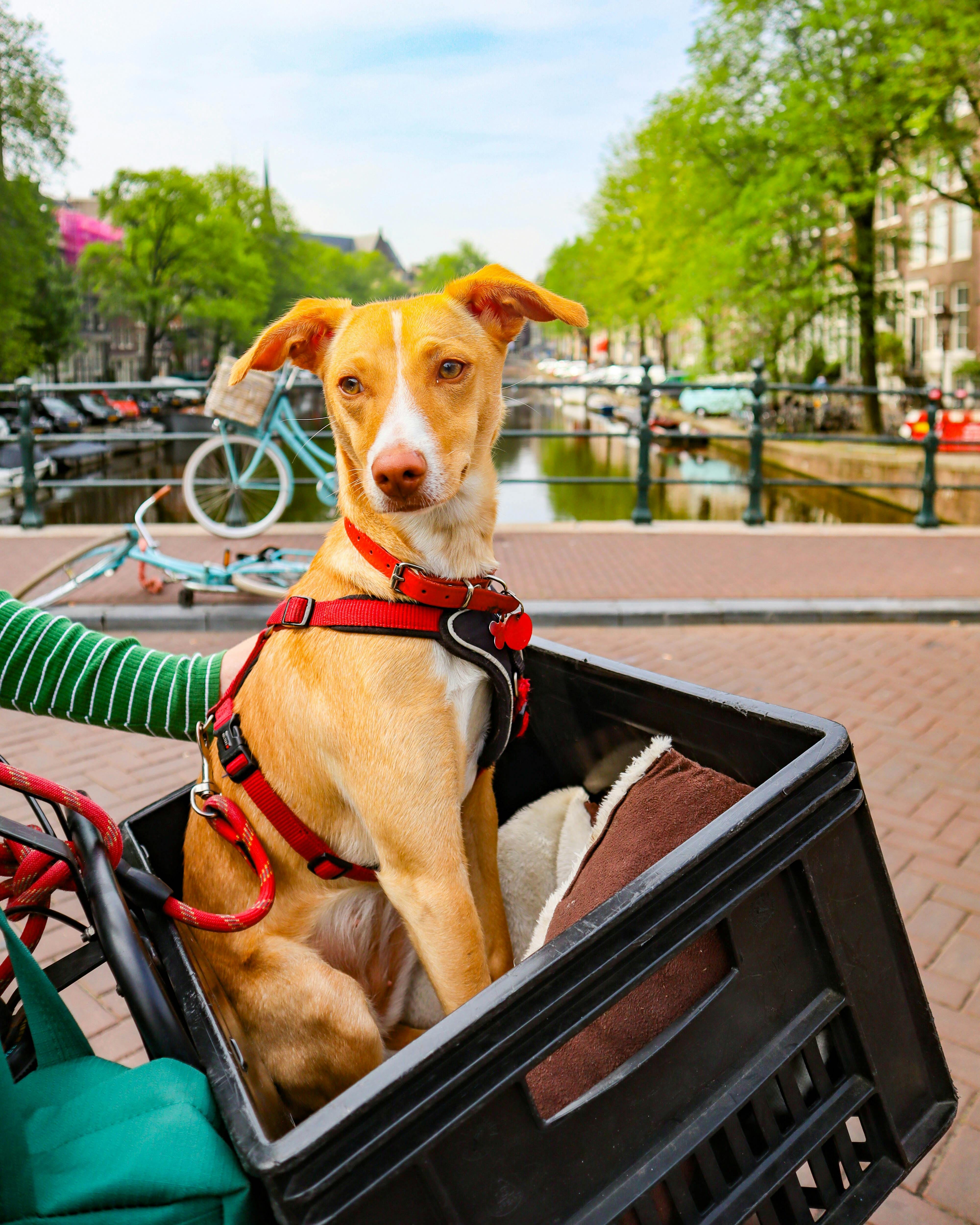
Much of Dog Desk Animal Action’s Shelter Pressure project focuses on countries where shelters are struggling to absorb the number of animals entering their care.
In some countries, that pressure results in overcrowding. In others, it contributes to euthanasia. Elsewhere, it raises concerns about long-term welfare, capacity and the ability of shelters to meet demand.
The Netherlands presents a very different picture.
That does not mean the country has solved every animal welfare problem. No country has. Shelters still exist. Dogs are still surrendered. Animal welfare organisations continue to carry out important work every day.
However, when assessed against the indicators used throughout this project, the Netherlands does not currently show evidence of significant national shelter pressure.
Unlike the United States, there is no indication that large numbers of dogs are being euthanised because shelters cannot cope. Unlike South Korea, there is no major policy transition placing additional strain on the shelter system. Unlike Australia, there is little evidence of growing concern that capacity pressures could develop into something more serious.
Instead, the Netherlands is frequently cited as one of the countries that has successfully maintained a relatively small shelter population while achieving high levels of responsible ownership and animal welfare oversight.
The result is a shelter system that appears largely insulated from many of the pressures affecting other parts of the world.
That does not mean Dutch shelters never face challenges. Individual organisations can still experience local pressures, financial constraints and fluctuations in demand. But these issues do not appear to be driving a wider national conversation about overcrowding, euthanasia or shelter capacity.
The purpose of this project is not to identify countries with perfect animal welfare systems. It is to identify countries where shelter pressure is becoming a significant risk factor for dogs. At present, the Netherlands does not appear to meet that threshold.
In many ways, it represents the opposite end of the spectrum from countries such as the United States and South Korea. Rather than asking how shelters can cope with growing numbers of animals, the Dutch experience raises a different question:
What can other countries learn from systems that have avoided severe shelter pressure in the first place?
That may ultimately be just as important as understanding where the risks are emerging.
A global picture of dog welfare should not only highlight areas of concern. It should also identify examples where the warning signs are largely absent and explore why.
For now, the Netherlands remains one of those examples.


