

Why Were 26-Day-Old Puppies Mutilated for Sale in Antalya?
Animal welfare advocate İbrahim Kaya exposes illegal breeding operation involving alleged puppy mutilation in Antalya

The case
There has been an investigation into an unlicensed dog breeding operation in the Varsak Menderes neighbourhood of Kepez, Antalya Turkey
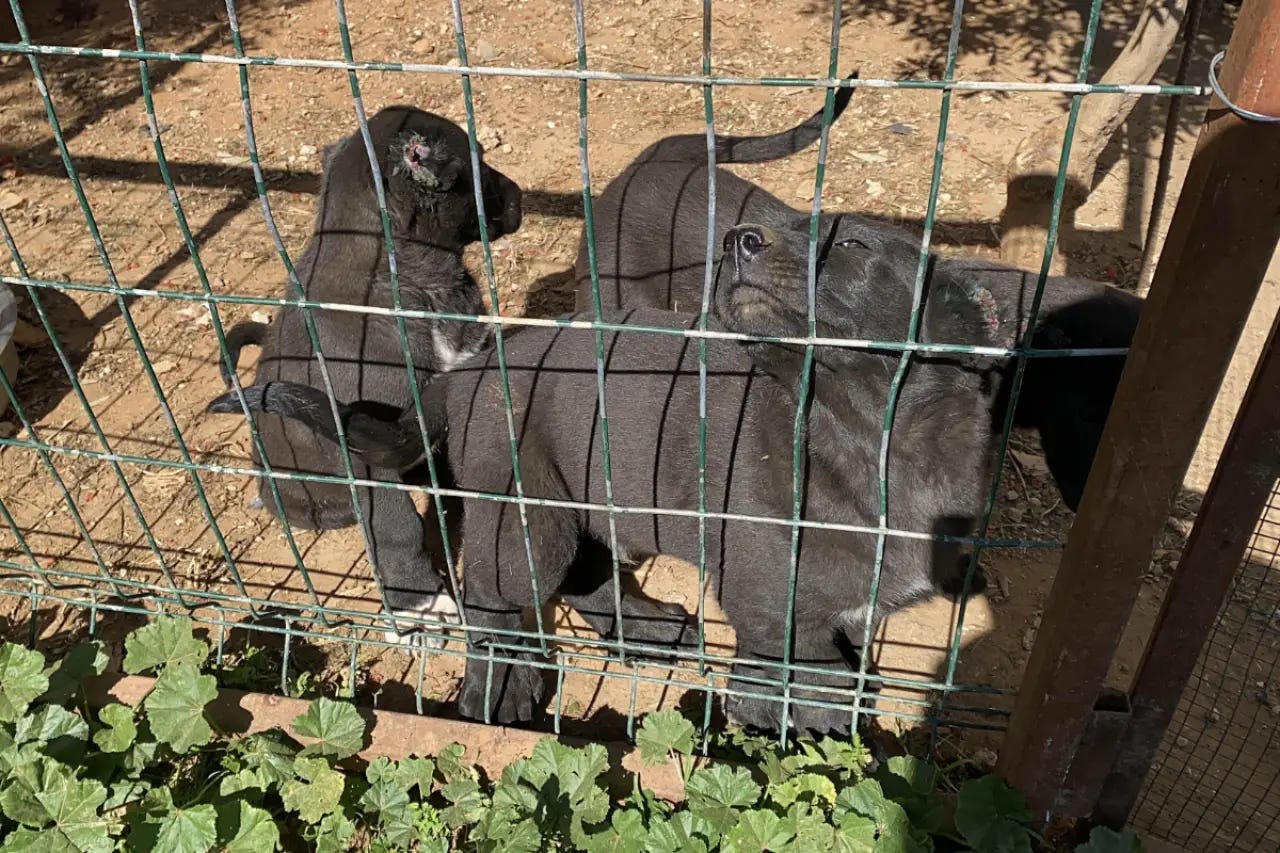
The case centres on allegations that 26-day-old puppies had their ears cut off and were being prepared for sale.
Animal rights advocate İbrahim Kaya became suspicious after observing large numbers of dogs at the location. Upon further investigation, he reported that:
Approximately 20 dogs and 6–7 puppies were present
The puppies had allegedly been separated from their mothers at 26 days old
Their ears had been cut off
The puppies were being offered for sale at 30,000–40,000 TL each
Following his complaint, authorities carried out an inspection.
What the inspection confirmed
Teams from the Kepez District Directorate of Agriculture and Forestry attended the property.
Their findings were clear on one point:
The operation was unlicensed and illegal
As a result, the business was issued an administrative fine of:
327,623 TL
However, a key detail sits alongside this enforcement action. According to Kaya, the puppies in question were no longer present at the time of inspection.
“After we brought the issue to light, these dogs were either sold or taken elsewhere.”
What was not found
The absence of the puppies matters. It means:
The animals at the centre of the allegations were not examined during the official inspection
Their condition could not be formally documented by authorities at that stage
Their current whereabouts remain unclear
This creates a gap between:
what was reported
and what could be directly verified during enforcement
Scale of activity
Kaya also stated that the individual operating the facility claimed to have:
Sold 43 dogs in one month
At the reported prices, this suggests:
A potential turnover of approximately 1.3 million TL
Whether independently verified or not, this claim points to something beyond small-scale activity.
It indicates a high-volume sales operation.
The question of deterrence
The outcome of this case rests on a familiar pattern:
Illegal production identified
Administrative fine issued
Animals no longer present
Kaya has argued that penalties at this level are not acting as a deterrent, particularly where:
demand remains high
sale prices are significant
and turnover can be rapid
His position is direct:
“As long as this type of breeding continues, it is impossible to control the street animal population. The cycle of breeding and abandonment continues.”
Where this sits in the wider picture
This case does not stand in isolation.
It highlights a parallel system that exists alongside public debates about free-roaming dogs:
Dogs are bred
Sold at high prices
and, in some cases, later abandoned
Efforts to control street populations cannot be separated from:
how dogs are produced
how they are sold
and how quickly they move through that system
Conclusion
This case raises two distinct but connected issues:
An unlicensed breeding operation has been confirmed and fined
Allegations of early separation and ear cutting were reported but not directly verified during inspection due to the absence of the puppies
The enforcement action addresses the legality of the operation. It does not resolve what happened to the animals at the centre of the report. And it does not answer the wider question:
If production continues at this scale, how is the cycle expected to end?