
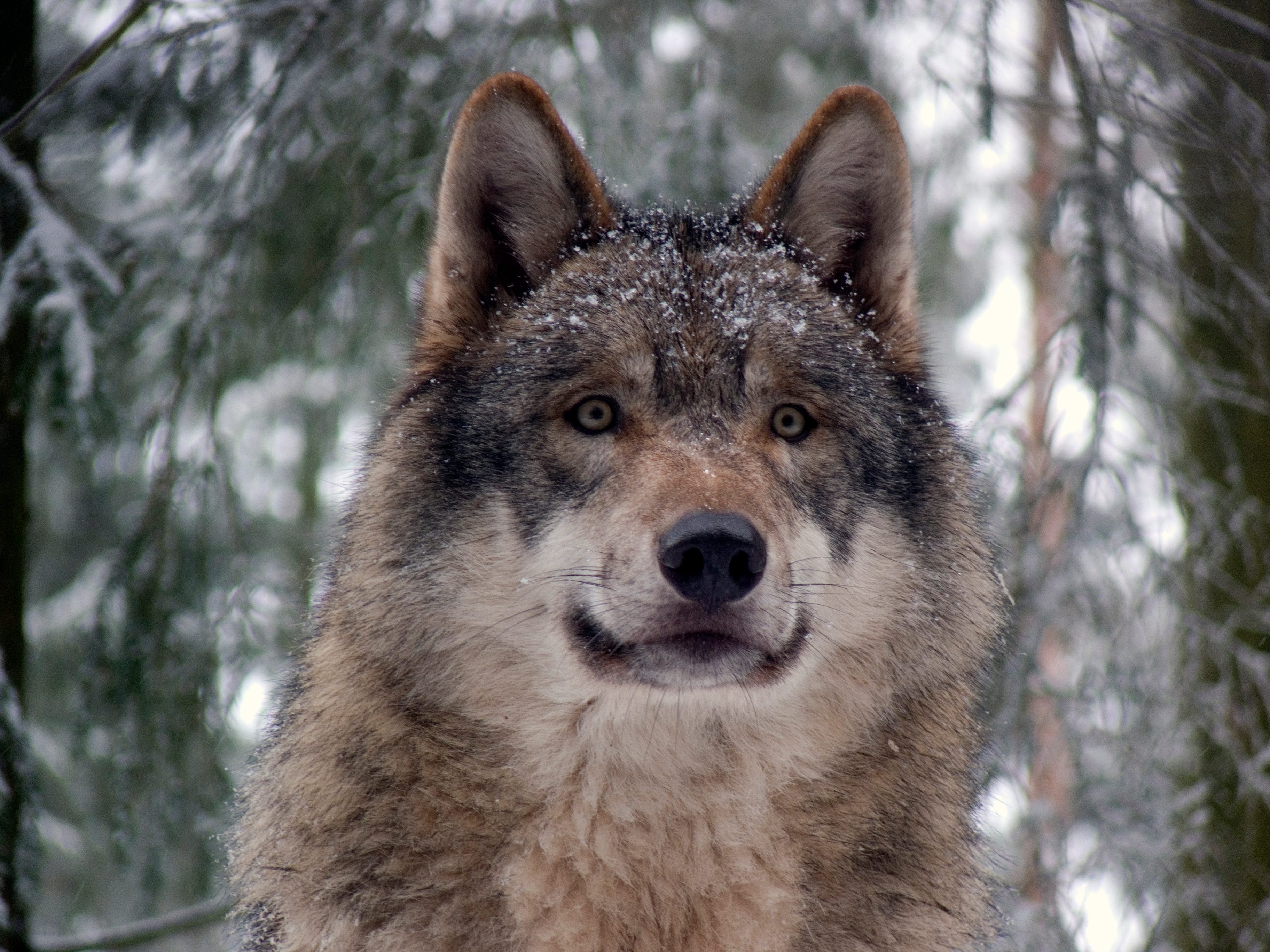
Wolf (Bozkurt): The Ancestral Symbol of Courage and Origin in Turkic Mythology
Among the many animals that have shaped human imagination and identity, few hold as profound a place in the collective memory of a people as the wolf does for the Turkic world. Known as Bozkurt the “Grey Wolf this powerful creature is not merely a symbol of strength or bravery; it is the mythical ancestor and spiritual guide of the Turkic nations, embodying origin, survival, and destiny itself.
At the heart of this symbolism stands the ancient legend of Asena, the she-wolf who gave birth to a people.
The Myth of Asena: Birth of a Nation
According to early Turkic myths, after a devastating battle, a young boy was left as the sole survivor of his tribe. Wounded and abandoned, he would have perished had he not been found by a she-wolf. This wolf, Asena, carried him to safety, nurtured him, and later bore him sons. From these sons, the first Turkic clans were born. In this narrative, the Turkic people do not simply revere the wolf they descend from her.
Asena is not portrayed as a wild beast to be feared, but as a protective, wise, and almost sacred mother figure. She represents resilience in the face of destruction and the promise of renewal after catastrophe. Through her, the wolf becomes the symbol of continuity, guidance, and the unbroken thread of ancestry.
Courage, Freedom, and the Steppe
The natural qualities of the wolf further reinforce its symbolic power. Wolves are known for their endurance, intelligence, loyalty to their pack, and their ability to survive in the harshest environments, qualities that resonated deeply with the nomadic Turkic tribes of the Eurasian steppes.
Living in vast open lands, dependent on mobility, unity, and strategic strength, these communities saw in the wolf a reflection of their own way of life. The Bozkurt came to represent:
Courage in battle
Independence and freedom of the open steppe
Leadership and unity within the pack
Alertness and strategy against enemies
Thus, the wolf was not only an ancestor in myth but a model of ideal conduct in life.
The Grey Wolf as a Guiding Spirit
In many versions of Turkic legends, the Bozkurt does more than give birth it guides. During migrations, wars, and times of peril, a mystical grey wolf appears to lead the people toward safety or victory. This transforms the wolf into a spiritual compass, a being that connects the earthly world with destiny.
The colour grey itself carries meaning: it symbolizes the balance between light and darkness, wisdom born from experience, and the threshold between worlds. The Grey Wolf stands at this threshold, a bridge between the human and the divine, the past and the future.
A Symbol That Endures
Across centuries, the Bozkurt has remained one of the most enduring symbols in Turkic culture. It appears in epic poetry, folklore, ancient banners, and modern iconography. While interpretations have evolved, the core meaning remains unchanged: the wolf is the embodiment of origin, courage, and collective memory.
To speak of the Bozkurt is to speak of a people’s understanding of themselves not as conquerors alone, but as survivors, guided by instinct, unity, and an unyielding will to endure.
The Wolf, or Bozkurt, is far more than a national animal. Through the myth of the she-wolf Asena, it becomes the ancestral mother, the guardian of continuity, and the eternal guide of the Turkic people. Symbolizing courage, freedom, and origin, the Grey Wolf stands as a reminder that identity is not only written in history, but also in legend and that sometimes, a nation’s soul is carried on four silent paws across the steppe.


