


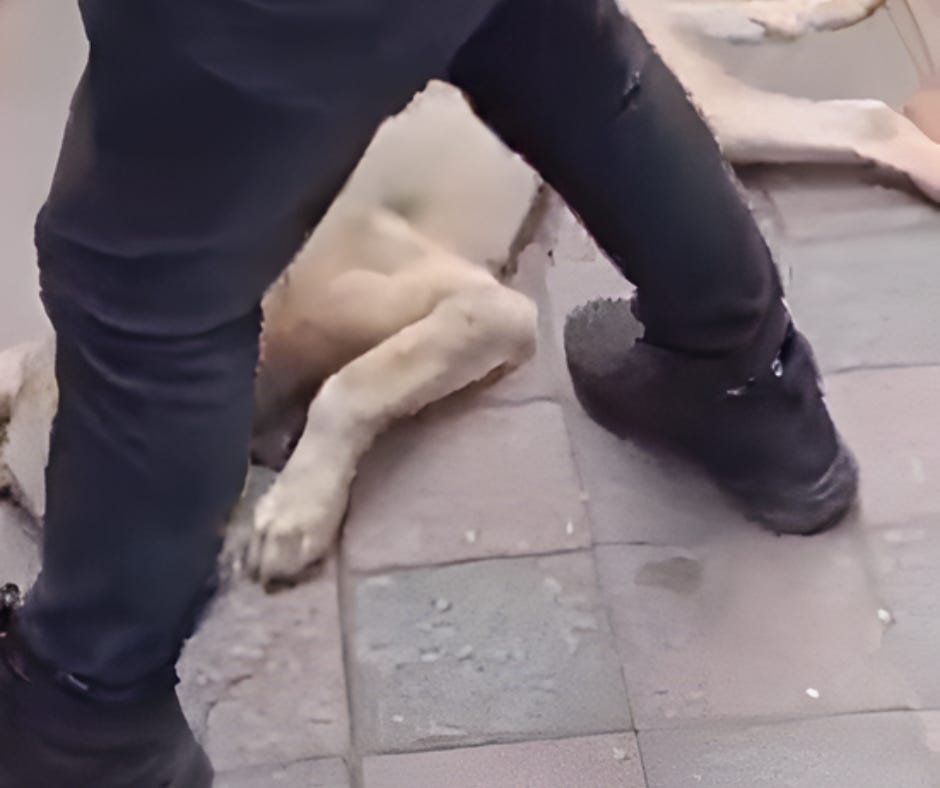
In Zonguldak, Turkey, disturbing footage of municipal workers injecting and roughly handling a dog has caused public anger and disbelief. The images show a dog being forcibly subdued before being taken away in a municipal vehicle.
The municipality has claimed that the dog was sedated because it was suspected of mange and aggression. However, the incident has raised far more questions than it has answered and once again, the animal’s welfare appears to be the last consideration
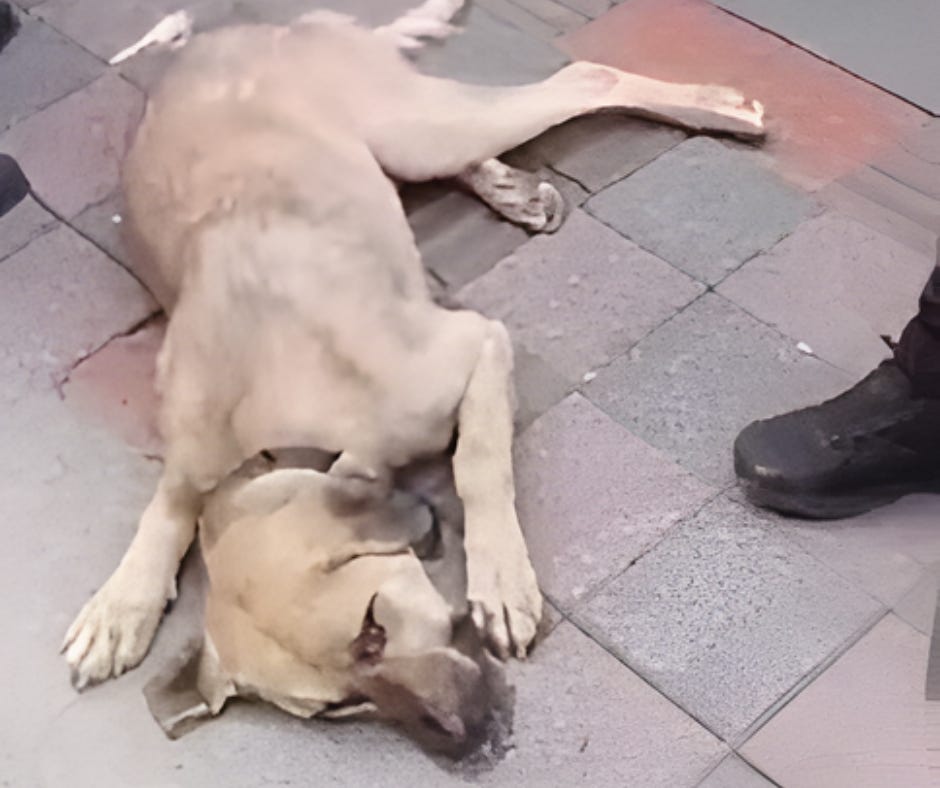
The Routine Use of Drugs to Capture Dogs
Across Turkey, the use of sedative injections during dog collection has become alarmingly routine. What should be an exceptional, last-resort method is often used as a standard procedure, regardless of risk. Improper dosages, inadequate veterinary supervision, and rough handling can cause panic, injury, or even death.
In this case, witnesses say the dog was visibly distressed before collapsing after being injected. The disturbing normalisation of chemical capture demands scrutiny: are these sedations carried out by qualified veterinary staff? Are the drugs appropriate and safely administered? Who monitors the animals’ recovery?
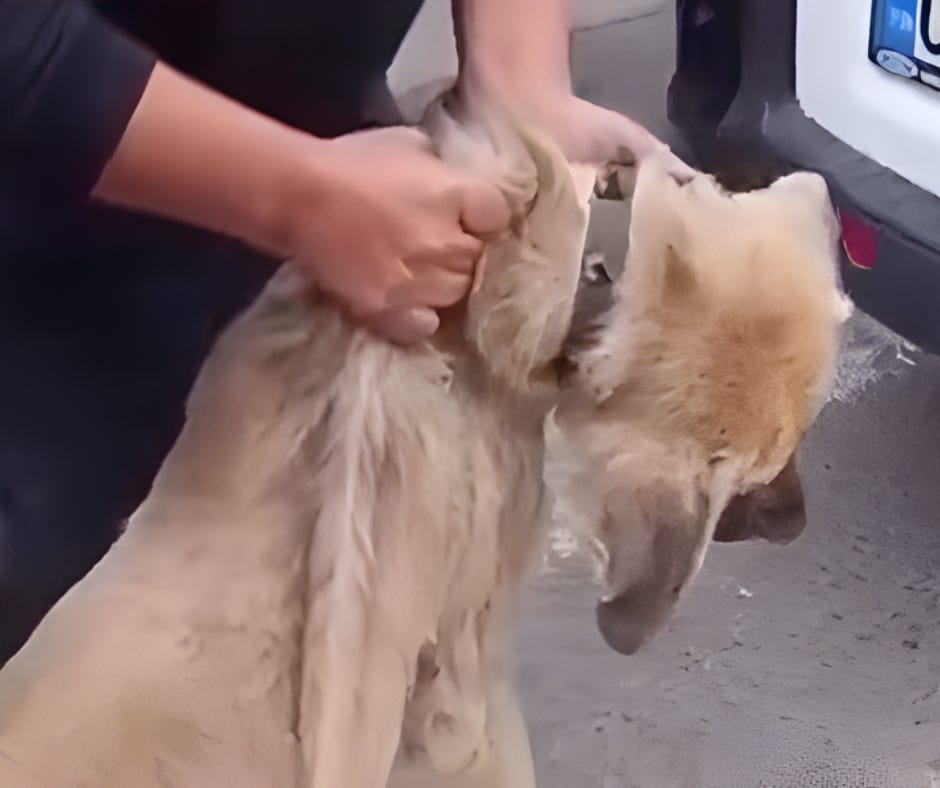
How Are Dogs Assessed for Aggression?
The municipality justified its actions by claiming the dog was aggressive. But how is such aggression determined? By what professional criteria, and by whom?
Street dogs often react out of fear especially when approached by strangers wielding nets and syringes. A frightened reaction does not equate to aggression. Without transparent behavioural assessment protocols or veterinary observation, the label of aggressive becomes a convenient excuse for heavy-handed intervention.
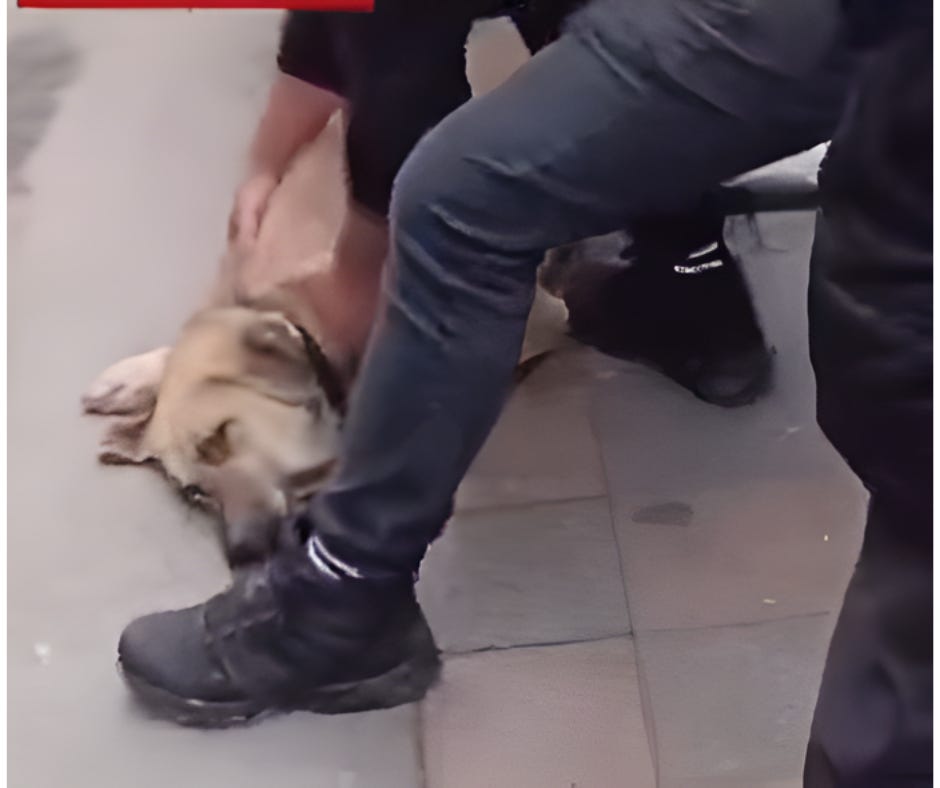
The Dog Was Wearing a Collar
Perhaps most troubling of all, the dog in question was wearing a collar — a clear sign it may have had an owner or caregiver. Before resorting to sedation and seizure, were any steps taken to trace the owner, scan for a microchip, or check local feeding volunteers who might have known the animal?
Removing a collared dog without attempting to locate its guardian is not only ethically questionable — it may also breach Turkey’s animal protection laws.
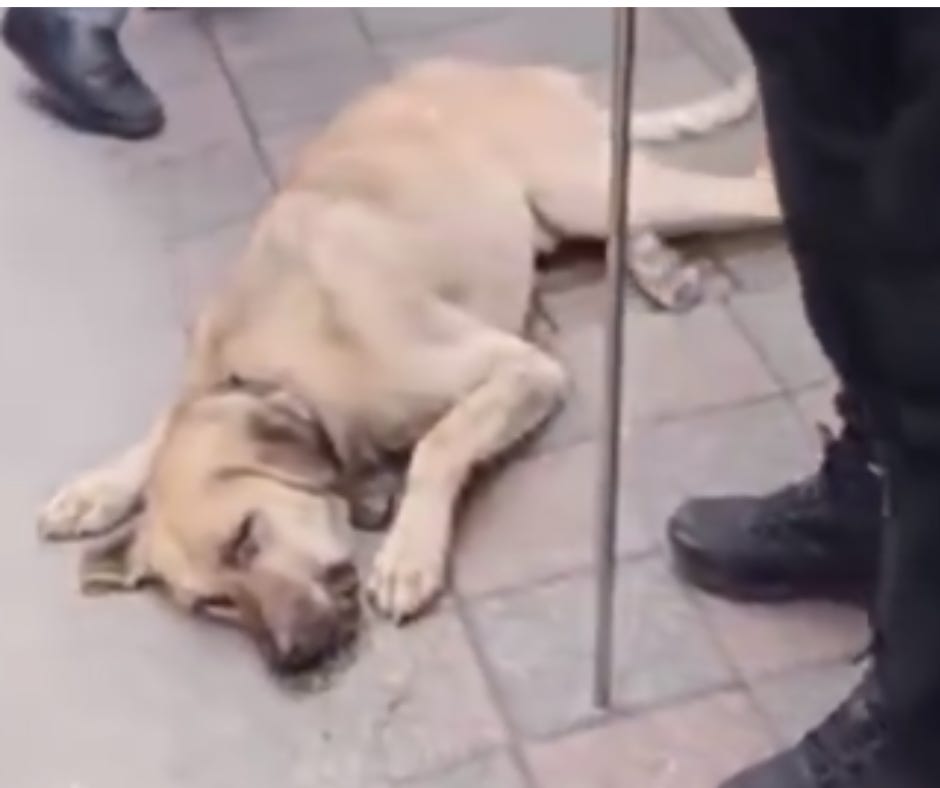
Rough Handling and Public Distress
The footage shows the dog being handled harshly and without care, treated more like a problem to be removed than a living being deserving of respect and compassion. Such behaviour is not only cruel but erodes public trust in the authorities tasked with animal welfare.
For citizens who love and feed these dogs daily, watching them dragged, injected, and loaded into trucks is deeply distressing. Every such incident chips away at the fragile relationship between the public and the municipalities that claim to protect these animals.
Accountability and Transparency Needed
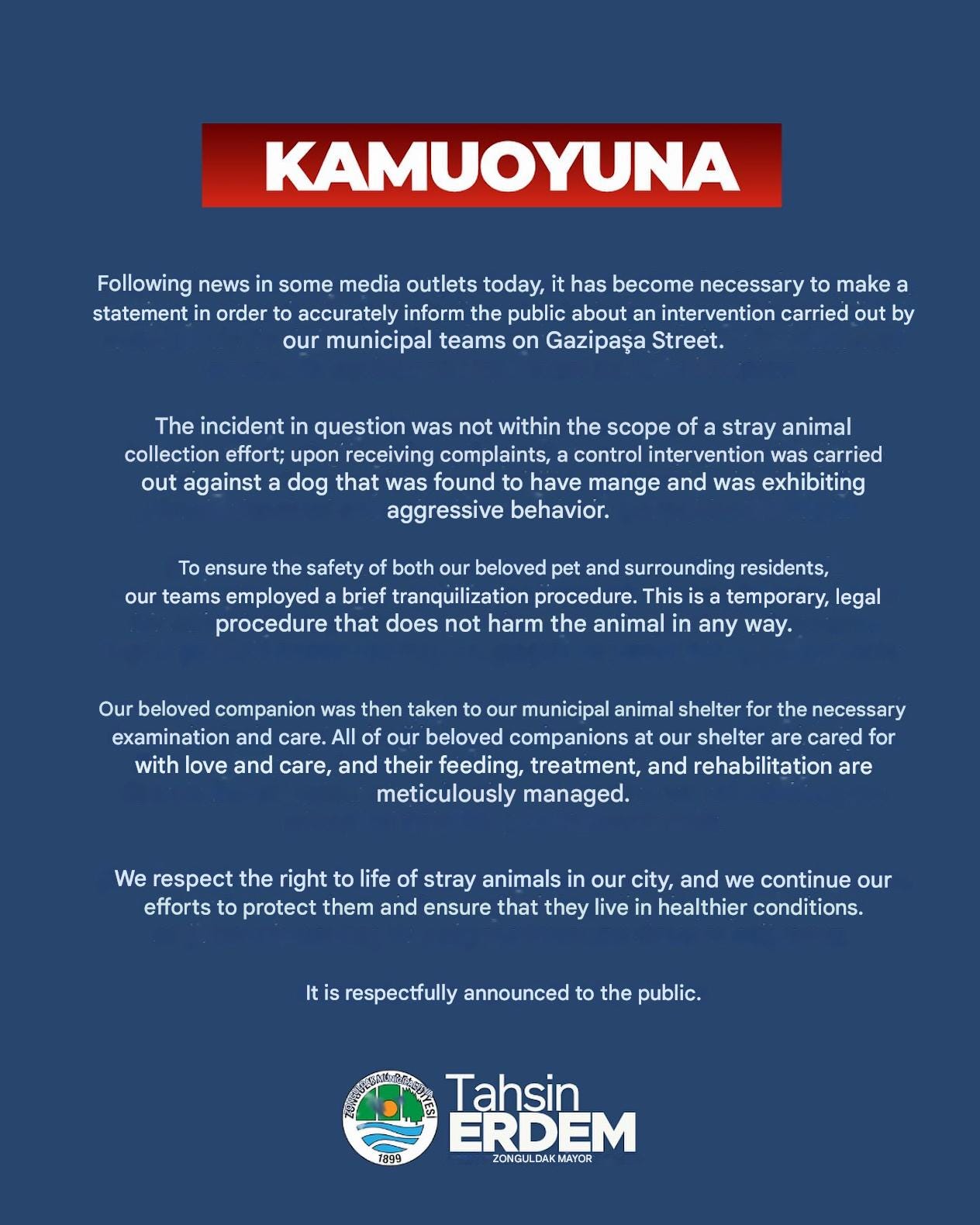
Mayor Tahsin Erdem has stated that the intervention was not a mass capture and that the dog was taken for examination and treatment despite there being other sedated dogs in the back of the van in which this dog was placed . But this explanation fails to address the wider issues:
Why is chemical restraint used so freely?
What training and oversight do municipal teams have?
Why was no attempt made to locate the owner of a collared dog?
What independent monitoring exists to ensure animal welfare during capture and transport?
Compassion Must Come First
Municipalities often justify these actions as necessary for public safety but public safety and compassion are not mutually exclusive. Humane capture methods, proper behavioural assessments, and close collaboration with local animal welfare groups can protect both people and animals without resorting to fear and force.
This incident in Zonguldak should serve as a wake-up call. The sight of a helpless dog being drugged and dragged should never be routine it should be a source of shame and urgent reform.
Every dog, whether owned or stray, has a right to be treated with dignity and care. If the municipality truly wishes to serve its citizens, it must begin by showing kindness and accountability toward the most vulnerable among them.